India's Semiconductor Push: Top 4 By 2032 And Best By 2035, Says Ashwini Vaishnaw


Union Electronics and IT Minister Ashwini Vaishnaw outlined India's ambitious semiconductor roadmap, targeting top-four global status by 2032 and best producer status by 2035. The government has approved significant investments including ₹41,863 crores for 22 ECMS projects and ₹1.60 lakh crores for 10 Semicon India Programme units. Four companies including Kaynes, CG Semi, Micron, and Tata will begin commercial production this year, with 298 universities now engaged in chip design activities providing a strong talent foundation.
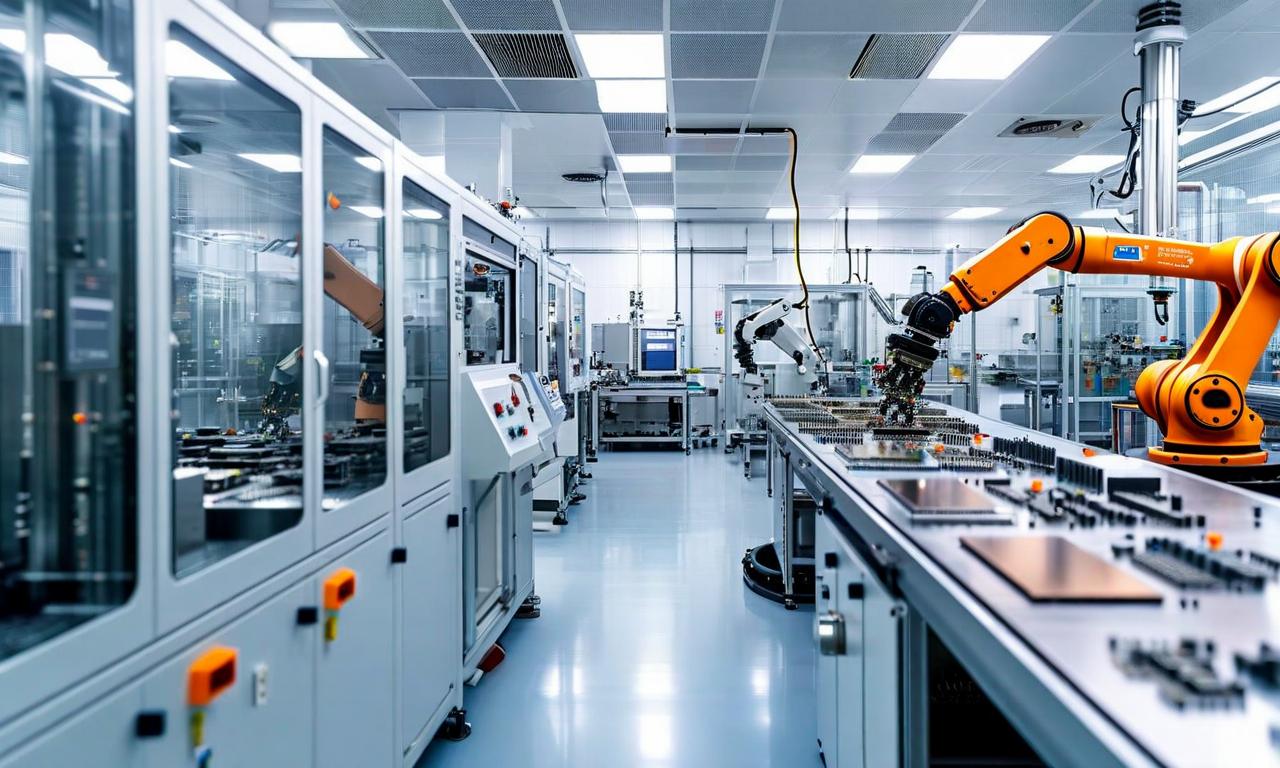
*this image is generated using AI for illustrative purposes only.
Union Electronics and IT Minister Ashwini Vaishnaw has announced ambitious targets for India's semiconductor industry, stating that the country will become the world's best chip producer by 2035. Speaking on the sidelines of an event on Friday, Vaishnaw outlined a roadmap that positions India among the top four semiconductor manufacturing nations by 2032. The minister emphasized that this trajectory is "clearly visible" and "can be clearly predicted" based on India's talent development focus.
Government Approvals and Investment Commitments
The government has made significant financial commitments to boost semiconductor manufacturing capabilities. Key approvals and investments include:
| Scheme: | Projects Approved | Investment Value |
|---|---|---|
| Electronics Components Manufacturing Scheme (ECMS): | 22 projects | ₹41,863.00 crores |
| Semicon India Programme: | 10 manufacturing units | ₹1.60 lakh crores |
| Design Linked Incentive (DLI): | 24 chip design projects | ₹920.00 crores |
The Semicon India Programme encompasses 2 fabrication units and 8 chip assembly, test and packaging projects, demonstrating a comprehensive approach to semiconductor manufacturing infrastructure.
Production Timeline and Key Players
Vaishnaw provided updated details about the production timeline for various semiconductor companies. The minister announced that four chip companies will start commercial production this year, with major automobile and telecom companies set to source semiconductors from these domestic manufacturers:
| Company: | Current Status | Commercial Production Timeline |
|---|---|---|
| Kaynes: | Pilot production started last year | This year |
| CG Semi: | Pilot production started last year | This year |
| Micron: | Recently started pilot production | Next month |
| Tata (Assam plant): | Pilot production by mid-year | End of this year |
The accelerated timeline reflects the rapid progress in India's semiconductor manufacturing capabilities, with companies that began pilot production last year now ready for commercial operations.
Educational Infrastructure and Talent Development
Vaishnaw highlighted India's significant advantage in talent development, citing the country's extensive educational infrastructure. He noted that 298 universities across India are now engaged in chip design activities where students can design, manufacture, and validate semiconductor products.
This educational capacity represents a substantial competitive advantage, as Vaishnaw mentioned that fewer than 20 universities worldwide, including those in the US, China, Japan, Taiwan, and South Korea, offer similar comprehensive chip design and validation capabilities. The minister attributed India's emerging leadership position to this focus on talent development and silicon technology.
Industry Leadership Prospects
The minister expressed confidence in India's trajectory toward semiconductor leadership, stating that industry stakeholders are already discussing India's emerging leadership position in the semiconductor segment. He emphasized that this leadership potential is driven by the government's strategic focus on developing talent in the semiconductor sector.
Vaishnaw's projections suggest a clear timeline for India's semiconductor ambitions: achieving top-four global status by 2032 and becoming the world's best semiconductor producer by 2035. These targets reflect the government's strategic commitment to establishing India as a major player in the global semiconductor supply chain, supported by substantial investments and a robust educational foundation.
 18
18