India's Energy Storage Capacity Set to Surge 10-Fold to 5GWh in 2026: IESA Report


India's battery energy storage sector is set for transformative growth in 2026, with capacity additions surging 10-fold from 507 MWh in 2025 to 5 GWh, driven by 60 GWh of projects entering implementation phase. The growth follows record 2025 tendering activity of 102 GWh across 69 tenders and dramatic tariff reductions, with standalone BESS rates dropping from ₹2.21 lakh/MW/month to ₹1.48 lakh/MW/month. Government support through ₹5,400 crore Viability Gap Funding and policy measures continues strengthening the sector foundation.
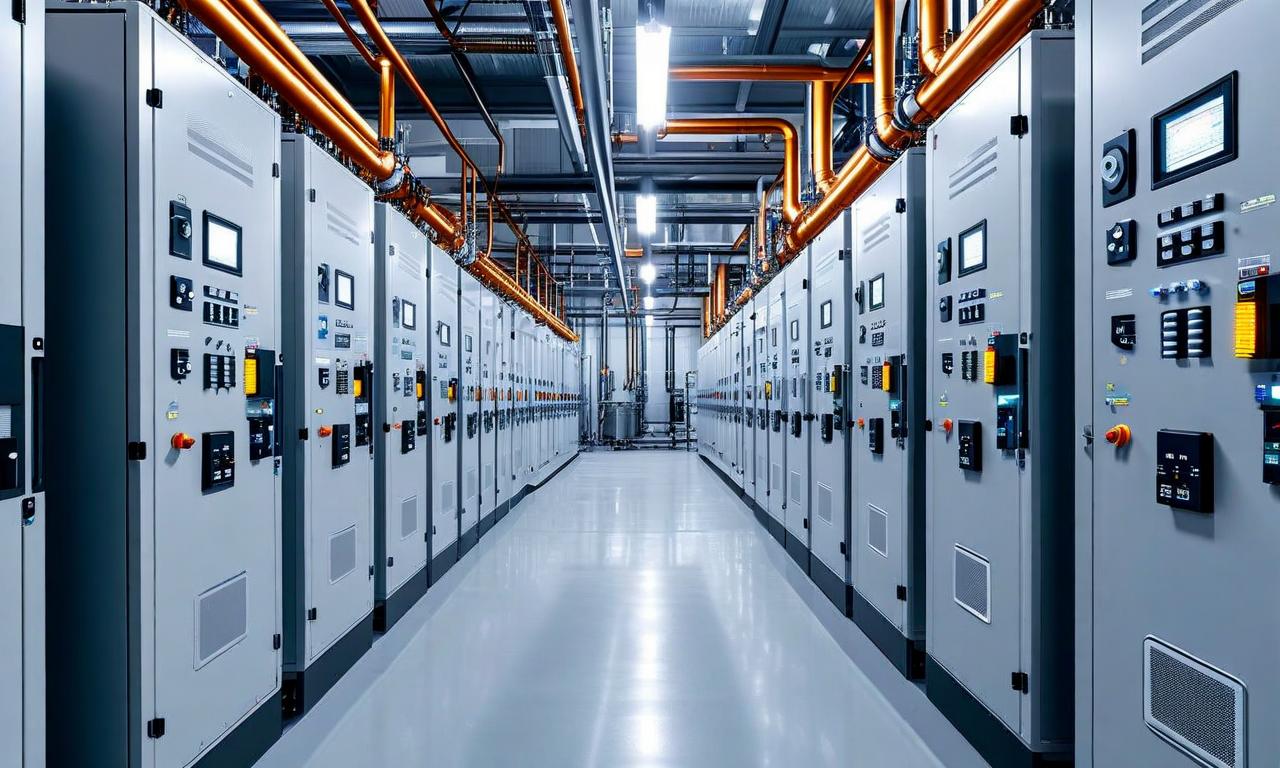
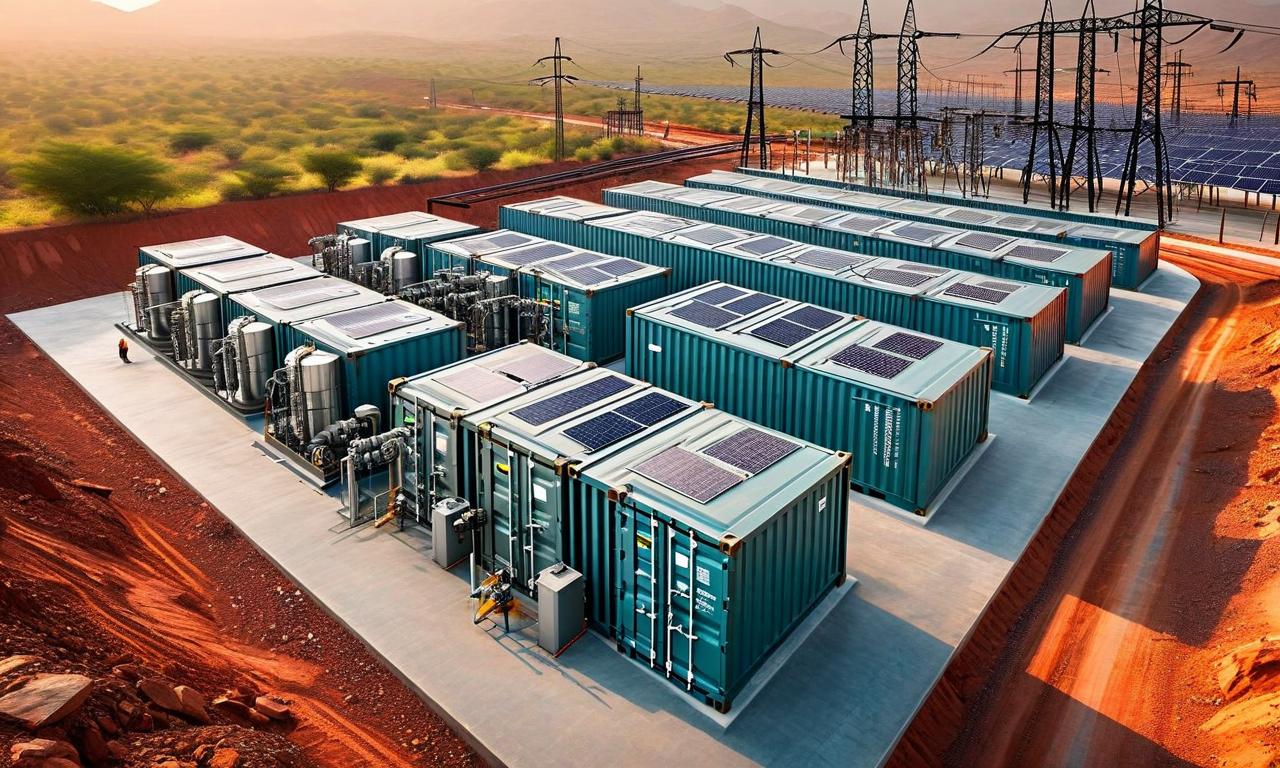
*this image is generated using AI for illustrative purposes only.
India's battery energy storage sector is preparing for unprecedented growth in 2026, with capacity additions expected to surge nearly 10-fold from 507 MWh in 2025 to approximately 5 GWh, according to a comprehensive study released by the India Energy Storage Alliance (IESA) on Tuesday, January 6. This dramatic expansion marks a critical transition as the industry moves from tendering activity to actual project execution and commissioning.
Record Tendering Activity Drives Future Growth
The foundation for 2026's explosive growth was laid in 2025, which witnessed unprecedented tendering activity across the energy storage sector. The year saw 69 tenders totalling 102 GWh capacity, nearly matching the combined volume of all tenders issued between 2018 and 2024. This surge in tendering activity has created a substantial project pipeline that will materialize into operational assets in 2026, following typical project timelines of 18-24 months.
| Key Metrics | 2025 | 2026 (Projected) | Growth |
|---|---|---|---|
| Capacity Addition | 507 MWh | 5 GWh | ~10x |
| Cumulative Capacity Under Execution | 224 GWh | - | +84% |
| Projects Entering Implementation | - | 60 GWh | - |
Tariff Collapse Reshapes Market Dynamics
Perhaps the most significant development of 2025 was the dramatic collapse in energy storage tariffs that stunned industry participants. Standalone 2-hour Battery Energy Storage System (BESS) tariffs plummeted from ₹2.21 lakh per MW per month in early 2025 to just ₹1.48 lakh per MW per month by year-end in APTRANSCO's tender. Similarly, solar-plus-4-hour-BESS projects experienced substantial tariff reductions, with rates falling to ₹2.70-2.76 per kWh.
| Tariff Comparison | Early 2025 | Year-end 2025 | Reduction |
|---|---|---|---|
| Standalone 2-hour BESS | ₹2.21 lakh/MW/month | ₹1.48 lakh/MW/month | 33% |
| Solar-plus-4-hour BESS | - | ₹2.70-2.76/kWh | - |
This tariff compression was driven by the entry of over 50 new bidders into the market, significantly intensifying competition and pushing prices to unprecedented lows.
Major Project Milestones and Market Tests
The year 2026 will serve as a crucial testing ground for the industry's operational capabilities. March 2026 represents a particularly significant milestone when Adani is scheduled to commission one of the world's largest single-location BESS projects, featuring 1,126 MW/3,530 MWh capacity in Gujarat. This project will serve as a benchmark for large-scale energy storage implementation in India.
Additionally, January brings Rajasthan's tender for India's largest solar-plus-BESS project at Pugal Solar Park, while the commercial and industrial market segment shows signs of rapid emergence following Juniper Green Energy's pioneering 60 MWh merchant BESS installation completed in December.
Government Support Strengthens Sector Foundation
The government has provided crucial backing to accelerate sector growth through multiple policy initiatives. The second tranche of Viability Gap Funding worth ₹5,400 crore has been allocated to support 30 GWh of standalone BESS projects, while mandating 20% domestic value addition requirements for VGF-supported projects. Furthermore, Interstate Transmission System charge waivers have been extended until 2028 for both pumped storage and solar-plus-BESS projects, reducing operational costs and improving project economics.
"The transition from tendering to execution in 2026 represents a watershed moment for India's energy storage sector," said Vinayak Walimbe, Managing Director of Customized Energy Solutions. IESA President Debmalya Sen emphasized that "all eyes will remain on whether the performance of these projects is in line with what was committed," highlighting that the next major challenge will be financing projects, especially those with low tariffs.
 15
15