NewsStocksIndia's Electricity Demand Expected to Rebound in CY26 After Monsoon-Dampened CY25: SBI CAPS
India's Electricity Demand Expected to Rebound in CY26 After Monsoon-Dampened CY25: SBI CAPS


SBI CAPS projects India's electricity demand to recover in CY26 after CY25 saw growth slow to 1% due to extended monsoons and reduced cooling demand. The report expects favorable base effects and weather normalization to drive recovery, supported by emerging sectors like data centers and EVs. Solar capacity additions remained strong at 40 GW in CY25, though utilization rates declined due to operational challenges.
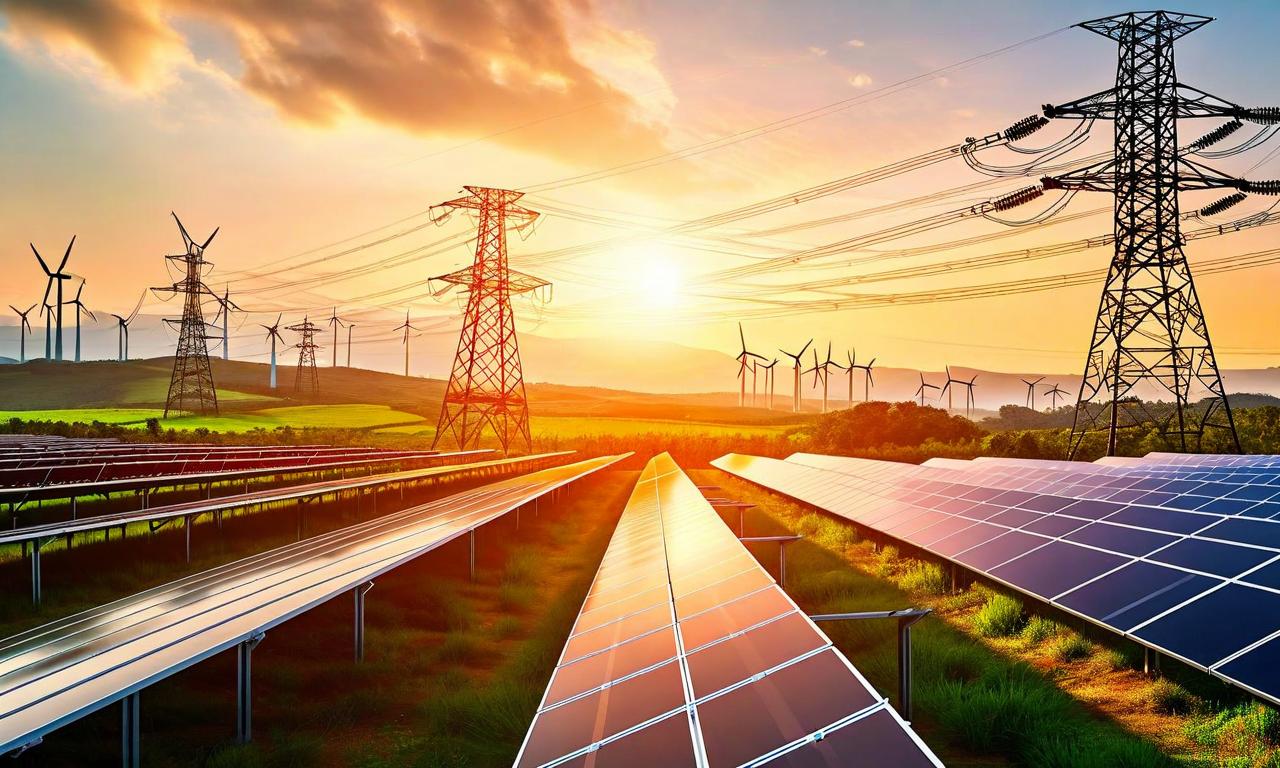
*this image is generated using AI for illustrative purposes only.
India's electricity consumption is set for a recovery in calendar year 2026 after experiencing a subdued CY25, weighed down by extended monsoons and reduced cooling demand, according to a comprehensive analysis by SBI CAPS. The report highlights how weather patterns significantly impacted power demand growth, which decelerated sharply to just 1% year-on-year in CY25 compared to robust 5% growth recorded in CY24.
Weather Impact Dampens Demand Growth
The primary driver behind the slowdown was extended and above-normal monsoons that moderated temperatures across much of the year. This weather pattern curtailed cooling demand in northern regions while broadly depressing industrial and agricultural electricity usage. The report noted that middling exports of power-intensive goods also contributed to the demand decline, alongside base effects that further dampened growth metrics.
| Parameter | CY25 | CY24 | Impact |
|---|---|---|---|
| Electricity Demand Growth | 1% YoY | 5% YoY | Sharp deceleration |
| Three-year CAGR | 4.70% | - | Marginally below long-term averages |
| Energy Supply Growth | 1% YoY | 5% YoY | Matched demand trends |
Despite the challenging year, the three-year compound annual growth rate stood at 4.70%, only marginally below long-term averages, suggesting CY25 represented a year of consolidation rather than structural decline.
Recovery Outlook for CY26
SBI CAPS expects electricity demand to recover in CY26, supported by several favorable factors. The brokerage pointed out that India has experienced two consecutive years of above-long period average southwest monsoon rainfall, with a third such year being historically rare over the past two decades. Any normalization in weather conditions could lift temperatures and revive cooling-related power consumption.
Additional demand drivers expected to support recovery include:
- Proposed GST cuts that may boost consumer durables penetration
- Rapidly scaling new demand sources such as data centers, electric vehicles, and green hydrogen
- Fast-paced expansion of formal office space supporting commercial electricity demand
- Return to office trends that have already restored domestic consumption to pre-pandemic share levels
Solar Capacity Expansion Amid Operational Challenges
On the supply side, solar capacity additions remained robust despite demand headwinds. The report highlighted that approximately 40 GW of solar capacity is expected to be added in CY25, representing a record achievement driven by both utility-scale projects and accelerated rooftop installations under the PM-SGMBY scheme.
| Solar Metrics | CY25 (11 months) | CY22 Peak | Trend |
|---|---|---|---|
| Capacity Utilization Factor | 16.50% | 19.20% | Declining |
| Expected Capacity Addition | ~40 GW | - | Record high |
However, effective solar generation faced operational challenges. The capacity utilization factor of solar plants declined to 16.50% in the first 11 months of CY25, down from a peak of 19.20% in CY22. Overcast conditions during the extended monsoon period reduced solar irradiation and led to curtailment of solar power during daytime peak generation, particularly affecting resource-rich western regions.
Storage Infrastructure and Implementation Hurdles
The report identified significant renewable energy capacities remaining stuck due to operational bottlenecks, including land acquisition issues, unsigned power purchase agreements, equipment transport challenges for wind projects, and delays in transmission clearances. Addressing these issues will be critical for improving solar capacity utilization factors in CY26.
Regarding energy storage, while tendering activity has created a healthy pipeline aligned with grid requirements, very little battery energy storage system capacity is currently operational. About 27 GWh of energy storage capacity, with nearly 10 GW still awaiting tariff approval, remains pending. The report noted a positive development in the reduced cancellation rate of recent storage tenders, with major storage capacities expected to come online in CY26.
Post-Pandemic Consumption Pattern Normalization
SBI CAPS highlighted how electricity consumption patterns have evolved since the pandemic. During COVID-19, domestic consumption gained share as work-from-home increased, while industrial consumption declined with small industries experiencing a 9% year-on-year decline in FY21. Commercial consumption fell sharply by 18% in FY21 due to lockdowns but recovered quickly in subsequent years. By FY24, electricity consumption shares had largely reverted to pre-pandemic FY19 levels, indicating structural normalization in demand patterns.
 20
20