NewsStocksIndia On Track For 500 GW Non-Fossil Power By 2030, Data Centres May Drive Overshoot: MNRE Secretary
India On Track For 500 GW Non-Fossil Power By 2030, Data Centres May Drive Overshoot: MNRE Secretary


India is well-positioned to achieve its 500 GW non-fossil fuel capacity target by 2030, with 260 GW already operational and a clear roadmap for the remaining 240 GW through solar (160 GW) and wind (30 GW) projects. Data centres and decarbonising industries may drive capacity beyond targets, while the country's solar manufacturing capacity of 122 GW is set to reach 150 GW by June 2026, maintaining its position as the world's second-largest after China.
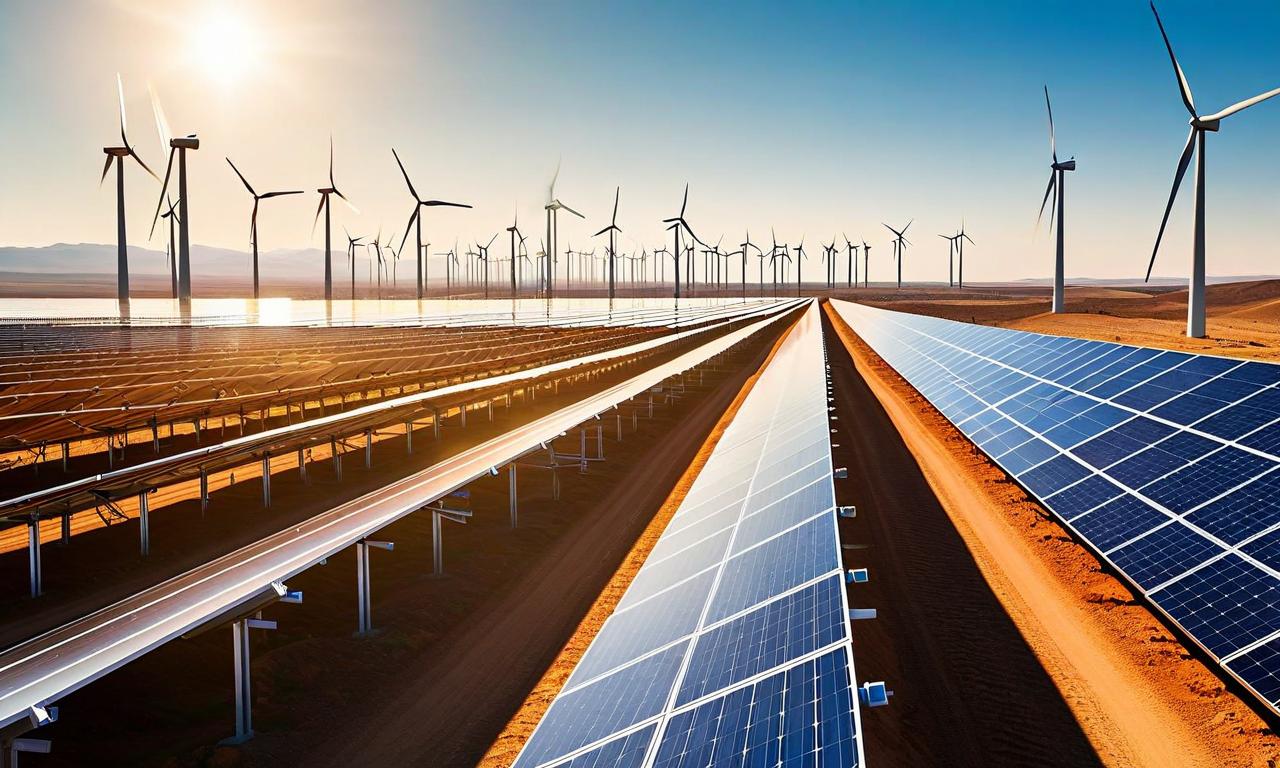
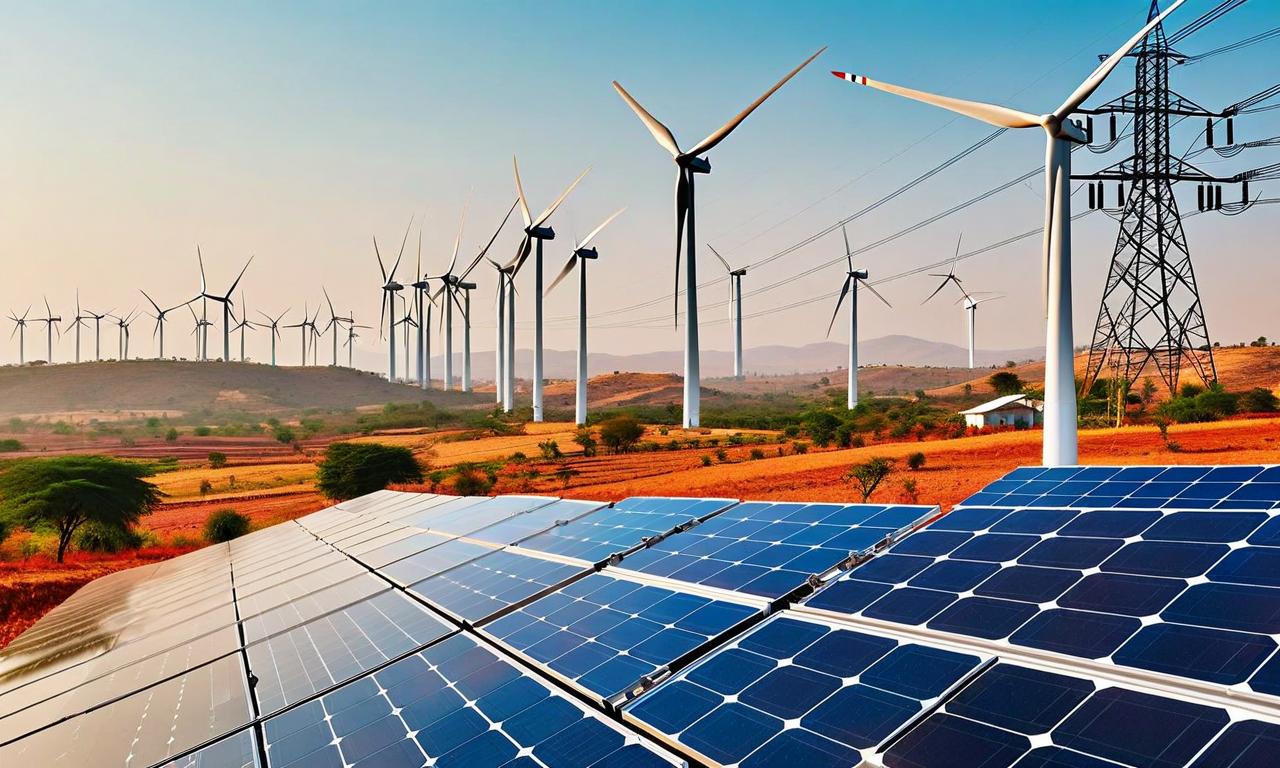
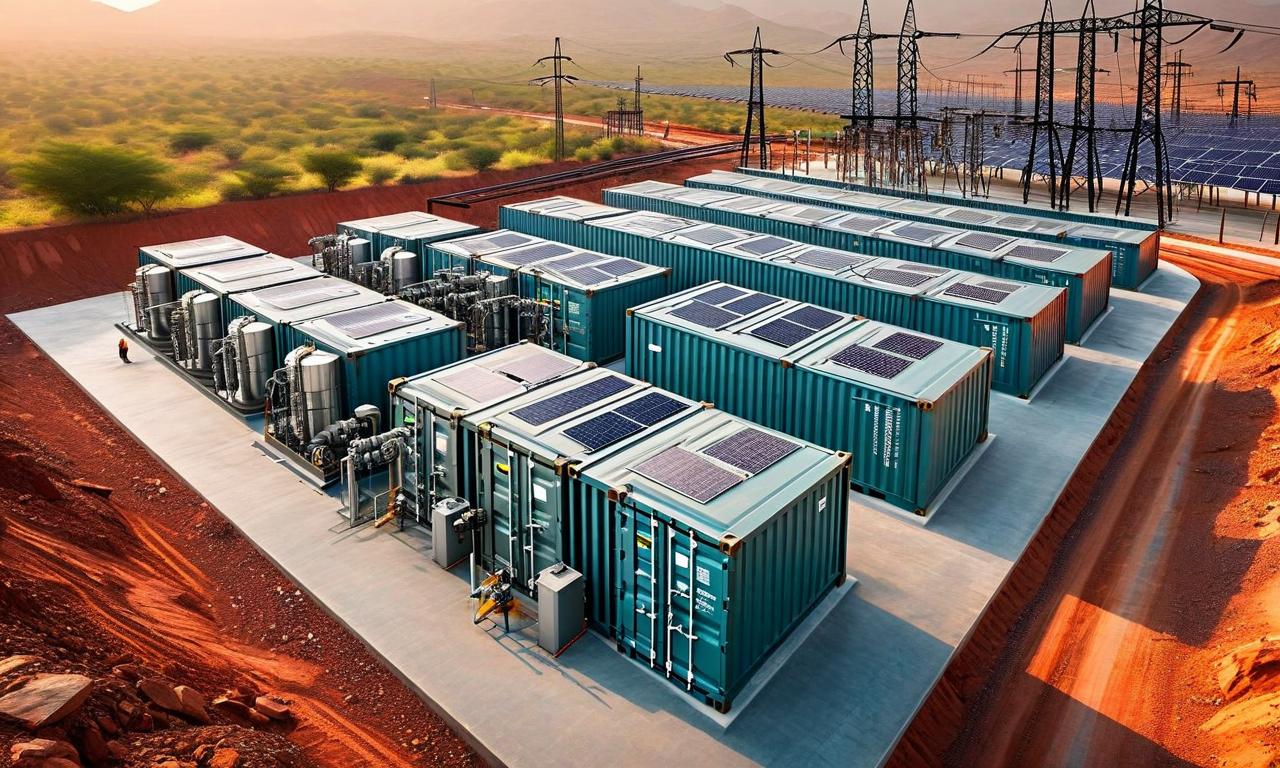
*this image is generated using AI for illustrative purposes only.
India is firmly positioned to achieve its ambitious 500-gigawatt non-fossil fuel capacity target by 2030, with a robust pipeline of renewable energy projects already under development, according to Ministry of New and Renewable Energy Secretary Santosh Sarangi. The country's commitment to clean energy transition appears well-supported by concrete project plans and manufacturing capabilities.
Current Status and Capacity Breakdown
India currently operates approximately 260 GW of non-fossil fuel capacity, requiring an additional 240 GW to meet the 2030 target. The capacity expansion plan demonstrates a clear strategic focus on solar and wind technologies.
| Energy Source | Planned Capacity Addition |
|---|---|
| Solar Power | 160 GW |
| Wind Energy | 30 GW |
| Nuclear Power | 8-10 GW |
| Hydro Projects | Additional capacity through small and large projects |
Data Centres Driving Demand Beyond Targets
Sarangi highlighted the potential for overshooting the 500 GW target, driven primarily by rising electricity demand from data centres and carbon-intensive industries pursuing decarbonisation. Global climate commitments, including stricter carbon border measures, are expected to accelerate renewable energy deployment across sectors such as steel, aluminium, and cement.
Data centres will initially rely on solar and wind power combined with battery storage systems, as nuclear power projects require longer development periods of five to seven years due to regulatory approvals, fuel sourcing, and reactor testing requirements.
Energy Storage and Battery Capacity
India's energy storage infrastructure is set for significant expansion to support renewable energy integration. The Central Electricity Authority projects the installation of 41 GW of battery storage capacity by 2030.
| Storage Parameter | Capacity/Timeline |
|---|---|
| Projected Battery Storage by 2030 | 41 GW |
| Expected Installation (Next 12-18 months) | 43 GWh |
| Supporting Ministry | Ministry of Power |
Green Hydrogen Mission Progress
The National Green Hydrogen Mission has achieved notable milestones, with India discovering the world's lowest prices for green ammonia through recent tenders for fertiliser plants. These developments cover nearly one-third of earlier ammonia imports, demonstrating significant import substitution potential.
Projects by companies including L&T, Greenko, and ACME, featuring export-linked offtake agreements, signal strong global competitiveness. Supply deliveries are expected to commence from 2028-29, positioning India as a competitive player in the global green hydrogen market.
Manufacturing Capacity and Global Position
India's solar manufacturing sector continues its rapid expansion, reinforcing the country's position in global renewable energy supply chains.
| Manufacturing Metric | Current Status | June 2026 Target |
|---|---|---|
| Solar Module Capacity | 122 GW | 150 GW |
| Global Ranking | Second-largest after China | Maintained position |
| Solar Cell Manufacturing | 27 GW | 65 GW |
The expansion is supported by comprehensive policy measures beyond production-linked incentives, including import duties, approved manufacturer lists, and domestic content norms.
Addressing Implementation Challenges
To accelerate project implementation, MNRE is collaborating with states to streamline land acquisition and right-of-way clearances. Karnataka's initiative to allow deemed land-use conversion for renewable projects serves as a model for other states to adopt similar measures, potentially reducing project delays and expediting capacity additions.
 17
17