NewsStocksIndia Could Face Headwinds from Known and Unknown Sources Despite Weathering Global Storms: Shaktikanta Das
India Could Face Headwinds from Known and Unknown Sources Despite Weathering Global Storms: Shaktikanta Das


Shaktikanta Das warns that India faces potential headwinds from known and unknown sources despite successfully weathering global storms since 2020. He highlights geo-economic fragmentation, supply chain disruptions, and the weaponisation of critical sectors like semiconductors and energy as key challenges. Despite these concerns, Das emphasizes India's resilient economy and its expected status as the world's fastest-growing major economy.
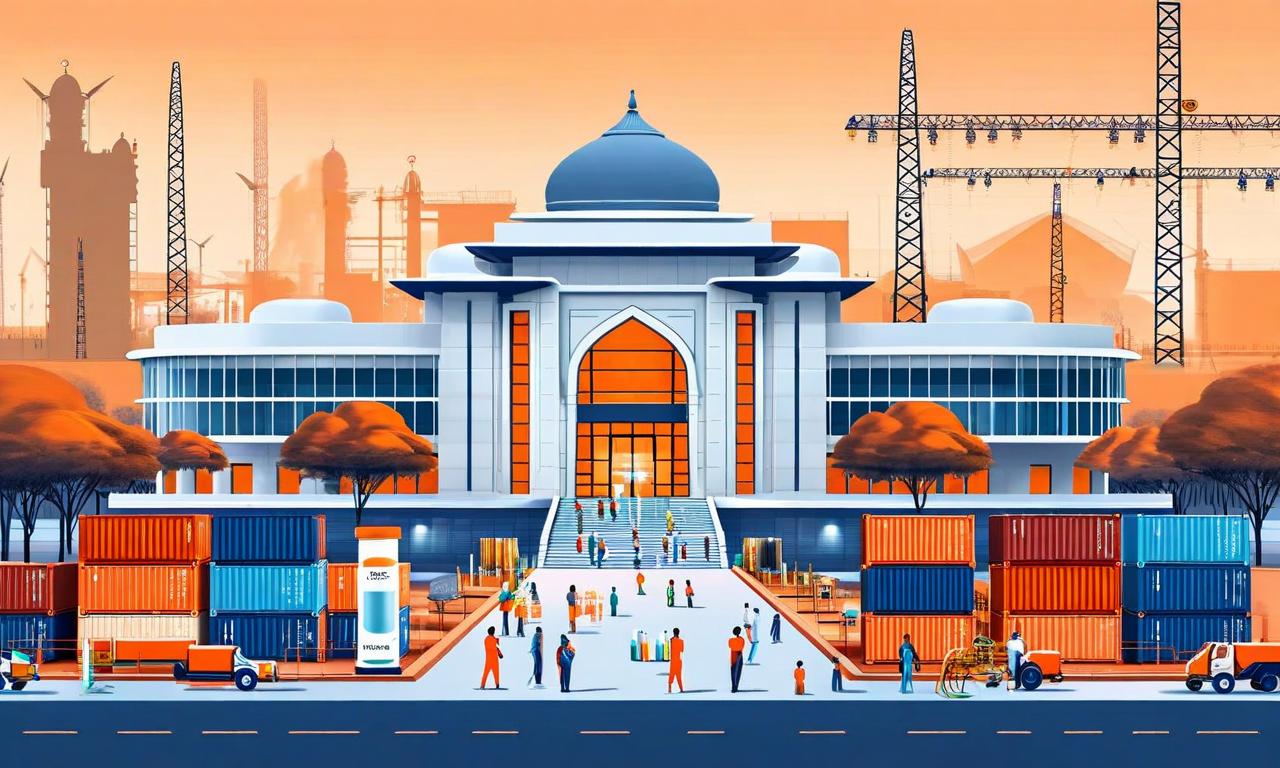
*this image is generated using AI for illustrative purposes only.
Principal Secretary-2 to the Prime Minister Shaktikanta Das has cautioned that India could face headwinds and challenges emanating from "known and unknown sources," even as the country has successfully navigated what he described as perfect storms caused by multiple global shocks since 2020. Speaking about India's trajectory, Das emphasized that the nation stands at the cusp of a historic journey from being an "incredible India" to a "credible India."
India's Resilience Amid Global Challenges
Das highlighted India's remarkable ability to weather the perfect storms that emerged from multiple global shocks since the COVID-19 year of 2020. He noted that with the policies adopted by the country, "the wind is in our sails" and India is "indeed on our path to Viksit Bharat." The country has maintained what Das described as a "rock-solid commitment to macroeconomic and financial sector stability" for over a decade, despite facing overlapping global challenges.
| Challenge Category: | Impact Areas |
|---|---|
| Global Shocks: | COVID-19 pandemic, Ukraine conflicts, other flashpoints |
| Economic Disruptions: | High inflation, high public debt, low growth |
| Policy Response: | Synchronised monetary tightening globally |
| India's Position: | Expected fastest-growing major economy |
Geo-Economic Fragmentation and Supply Chain Disruptions
Das pointed to significant changes in global trade dynamics, noting that trade and supply chains, once viewed as neutral conduits of globalisation, are increasingly being used as "instrumentalities of disruption and dominance." He identified several concerning trends that are fragmenting global networks:
- Reshoring and friend-shoring of supply chains
- Prioritisation of strategic alliances over global integration
- Restricted technology flows
- Barriers to labour mobility
- Uncertainty around global public goods
Critical Sectors as Tools of Influence
According to Das, critical sectors are now being leveraged as tools of influence, exposing vulnerabilities particularly in dependent economies. He specifically mentioned several key sectors that have become instruments of geopolitical influence:
| Sector: | Strategic Importance |
|---|---|
| Semiconductors: | Technology infrastructure and manufacturing |
| Rare Earths: | Essential materials for modern technology |
| Energy: | Power generation and industrial operations |
| Pharmaceuticals: | Healthcare security and public health |
India's Strategic Response
Recognising these global realities, Das outlined India's clear stance in the changing world order. He emphasized that India stands for a cooperative and rules-based global system while simultaneously taking proactive measures to secure national interests. "India stands for a cooperative and rules-based global system; but at the same time, we are proactively forging partnerships and strategies to secure our national interest in a world where power is more diffused," Das stated.
Despite the challenges posed by geo-economic fragmentation and global uncertainties, Das remained optimistic about India's economic prospects. He noted that the Indian economy remains resilient and is expected to maintain its position as the fastest-growing major economy in the world, demonstrating the country's ability to adapt and thrive in an increasingly complex global environment.
 16
16