
 NewsCement Sector Shows Mixed Q3 Performance With Strong Volume Growth Offsetting Price Pressures
Cement Sector Shows Mixed Q3 Performance With Strong Volume Growth Offsetting Price Pressures


The cement sector shows contrasting Q3 trends with pricing pressures causing 2% sequential decline and expected EBITDA drop of ₹75-125 per tonne due to GST rebate cuts and rising petcoke costs. However, robust volume growth exceeding 9% and early Q4 price increases of ₹25-40 across regions provide optimism, while long-term consolidation and structural improvements support positive outlook.

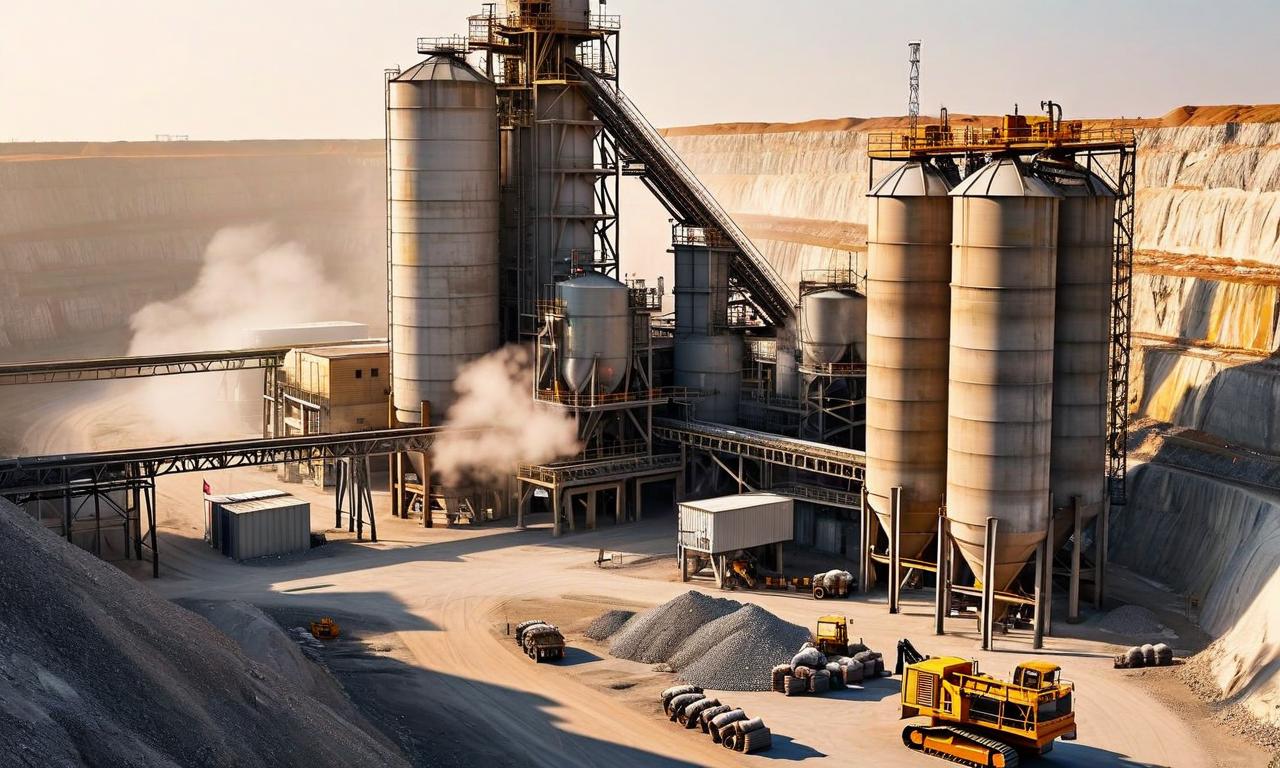

*this image is generated using AI for illustrative purposes only.
The Indian cement sector presents a mixed performance picture for the third quarter, with pricing pressures weighing on profitability while strong volume growth and early signs of recovery provide optimism for the fourth quarter. Multiple analysts highlight both near-term challenges and positive structural trends shaping the industry outlook.
Q3 Performance: Pricing Pressures Impact Margins
Cement prices declined during the December quarter, with realisations falling by approximately 2% sequentially across the coverage universe, according to Jyoti Gupta from Nirmal Bang Institutional. The pricing pressure was compounded by multiple cost headwinds, including a 10% reduction in state GST rebates and a sharp 24% increase in petcoke prices.
| Q3 Performance Metrics: | Details |
|---|---|
| Price Decline: | ~2% sequentially |
| GST Rebate Cut: | 10% reduction |
| Petcoke Price Rise: | 24% increase |
| Coal Price Drop: | 22% decline |
| Expected EBITDA Impact: | ₹75-125 per tonne decline |
While coal prices provided some relief with a 22% decline, the benefit was limited as coal represents only about 35% of overall fuel consumption at the pan-India level. These factors are expected to result in EBITDA per tonne declining by ₹75-125 sequentially, depending on individual company fuel mix.
Volume Growth Remains Robust
Despite pricing challenges, volume performance has been encouraging throughout the quarter. Goldman Sachs noted that volume trends improved progressively, with what "started off as a weak October picked up at the margin in November and December volumes have turned out to be really strong."
Gupta highlighted consistent volume growth momentum, with cement demand growing around 11% in Q1, 7.4% in Q2, and likely over 9% in Q3. For Q4, traditionally a seasonally strong quarter, expectations point to 8-9% growth driven by robust construction activity.
| Volume Growth Trajectory: | Growth Rate |
|---|---|
| Q1 Performance: | ~11% |
| Q2 Performance: | 7.4% |
| Q3 Expected: | >9% |
| Q4 Forecast: | 8-9% |
Early Q4 Recovery Signals
Price increases have begun emerging in the March quarter, particularly in non-trade segments. Gupta reported price hikes of ₹25-40 across regions, with the south seeing increases of ₹30-35 and northern regions experiencing similar improvements. However, trade prices may take longer to reflect these increases, with clarity expected only after deeper market penetration.
Goldman Sachs anticipates meaningful improvement in Q4, with companies likely attempting price increases early in the period. The volume momentum is expected to continue through the end of the fourth quarter, though renewed focus on volume pushing toward year-end could again pressure prices.
Long-Term Structural Improvements
Looking beyond immediate quarters, Goldman Sachs projects significant improvements in sector profitability, forecasting an improvement of ₹200-250 per tonne in EBITDA by fiscal year 2026. This projection is based on favorable low base effects and robust demand expectations, with growth anticipated at 7-8% CAGR over the next couple of years.
| Long-term Outlook: | Projections |
|---|---|
| EBITDA Improvement: | ₹200-250 per tonne by FY26 |
| Demand Growth CAGR: | 7-8% over next 2 years |
| Industry Trend: | Consolidation favoring large players |
| Cost Optimization: | Green power, logistics efficiency |
The sector benefits from ongoing consolidation, with larger players like UltraTech, Ambuja, and JK Cement leading volume growth and market share gains. UltraTech is expected to remain the industry anchor with volumes likely exceeding 35 million tonnes for the quarter, while ACC and Ambuja show strong momentum post-integration.
Regional Dynamics and Investment Preferences
Analysts maintain differentiated regional preferences based on supply-demand dynamics. Goldman Sachs remains cautious on North India due to heavy upcoming capacity additions, while maintaining constructive outlooks on West and South regions where demand drivers appear more balanced.
Gupta's stock preferences include Ambuja Cement among large caps, Ramco Cement in midcaps, and Nuvoco in small-cap space. Infrastructure demand continues as a key driver, with defense-related capex and complex infrastructure projects increasingly contributing to cement consumption, particularly in southern and northern regions.
 16
16






 Access 50+ Readymade Screeners
  Use 200+ Custom Filters
  Get Full Market Insights





