

EV Insurance Costs Rise as Complex Repairs and Climate Risks Reshape Coverage Models


India's growing EV market is forcing insurers to reshape coverage models due to rising repair costs from complex, software-driven vehicles requiring specialized diagnostics and parts. Roadside assistance is evolving from simple towing to AI-powered diagnostics and mobile charging solutions. Climate risks create unique EV challenges through power outages and charging disruptions rather than direct vehicle damage. Insurers are introducing EV-specific add-ons and higher premiums while moving towards predictive models for better risk management.

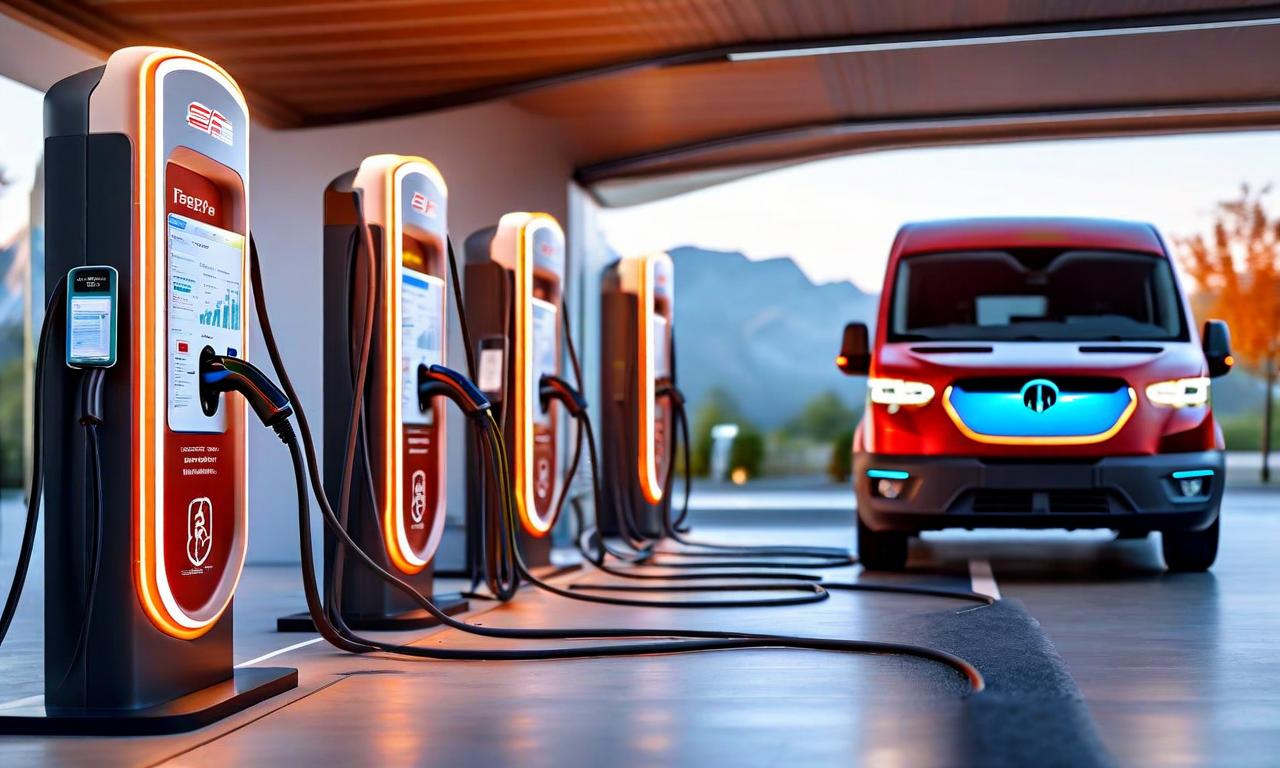

*this image is generated using AI for illustrative purposes only.
India's electric vehicle market expansion is driving fundamental changes in how insurers and roadside assistance providers approach coverage, pricing, and risk management. The transition to technology-driven vehicles has introduced new complexities that are reshaping traditional insurance models and forcing industry adaptation.
Rising Repair Complexity Drives Higher Claims Costs
The shift towards software and electronics-driven EVs has created significant changes in claim patterns and repair costs. Charu Kaushal, Managing Director at Allianz Partners India, explains that even minor EV issues now require specialized diagnostics and certified handling, resulting in increased repair costs and claim severity.
"Vehicles today are far more technology-led, which means early intervention and expert handling have become critical," Kaushal noted, emphasizing that EV repairs currently tend to be more expensive due to specialized parts and OEM-linked processes.
Sameer Samdani, Director at the Insurance Brokers Association of India (IBAI), highlighted how advanced technologies are impacting the insurance landscape:
| Technology Impact: | Details |
|---|---|
| Advanced Systems: | Driver assistance systems (ADAS), connected vehicle technologies |
| Technical Components: | Telematics, high-voltage electrical architectures |
| Repair Requirements: | Specialized sensors, electronics, trained manpower |
| Cost Mitigation: | OEM localization, modular repairs, repair-over-replacement strategies |
Roadside Assistance Evolution
Roadside assistance models are undergoing structural transformation to accommodate EV-specific requirements. The traditional approach of simple towing is being replaced by more sophisticated, technology-driven interventions.
Kaushal described how EV support is evolving beyond conventional methods: "At Allianz Partners India, the focus is on early issue resolution using AI-powered diagnostics and trained technicians, which helps reduce downtime and deliver more predictable outcomes for customers."
The new RSA approach includes:
- Diagnostics-led assistance
- Mobile charging solutions
- On-site resolution by EV-trained professionals
- Flatbed towing with specialized tools
Samdani acknowledged that while these enhanced services improve reliability and safety, they come with higher operating costs compared to traditional internal combustion engine vehicle assistance.
Climate Risks Create New Challenges
Extreme weather events are emerging as a critical factor influencing assistance demand patterns. The impact differs significantly between conventional vehicles and EVs, requiring tailored response strategies.
Kaushal explained that conventional vehicles often experience higher failure rates during floods and heavy rains due to engine damage and electrical faults, while EVs are generally designed to be water-resistant. However, EV challenges during extreme weather are more ecosystem-driven.
"EV challenges during extreme weather are more ecosystem-driven," she said, pointing to power outages, charging disruptions, and connectivity issues that increase assistance requests even when vehicles remain technically functional.
This has prompted several adaptive measures:
- Proactive resource deployment in high-risk zones
- Enhanced call-center capabilities
- Collaboration with solution providers for climate-related disruptions
Insurance Product and Pricing Adjustments
Insurers are refining their product offerings and underwriting models to address EV-specific risks. The industry is introducing specialized coverage options that reflect the unique characteristics and higher replacement costs of EV components.
| Coverage Adaptations: | Description |
|---|---|
| EV-Specific Add-ons: | Battery and charger protection covers |
| Range Solutions: | Range anxiety coverage options |
| Premium Structure: | Higher base premiums with differentiated pricing |
| Risk Assessment: | Technology-based underwriting models |
Samdani noted that EVs generally attract higher base premiums, with differentiated pricing based on vehicle technology and insurer risk assessment, adding incremental costs for customers.
Kaushal expressed optimism about future cost trends: "As more affordable EV models enter the market and repair options expand, we expect greater cost rationalization." The premium and cost gap between EVs and internal combustion engine vehicles is expected to narrow as adoption increases and repair ecosystems mature.
Industry Shift Towards Predictive Models
Both industry experts emphasized the sector's movement from reactive recovery approaches to predictive and preventive models. This transformation involves implementing advanced planning and communication strategies to minimize breakdowns and improve response times.
Key predictive strategies include:
- Predictive planning for maintenance and repairs
- Geofencing of high-risk areas
- Proactive customer communication
- Faster assistance deployment
As EV adoption accelerates and infrastructure scales up, insurers and assistance providers expect greater standardization, improved turnaround times, and more predictable costs. This evolution is laying the groundwork for a more resilient insurance and roadside assistance framework specifically designed for India's electric mobility transition.
 16
16






 Access 50+ Readymade Screeners
  Use 200+ Custom Filters
  Get Full Market Insights





