
 NewsDixon Technologies Stock Under Pressure from Rising Memory Chip Costs and Regulatory Challenges
Dixon Technologies Stock Under Pressure from Rising Memory Chip Costs and Regulatory Challenges


Dixon Technologies faces multiple challenges as India's largest Android handset maker, with stock hitting 52-week lows amid rising memory chip costs, regulatory delays, and PLI scheme concerns. Memory prices could rise 30% by April 2026, affecting budget smartphone demand and forcing volume projections down from 40 million to 37-37.5 million units for FY26. The company is investing in component manufacturing including display modules, camera modules, and batteries to mitigate impacts from the ending PLI scheme that contributed 60 basis points to margins.

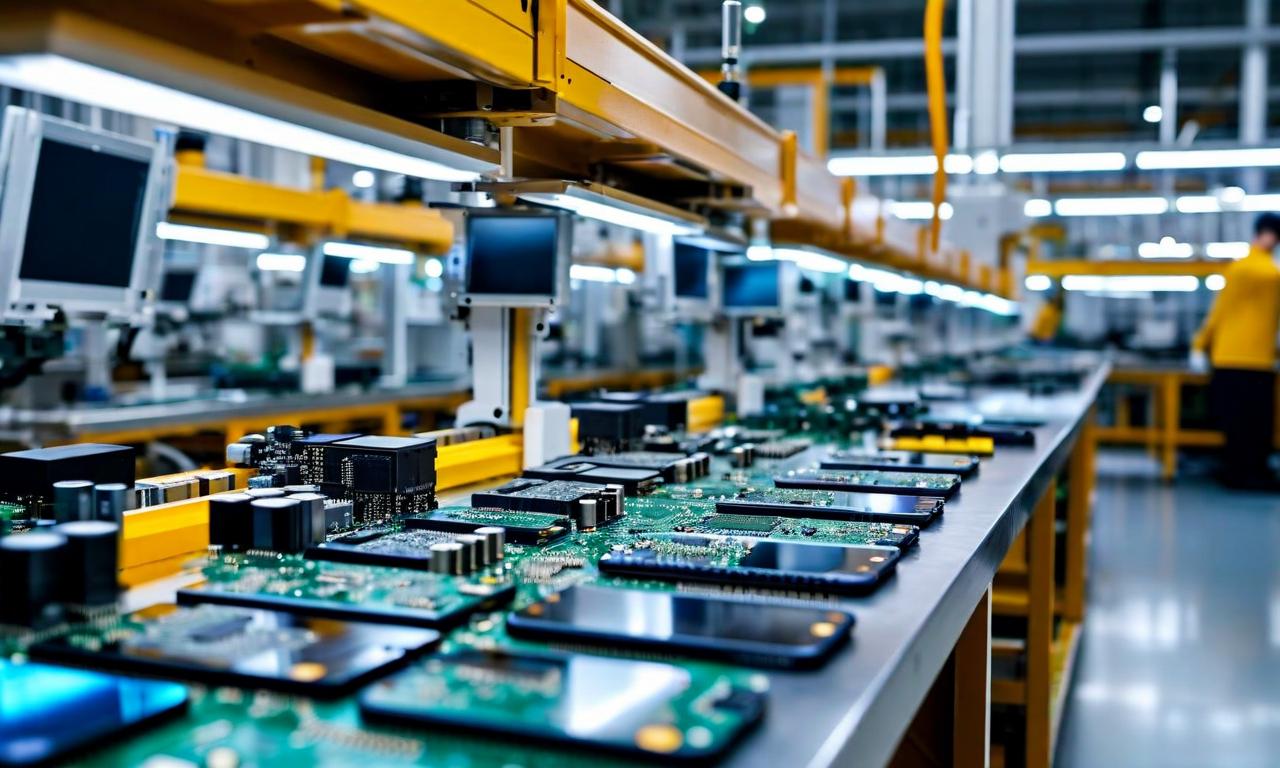

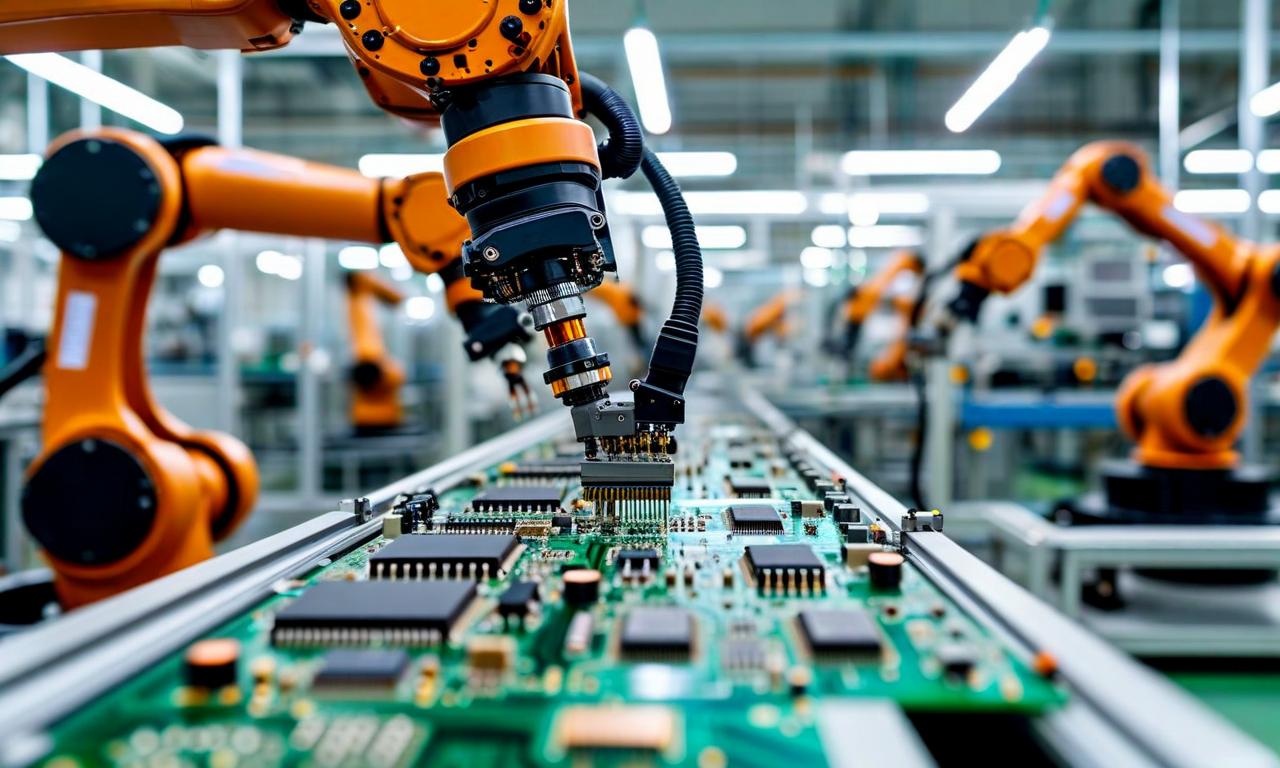
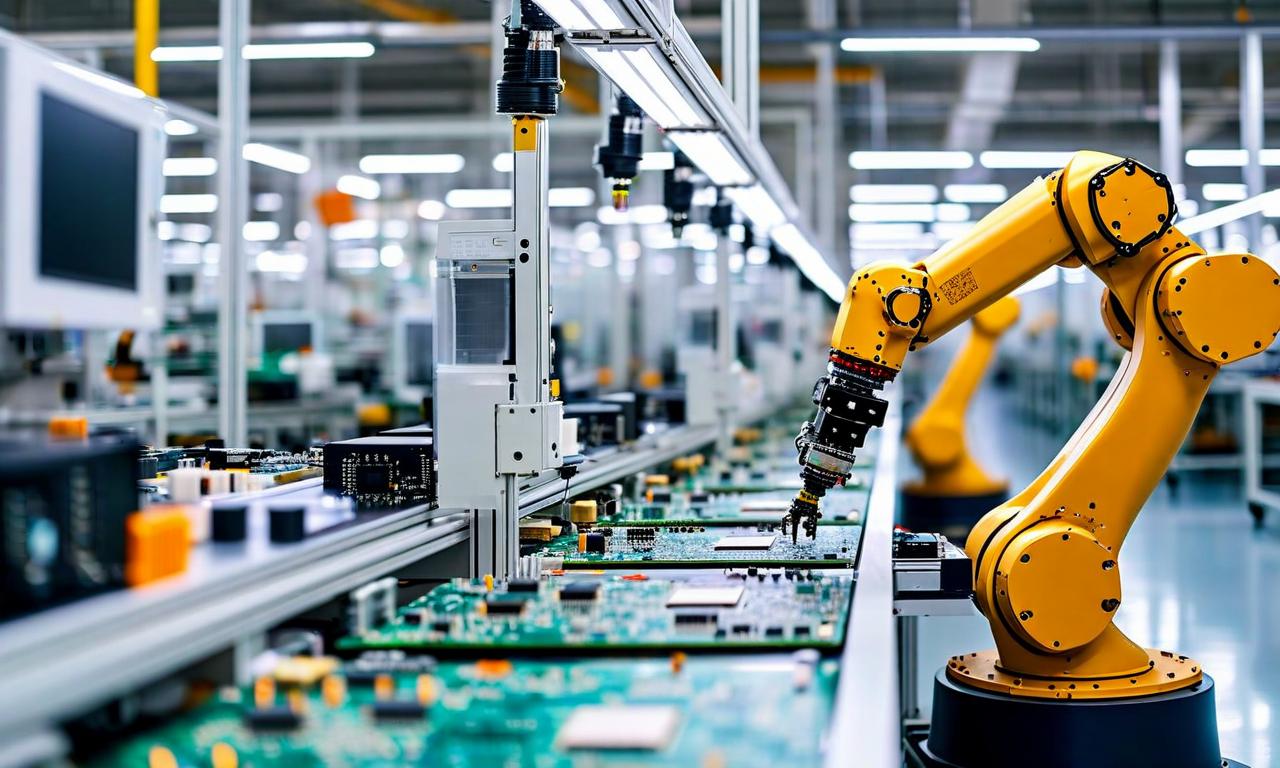
*this image is generated using AI for illustrative purposes only.
Dixon Technologies , India's largest Android handset manufacturer, has experienced significant stock volatility as multiple industry headwinds converge to pressure the company's performance. The stock reached a 52-week low last week and continued its decline with a 5% drop on Tuesday followed by another 1.16% fall on Wednesday.
Market Pressures Impact Stock Performance
The company manufactures smartphones for leading Android brands operating in India, including Xiaomi, Motorola, Vivo, Oppo, Transsion, and Realme. Market analysts have identified three primary factors contributing to the stock's decline:
| Challenge: | Impact |
|---|---|
| Regulatory Delays: | Risk to volume and margin from FY27 due to pending government approvals |
| Memory Chip Surge: | Massive price increases impacting smartphone demand |
| Growth Concerns: | Anticipation of weak December quarter performance |
Memory Chip Crisis Affects Budget Smartphone Demand
A global supply crunch in memory chips has particularly impacted demand for budget smartphones, which represent a significant portion of Dixon's production volumes. Memory components account for approximately 20% of the bill of materials for budget phones, making price fluctuations especially significant for manufacturers.
Analysts project substantial cost increases ahead, with memory chip prices potentially rising by 30% by April 2026. This surge has prompted volume projections to be revised downward.
| Projection Parameter: | Original Estimate | Revised Estimate |
|---|---|---|
| FY26 Volume Target: | 40.00 million units | 37.00-37.50 million units |
Neel Mehta, senior research associate at Equirus Securities, noted the significant impact on volume expectations, stating that Dixon's original projection of 40 million units for FY26 is expected to drop to approximately 37-37.5 million units.
PLI Scheme Conclusion Creates Additional Challenges
The production-linked incentive scheme for mobile phones is set to conclude in March, creating additional pressure for electronics manufacturers. According to JM Financial's analysis, PLIs have historically contributed around 60 basis points to Dixon's mobile business margins, which typically range between 4-5%.
The company had been sharing incentives with customers who were unable to access scheme benefits directly, creating a competitive differentiator that will be lost once the program ends. JM Financial noted in their report that while Dixon has a strategy to mitigate risks to margin and volumes, execution has been delayed due to factors beyond the company's control.
Strategic Mitigation Measures
To address these challenges, Dixon has implemented several strategic initiatives focused on vertical integration and capacity expansion:
- Investment in display module sub-assembly manufacturing
- Development of camera module production capabilities
- Expansion into smartphone enclosure manufacturing
- Entry into lithium-ion battery production
- Strategic joint venture partnership with Vivo
An executive told ET that the company is continuing with its roadmap to handle expected scale increases once current headwinds subside, while simultaneously expanding capacity across multiple component categories.
Market Outlook
The convergence of rising input costs, regulatory uncertainties, and policy changes has created a challenging operating environment for Dixon Technologies. The company's efforts to diversify into component manufacturing represent a strategic shift toward greater vertical integration, though the timeline for these initiatives to offset current pressures remains uncertain given the external factors affecting execution.
Historical Stock Returns for Dixon Technologies
| 1 Day | 5 Days | 1 Month | 6 Months | 1 Year | 5 Years |
|---|---|---|---|---|---|
| -0.78% | +1.38% | -7.62% | +35.08% | -22.71% | +204.18% |
 20
20






 Create Custom Screeners
  Access 200+ Pre-built Filters
  Use 50+ Readymade Screener





