
 NewsDelhi Government Approves Private EVs as Shared Taxis; Ola and Uber Plan Launch Within Month
Delhi Government Approves Private EVs as Shared Taxis; Ola and Uber Plan Launch Within Month


Delhi Government has approved privately-owned electric vehicles for shared taxi operations following Chief Minister Rekha Gupta's meeting with automobile manufacturers and aggregator companies. Ola, Uber, and Rapido committed to launching shared taxi services with women drivers within one month, while expressing readiness to integrate private EVs and BS-VI vehicles pending regulatory changes. The government assured support through rule amendments, land provision for charging stations, and policy flexibility while emphasizing passenger safety and environmental sustainability as core requirements.

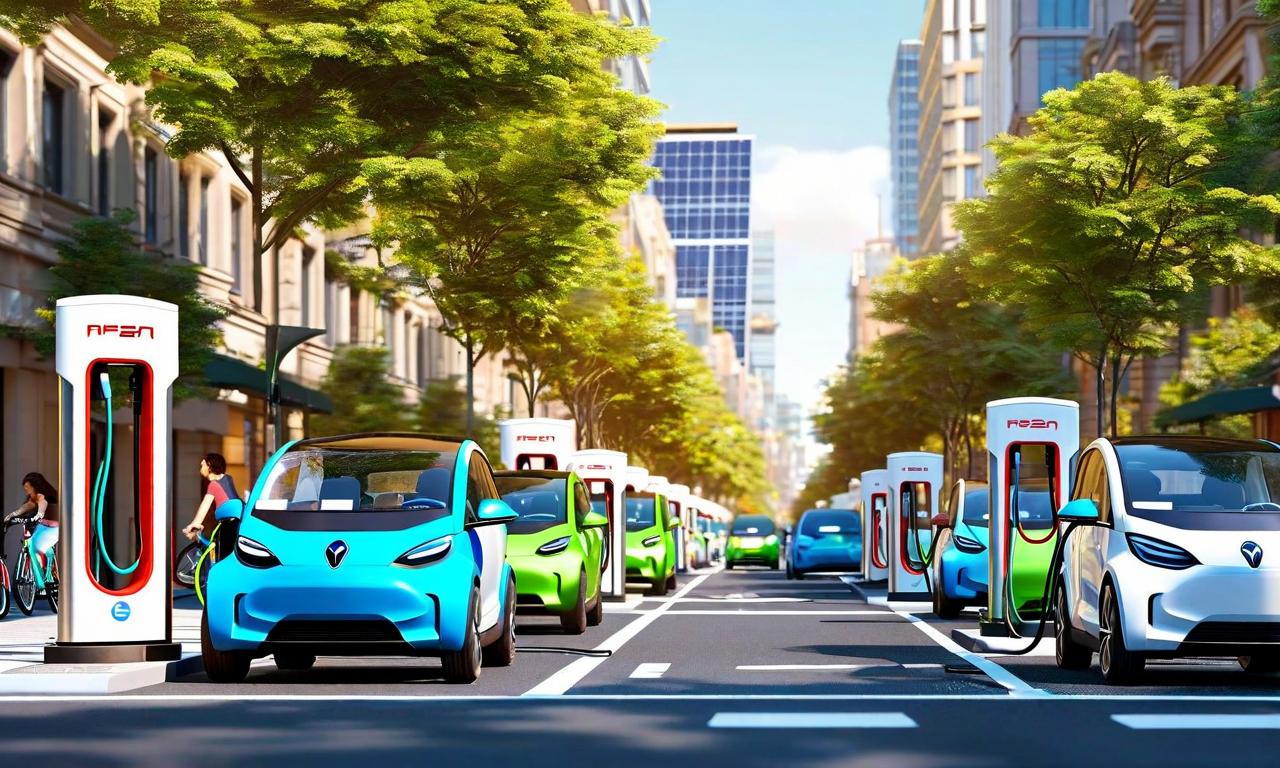

*this image is generated using AI for illustrative purposes only.
The Delhi Government has approved in principle the operation of privately-owned electric vehicles as shared taxis, following a high-level meeting between Chief Minister Rekha Gupta and major industry stakeholders. The decision represents a significant policy shift aimed at promoting electric vehicle adoption and shared mobility in the national capital.
Industry Commitments and Timeline
During the meeting, cab aggregator companies made several key commitments that signal rapid implementation of the new policy framework:
| Commitment: | Timeline/Details |
|---|---|
| Shared taxi launch: | Within one month |
| Women driver services: | Within one month |
| Vehicle integration: | Private EVs and BS-VI vehicles |
| Additional services: | E-rickshaw platform integration |
The aggregator companies, including Ola, Uber, and Rapido, expressed readiness to onboard private EVs and BS-VI compliant vehicles as taxis. However, they emphasized that such integration would require amendments to existing regulatory frameworks.
Government Support and Infrastructure Development
Chief Minister Gupta assured full government support for these initiatives while outlining specific areas of collaboration. The government committed to providing land for charging station establishment, though companies must explore solar energy integration for vehicle charging. She emphasized that companies would need to manage battery waste independently to prevent creating additional pollution sources.
The meeting included representatives from major automobile manufacturers:
- Tata Motors
- Mahindra
- Maruti Suzuki
- Toyota
- Honda
These manufacturers highlighted the need for complete electric vehicle deployment and a people-centric EV policy to achieve full pollution control. They requested specific concessions to strengthen charging infrastructure across the capital.
Service Expansion and Safety Measures
The Chief Minister suggested that companies operate shuttle services on Ring Road and provide connectivity to and from the airport. She recommended initial pilot projects to assess feasibility and utility before full-scale implementation. Passenger safety measures were identified as non-negotiable requirements that companies must strictly ensure.
Policy Objectives and Environmental Goals
Gupta emphasized that effective pollution control in Delhi requires reducing the number of vehicles on roads through shared mobility solutions. She stated that transport-related companies' active support is essential for transforming the capital into 'Viksit Delhi'. The government expressed willingness to provide facilitation, resolve company issues, and introduce regulatory flexibility to encourage EV purchases and aggregator service usage.
The Chief Minister requested companies to submit comprehensive plans outlining timelines for meeting demand-based electric vehicle supply across Delhi. She emphasized that vehicle pricing should be structured to attract consumers while companies provide benefits to vehicle buyers to increase public interest in EVs.
Strategic Focus Areas
The government identified the transport sector as a major pollution contributor in Delhi, prompting promotion of multiple sustainable mobility solutions:
- Electric vehicles
- Shared mobility platforms
- E-rickshaw integration
- Shuttle services
- Women-friendly taxi models
The administration emphasized that providing affordable, safe, and environmentally friendly transport facilities to the public remains a top priority, with this policy framework serving as a foundation for broader sustainable urban mobility transformation.
 20
20






 Access 50+ Readymade Screeners
  Use 200+ Custom Filters
  Get Full Market Insights





