CAG flags fiscal transparency gaps as Centre's debt remains elevated above FRBM targets

3 min read     Updated on 02 Jan 2026, 03:44 PM
scanx
Reviewed by
Naman SScanX News Team
Overview

The CAG has flagged serious concerns about the Centre's fiscal transparency under the FRBM Act, with central government debt at 57.93% of GDP in FY2022-23, despite improvement from the pandemic peak of 61.38%. The audit revealed disclosure gaps, with CAG computing debt at ₹156.13 lakh crore versus government's reported ₹152.24 lakh crore. Interest payments consumed 35.35% of revenue receipts, while unrealised tax revenue reached ₹21.30 lakh crore, representing 70% of gross collections and indicating potential for reduced borrowing through improved recovery.

28894473

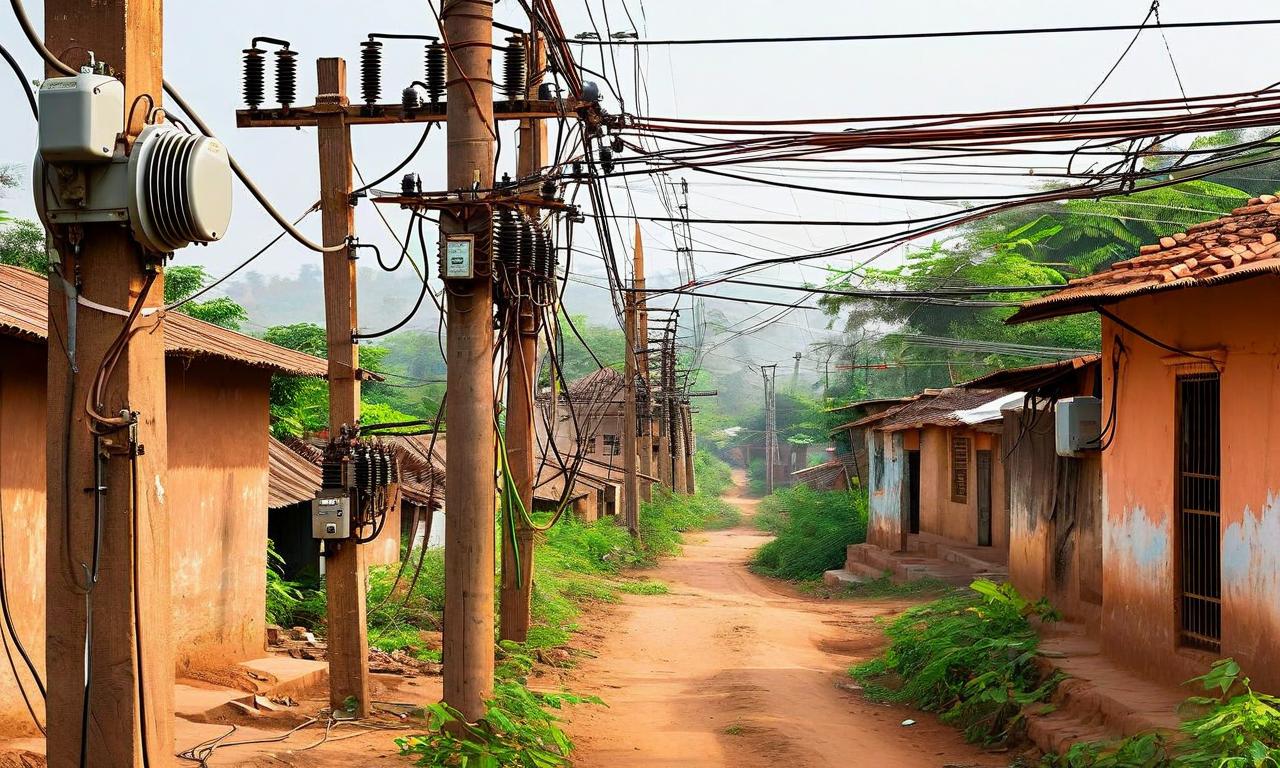
*this image is generated using AI for illustrative purposes only.

The Comptroller and Auditor General (CAG) has raised significant concerns about the Centre's fiscal performance and transparency under the Fiscal Responsibility and Budget Management (FRBM) Act. The audit reveals persistent challenges in debt management and fiscal disclosure practices despite some post-pandemic improvements.

Central Government Debt Trajectory

Central government debt as a percentage of GDP experienced significant volatility during the pandemic period, breaching established fiscal targets. The debt-to-GDP ratio peaked during the health crisis before showing gradual improvement in subsequent years.

Financial Year Debt-to-GDP Ratio Status
FY2020-21 61.38% Breached FRBM limit of 40%
FY2021-22 58.76% Declining trend
FY2022-23 57.93% Above pre-pandemic levels

In absolute terms, central government debt increased substantially in FY2022-23, rising by ₹17.48 lakh crore, representing a 12.61% increase. The composition of this debt growth shows internal debt contributing the largest portion at ₹16.12 lakh crore, while external debt rose by ₹0.90 lakh crore and public account liabilities increased by ₹0.13 lakh crore.

Fiscal Transparency and Disclosure Gaps

The CAG identified significant discrepancies in fiscal reporting that undermine transparency. The Medium Term Fiscal Policy Statement for 2024-25 failed to disclose actual central government debt figures for FY2022-23, creating information gaps for stakeholders.

Document Reported Debt Variance
Receipt Budget 2024-25 ₹152.24 lakh crore Government figure
CAG Computation ₹156.13 lakh crore As per FRBM definition
Difference ₹3.89 lakh crore Unexplained variance

The audit also revealed inconsistencies in extra-budgetary resources reporting. For the period FY2016-17 to FY2021-22, the Expenditure Profile 2024-25 showed extra-budgetary resources at ₹1,37,868.60 crore, compared to ₹1,39,287.30 crore reported in the previous year, reflecting an unexplained difference of ₹1,418.70 crore.

Interest Burden and Revenue Challenges

Interest payments continue to consume a substantial portion of government revenue receipts, indicating persistent fiscal stress. The interest burden showed fluctuation across the review period, with a concerning uptick in the most recent year.

Financial Year Interest as % of Revenue Receipts
FY2020-21 38.66%
FY2021-22 33.99%
FY2022-23 35.35%

A critical concern highlighted by the CAG involves tax revenue raised but not realised, which significantly impacts the government's borrowing requirements. In FY2021-22, this unrealised tax revenue stood at ₹15.83 lakh crore, escalating to ₹21.30 lakh crore in FY2022-23. This figure represents nearly 70% of gross tax collections, suggesting that improved recovery mechanisms could substantially reduce borrowing needs.

FRBM Compliance and General Government Debt

The audit revealed that general government debt levels remain significantly above FRBM Act targets. Under the Act, general government debt was to be capped at 60% of GDP by FY2024-25. However, the trajectory shows persistent elevation above this threshold.

Parameter FY2018-19 FY2022-23 FRBM Target
General Government Debt 70.39% of GDP 81.35% of GDP 60% of GDP by FY2024-25

Despite these challenges, the CAG noted that additional guarantees issued in FY2022-23 remained within prescribed limits at ₹0.61 lakh crore, or 0.23% of GDP, well below the FRBM limit of 0.5%.

The CAG concluded that while post-pandemic debt ratios have shown improvement, significant gaps in disclosure, inconsistent data reporting, and elevated absolute debt levels continue to undermine fiscal transparency and accountability. The audit emphasises the need for enhanced fiscal discipline and improved disclosure practices to restore confidence in India's fiscal management framework.

like17
dislike

CAG Audit Exposes Gaps in Rural Electrification Claims Under DDUGJY and Saubhagya Schemes

3 min read     Updated on 26 Dec 2025, 09:40 AM
scanx
Reviewed by
Riya DScanX News Team
Overview

CAG audit reveals significant implementation gaps in DDUGJY and Saubhagya rural electrification schemes, with actual household electrification reaching only 66.34% of targets by March 2022 despite 100% achievement claims. The report documented widespread project delays affecting 91.74% of DDUGJY projects, financial irregularities including ₹2.24 crore in duplicate payments, and incomplete network strengthening objectives across multiple states.

28267846

*this image is generated using AI for illustrative purposes only.

A comprehensive audit by the Comptroller and Auditor General of India (CAG) has exposed significant gaps between government claims and actual achievements in two flagship rural electrification schemes, raising serious questions about the credibility of 100% household electrification assertions.

The audit examined the Deen Dayal Upadhyaya Gram Jyoti Yojana (DDUGJY) and the Pradhan Mantri Sahaj Bijli Har Ghar Yojana (Saubhagya), revealing substantial shortcomings in implementation, monitoring, and achievement reporting.

Scheme Overview and Financial Outlay

The DDUGJY, launched in December 2014, aimed to strengthen rural electricity distribution networks and provide last-mile connectivity with a planned timeline of 24 to 30 months. The scheme was designed to electrify unelectrified households across rural India.

Scheme Details: DDUGJY Saubhagya Additional Infrastructure
Launch Date: December 2014 October 2017 -

Approved Outlay: ₹75,893 crore ₹16,320 crore ₹14,183 crore
Actual Expenditure: ₹64,495 crore ₹9,246 crore ₹11,373 crore
Target Completion: 24-30 months March 2019 -

Saubhagya was launched in October 2017 specifically to provide electricity connections to all remaining unelectrified households, with a target completion date of March 2019.

Achievement Gaps and Overstated Claims

The audit revealed stark discrepancies between reported achievements and actual electrification numbers. Under Saubhagya, approximately 300 lakh unelectrified households were estimated to require coverage.

Achievement Metrics: Target/Claimed Actual Achievement Achievement Rate
Households (March 2019): 262.84 lakh 151.60 lakh 57.67%
Households (March 2022): 300.00 lakh 174.36 lakh 66.34%
Rural Households Target: 4.04 crore 2.86 crore 70.79%

While the scheme dashboard claimed 100% achievement by March 2019, the CAG found that only 151.60 lakh households had actually been electrified by that date. By March 2022, this number increased to 174.36 lakh households, still representing only 66.34% of the estimated target.

Despite 25 states claiming full achievement between November 2018 and March 2019, seven states reported 19.10 lakh unelectrified households as of March 31, 2019. The audit noted that 11.64 lakh households remained unelectrified as late as March 30, 2021.

State-Level Discrepancies

Uttar Pradesh presented a particularly concerning case study of inflated achievement claims:

Uttar Pradesh Performance: Details
Unelectrified Households (Nov 2017): 46.31 lakh
Actual Electrification (March 2019): 21.29 lakh
Achievement Rate: 45.98%
Official Claim: 100% electrification

Implementation Issues and Financial Irregularities

The audit identified several systemic problems affecting scheme implementation:

Contractor-Related Issues:

  • 16,728 households in two states received duplicate connections under both DDUGJY and Saubhagya
  • Undue benefits extended to contractors
  • Double payments for identical work totaling ₹2.24 crore
  • Payments made without ensuring work completion

Network Strengthening Shortfalls: The Rural Electrification Corporation (REC), serving as the nodal agency for DDUGJY, substantially curtailed system strengthening costs. Against a demand of ₹44,821 crore from 19 states and two Union Territories, restrictions imposed ranged between 14.13% and 99.05%.

Feeder Separation Progress: Numbers
Approved Feeders: 16,500
Sanctioned Feeders: 9,019
Completed by March 2022: 7,833

Project Delays and Timeline Overruns

The audit documented widespread delays across DDUGJY implementation:

Delay Statistics: Projects Affected Percentage
Awarding Delays: 494 out of 605 81.65%
Completion Delays: 555 out of 605 91.74%
Delays Over 24 Months: 263 projects -
States/UTs Affected: 27 states, 3 UTs -

Completion delays affected 555 projects across 27 states and three Union Territories, with 263 projects in 19 states and three UTs experiencing delays exceeding 24 months.

Persistent Rural Power Supply Issues

Despite the implementation of both schemes, the audit noted that problems of inadequate and unreliable power supply continue to persist in rural areas. The objective of DDUGJY was only partially achieved, as the allocated budget outlay proved insufficient to meet the scheme's comprehensive objectives.

The CAG report highlights systemic weaknesses in planning, execution, and monitoring of these flagship rural electrification programs, raising fundamental questions about the credibility of government electrification claims and the effectiveness of current implementation mechanisms.

like20
dislike
Explore Other Articles
Transformers & Rectifiers Targets ₹8000 Crore Order Book by FY26 End 7 hours ago
Reliance Industries Schedules Board Meeting for January 16, 2026 to Approve Q3FY26 Financial Results 9 hours ago
Power Mech Projects Subsidiary Secures ₹1,563 Crore BESS Contract from WBSEDCL 6 hours ago
Elpro International Acquires Additional Stake in Sundrop Brands for ₹39.18 Crores 6 hours ago
Krishival Foods Limited Completes Rights Issue Allotment of 3.33 Lakh Partly Paid-Up Equity Shares 8 hours ago
Raymond Realty Board Approves Employee Stock Option Plan 2025 Following Demerger 8 hours ago