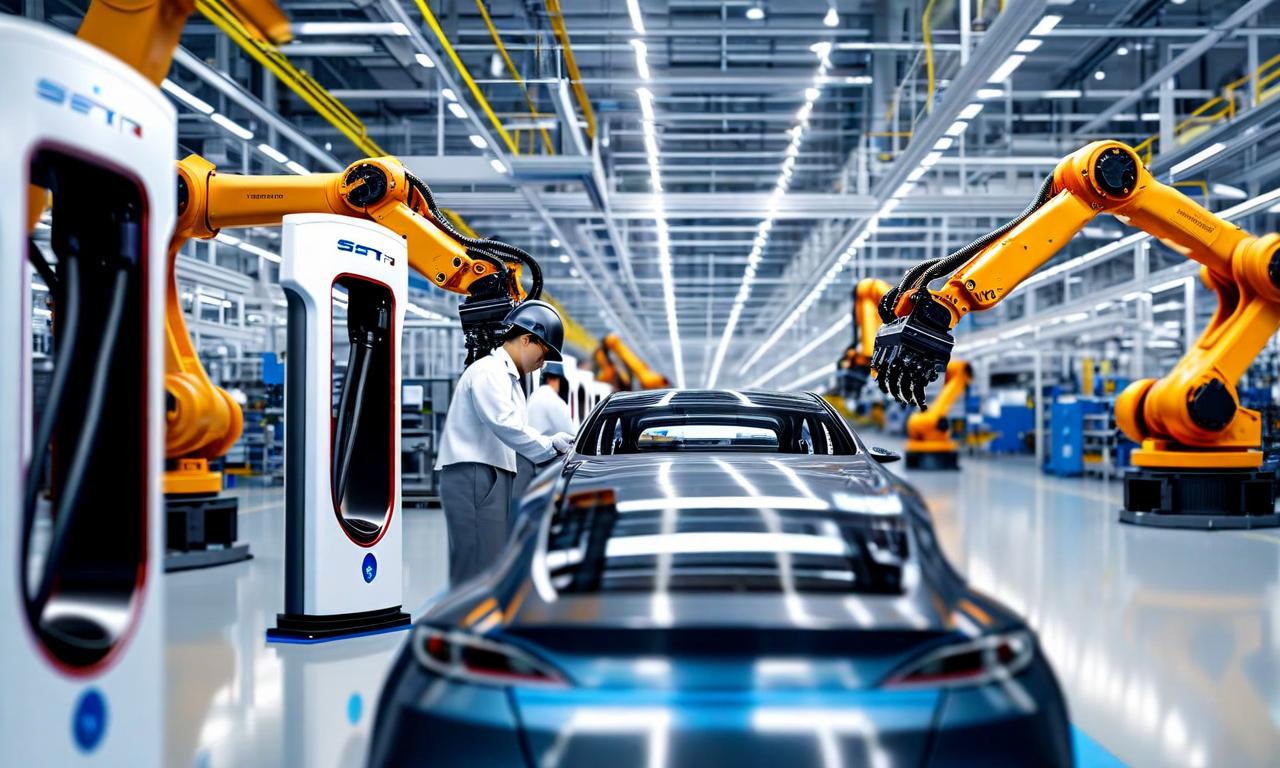
The technological advancement since the internet age has repeatedly flipped fortunes for legacy giants facing upstart companies. Initially mocked and derided by industry titans, these tech startups went on to dethrone established players, capturing market share and building entirely new business models. The BYD-Tesla saga represents the latest example of how innovation and risk appetite can triumph over complacency rooted in market dominance.
Elon Musk vs BYD: From Laughter to Leadership Loss
Among the most prominent episodes is Elon Musk's dismissal of Chinese EV giant BYD. During a Bloomberg interview, Musk laughed when asked about the Shenzhen-based company, saying their cars were "not great" and dismissing them as serious competitors. "Have you seen their car?" the billionaire sneered.
| Market Reversal: |
Tesla |
BYD |
| Annual Deliveries: |
1.64 million (-8.6%) |
2.26 million (+28%) |
| Market Position: |
Lost EV crown |
New global leader |
| Sales Trend: |
Second consecutive decline |
Rising across quarters |
| Production Volume: |
Behind by 4,500 units |
1.78 million EVs produced |
BYD overtook Tesla as the world's biggest seller of electric vehicles, marking the first time it outpaced its American rival in annual sales. Tesla's deliveries dropped nearly 9.00% to 1.64 million vehicles worldwide, representing its second consecutive year of falling car deliveries.
Steve Ballmer vs iPhone: Missing the Smartphone Revolution
Microsoft Corp.'s then-CEO Steve Ballmer mocked the iPhone upon its launch, calling it "the most expensive phone in the world" and doubting its business appeal. "500 dollars? Fully subsidised? With a plan? I said that is the most expensive phone in the world. And it doesn't appeal to business customers because it doesn't have a keyboard," he declared.
| Strategic Misjudgment: |
Ballmer's View |
Reality |
| Price Concern: |
Too expensive at $500 |
Carrier subsidies made it accessible |
| Business Appeal: |
No keyboard = poor email |
Touchscreen revolutionized interaction |
| Market Impact: |
Dismissed as niche |
Became most successful consumer product |
| Microsoft's Fate: |
Windows Phone launched |
Eventually shut down |
The iPhone revolutionized mobile computing and became one of the most successful consumer products ever, while Windows Phone was eventually discontinued. Ballmer later admitted they "should have been in the hardware business sooner."
Blockbuster vs Netflix: Rejecting Digital Transformation
Blockbuster Inc., the dominant American home video rental company, dismissed Netflix Inc.'s DVD-by-mail and streaming model. The company rejected an offer to buy Netflix for $50 million, with CEO John Antioco deeming the unprofitable Netflix a niche business, stating "the dot-com hysteria is completely overblown."
| Business Model Clash: |
Blockbuster |
Netflix |
| Distribution: |
Physical stores |
Mail delivery, then streaming |
| Investment Opportunity: |
Rejected $50M acquisition |
Became streaming giant |
| Market Position: |
Dominant rental chain |
Global content producer |
| Final Outcome: |
Bankruptcy filing |
$82B+ market valuation |
New technologies enabled Netflix's shift to internet streaming, transforming it into a global streaming giant and major content production company, while Blockbuster filed for bankruptcy.
Nokia vs Android: Clinging to Legacy Systems
Nokia, the Finnish mobile phone pioneer, underestimated Android's potential by maintaining its Symbian operating system and later partnering with Windows Phone. The Google-developed OS offered flexible, customizable experiences and rich app ecosystems that attracted Samsung, LG, Sony, and Huawei.
| Operating System Battle: |
Nokia Strategy |
Android Success |
| OS Choice: |
Symbian, then Windows Phone |
Open, flexible platform |
| Manufacturer Appeal: |
Limited customization |
Attracted major brands |
| Market Adaptation: |
Too late, poorly executed |
Quick global adoption |
| Current Market Share: |
Exited handset market |
Powers 70%+ of smartphones |
Nokia's strategic blunders included partnering with Microsoft instead of embracing Android early, launching Android-based devices too late and poorly. Android now powers over 70.00% of smartphones globally.
Kodak vs Digital Cameras: Fear of Cannibalization
Kodak invented the world's first digital camera but downplayed digital photography, fearing it would cannibalize its profitable film business. The company's leadership prioritized short-term film sales over long-term digital innovation, despite being pioneers in the technology.
| Innovation Paradox: |
Kodak's Position |
Market Reality |
| Technology Leadership: |
Invented digital camera |
Failed to commercialize |
| Business Model: |
Film sales and processing |
Digital eliminated film need |
| Strategic Fear: |
Cannibalization concerns |
Competitors captured market |
| Market Outcome: |
Bankruptcy filing |
Samsung, Canon, Sony dominated |
Digital cameras and smartphones eventually eliminated the film market entirely. Kodak filed for bankruptcy, while Samsung, Canon, Nikon, and Sony emerged as industry leaders.
Lessons from Corporate Overconfidence
These cases demonstrate recurring patterns where established companies' dismissal of emerging competitors stems from overconfidence in existing business models. Market leaders often underestimate disruptive technologies and new entrants, focusing on protecting current revenue streams rather than embracing innovation. The BYD-Tesla reversal joins a long history of technological disruption where yesterday's laughter becomes tomorrow's market reality.


 18
18