NewsStocksAgarwal Highlights China's Power Advantage in AI Era, Calls for Unified Energy Policy in India
Agarwal Highlights China's Power Advantage in AI Era, Calls for Unified Energy Policy in India


Vedanta Resources Chairperson Anil Agarwal has highlighted China's strategic advantage in the AI era, noting its double power capacity compared to the US despite being a smaller economy. He emphasized that affordable and secure power is crucial for AI-driven economies, particularly for processing critical minerals. Agarwal identified significant opportunities for India in both conventional and renewable energy sectors, recommending unified policies that integrate generation, transmission, and distribution to make the country future-ready for AI applications.
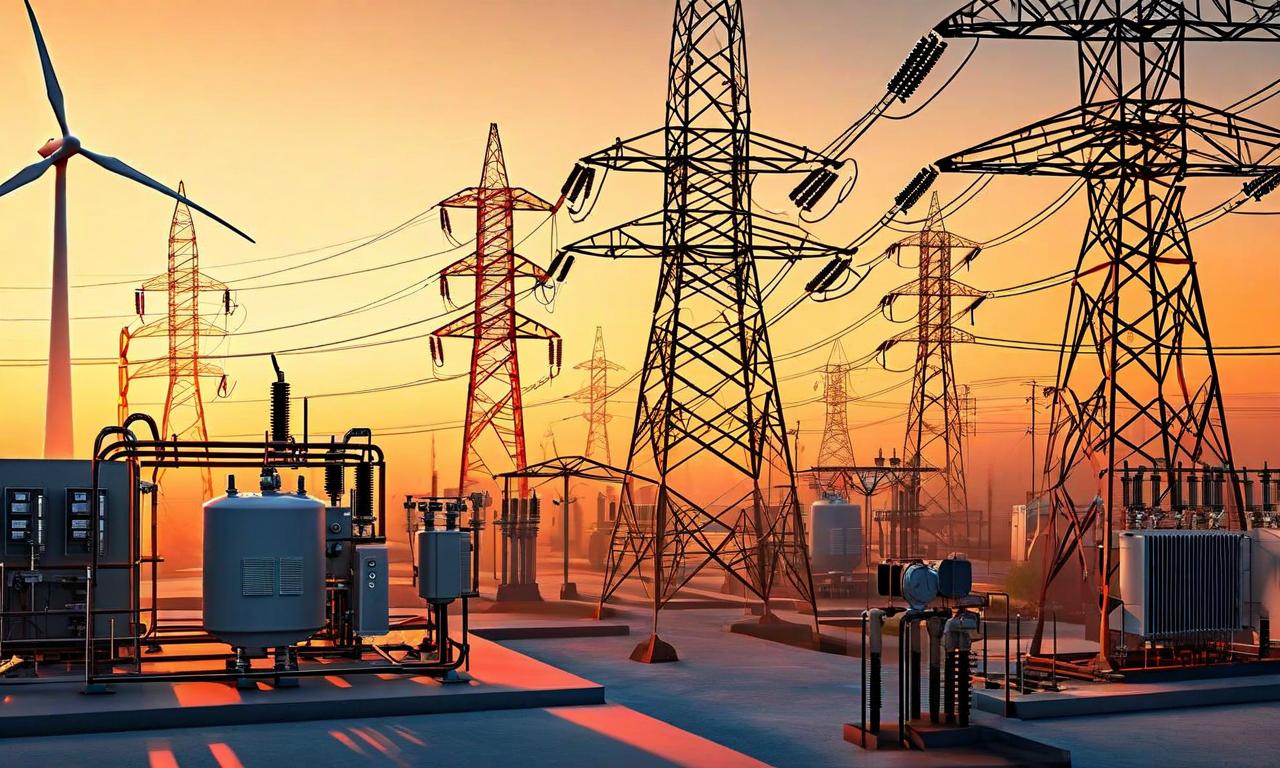
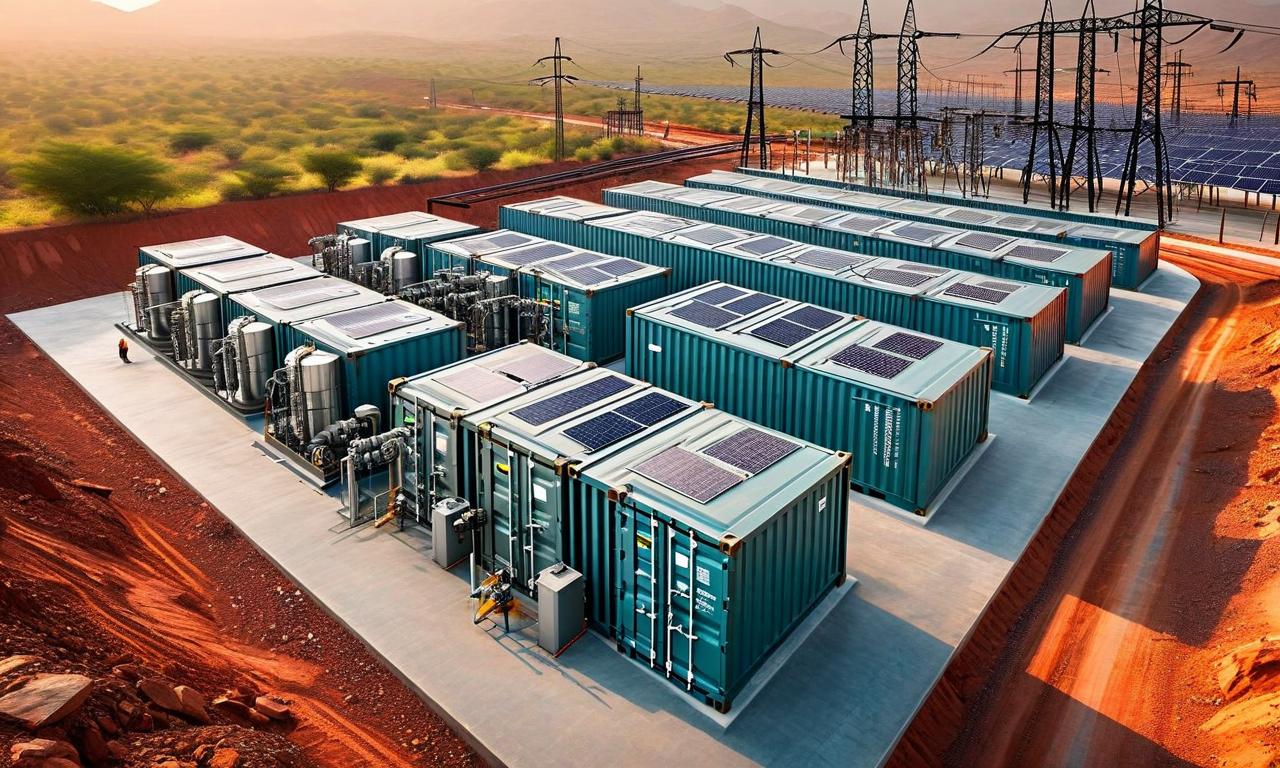
*this image is generated using AI for illustrative purposes only.
Vedanta Resources Chairperson Anil Agarwal has drawn attention to the strategic importance of energy infrastructure in the artificial intelligence era, highlighting China's significant advantage over other major economies. In a recent post on social media platform X, Agarwal emphasized how energy capacity has become a critical factor for economic competitiveness in the age of AI.
China's Strategic Power Advantage
Agarwal pointed out a striking disparity in power infrastructure between major economies, noting that China maintains double the power capacity of the United States despite being a smaller economy overall. He attributed this advantage to China's long-term strategic planning approach.
| Parameter | Details |
|---|---|
| China's Power Capacity | Double that of the US |
| Strategic Approach | Long-term thinking |
| Competitive Advantage | Positioned for AI-age growth |
"China thinks long-term. This power capacity is going to be a big advantage in the AI-age," Agarwal stated, emphasizing how this infrastructure positions China favorably for future technological developments.
Energy-AI Nexus and Economic Implications
The Vedanta Resources founder highlighted the fundamental connection between affordable, secure power supply and AI-driven economic growth. According to Agarwal, future economies will be built on artificial intelligence and applications requiring critical minerals, making affordable power essential for processing these materials.
Agarwal also addressed challenges facing the United States in balancing energy demands. He noted that AI applications consume substantial amounts of power, creating limitations and cost pressures for other industrial activities. "AI is consuming so much power that what is left for other industrial activities is limited and expensive," he remarked.
India's Energy Opportunities
Regarding India's position in this evolving landscape, Agarwal identified substantial opportunities for growth in the power sector. He emphasized that New Delhi has significant potential in both power generation and transmission across conventional and renewable energy sources.
| Opportunity Areas | Focus |
|---|---|
| Power Generation | Conventional and renewable |
| Transmission Infrastructure | Grid connectivity and distribution |
| Target Sectors | Homes, factories, data centers |
| Key Requirement | Affordable pricing |
"We have to supply homes, factories and data centres at affordable prices," the billionaire entrepreneur stated, outlining the comprehensive approach needed for India's energy strategy.
Policy Recommendations for India
Agarwal proposed specific policy reforms to accelerate India's progress in the energy sector. He advocated for streamlined and simplified policies that would integrate different aspects of the power value chain under a unified framework.
His recommendations include:
- Consolidating generation, transmission, and distribution under one comprehensive policy
- Enabling companies to execute end-to-end solutions
- Simplifying regulatory frameworks for faster implementation
"Make it simple by making generation, transmission and distribution part of one policy. Companies should execute end-to-end. That's how we will become future-ready in the present," Agarwal emphasized in his social media post.
Industry Perspective on AI Energy Demands
The energy-AI connection has gained prominence across the technology industry. Nvidia CEO Jensen Huang had previously highlighted in a CNBC interview that the AI industry requires substantial energy resources for advancement, stating the need for "more energy, more chips, better models and more models, and a lot more applications."
Huang's observations align with Agarwal's assessment, particularly regarding energy infrastructure comparisons between major economies and the strategic importance of power capacity in supporting AI development and related technological applications.
 18
18