

7 Key Risks That Could Impact Nifty's 2026 Rally Towards 29,000 Target


Market analysts have identified seven key risks that could impact Nifty's projected rally towards 29,000 in 2026, despite the index's 10-year winning streak. These include US-India trade deal delays, geopolitical uncertainties, AI bubble concerns, earnings-valuation mismatches, crude oil price volatility, rupee depreciation risks, and equity supply glut challenges.



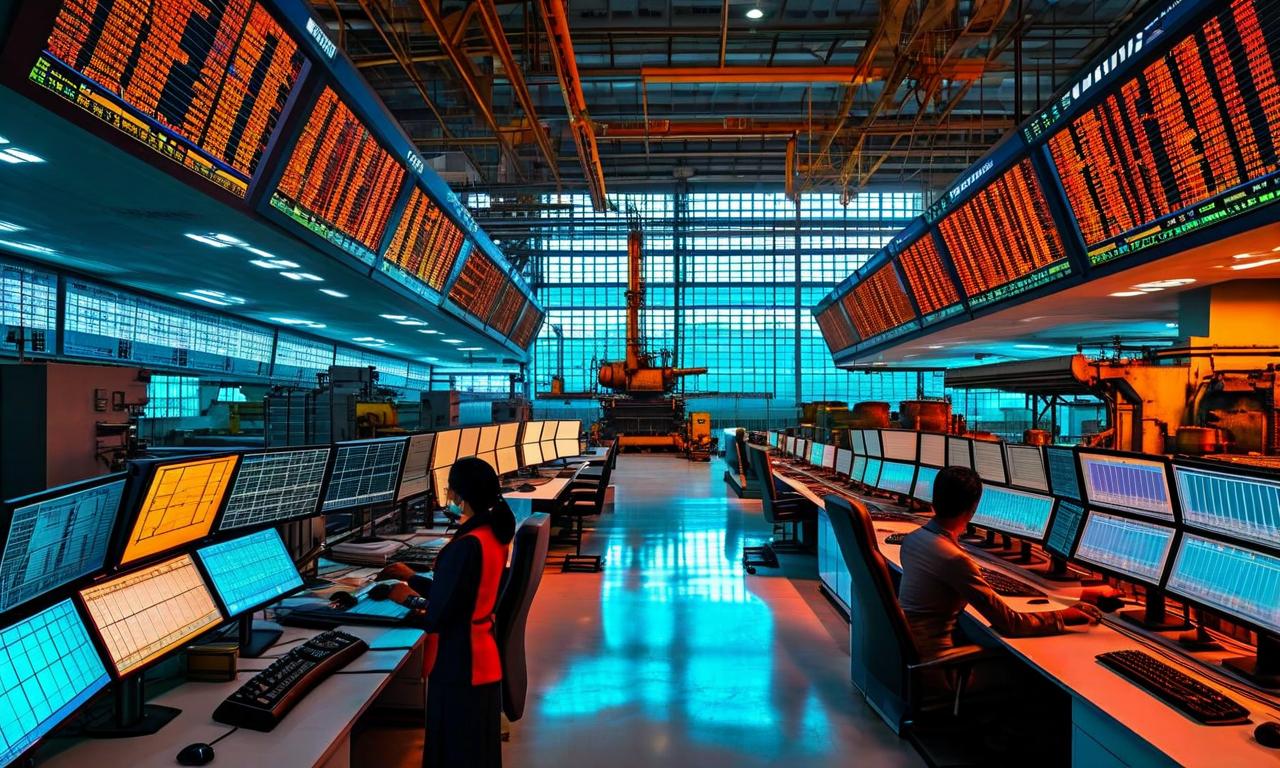
*this image is generated using AI for illustrative purposes only.
Following Nifty's unprecedented 10-year winning streak in 2025, market participants are setting ambitious targets around 29,000 for 2026. However, financial analysts have identified multiple risk factors that could impact this projected rally. Pradeep Gupta, Executive Director-Head of Investments India at Lighthouse Canton, noted that external shocks could create near to mid-term volatility, particularly geopolitical distortions and US-led slowdown in global growth cycles.
Trade Relations and Policy Risks
Bank of America Securities has flagged US-India trade deal delays as an immediate concern. The firm believes markets are already pricing in a US-India trade deal, with any delay in announcement beyond January-February 2026 potentially disappointing markets. The bank's base case expects India to attract 15% tariffs from the US, while a more severe scenario of sustained tariffs at 25-50% could trigger significant volatility.
| Risk Factor: | Impact Details |
|---|---|
| Trade Deal Delay: | Market disappointment if announcement delayed beyond Jan-Feb 2026 |
| Base Case Tariffs: | 15% tariffs expected |
| Severe Scenario: | 25-50% sustained tariffs could trigger volatility |
Abhishek Jain, Head of Research at Arihant Capital Markets, identified political uncertainty as a significant risk factor. Markets remain forward-looking but have not fully priced in global electoral volatility, particularly the US election that could shift fiscal priorities, regulatory outlooks, and foreign policy in areas like trade and technology.
Technology and Valuation Concerns
The concentration in AI-driven US tech stocks poses systemic risks to global markets, including India. Bank of America noted that a sharp correction in US equity markets, particularly driven by unwinding of the AI-led valuation bubble, represents a meaningful risk for Indian equities due to strong correlation between Indian and US markets. Elevated positioning in AI stocks and stretched multiples could trigger capital flight to safety and foreign outflows from emerging markets.
Regarding earnings and valuations, HSBC emphasized that India needs to grow faster than the region to justify current trading valuations. In the absence of anticipated cyclical growth pickup, valuations will likely remain a concern. Krishnan VR, Chief of Quantitative Research team at Marcellus, highlighted that while broad markets corrected in 2025, investors should remain mindful of valuation risks in sectors like auto and defence stocks.
Commodity and Currency Risks
Bank of America's commodities analysts expect Brent crude to average $60 per barrel in 2026 versus $69 per barrel in 2025, but identified upside risks including geopolitical developments, stronger economic growth, and strong demand from China. A $5 per barrel annual increase in crude prices could add $6 billion to India's current account deficit.
| Currency Impact Factors: | Details |
|---|---|
| Rupee Depreciation Effect: | 1% depreciation can result in 1.2% decline in Indian equities |
| Historical Impact: | INR depreciation reduced annualised returns for foreign investors by 5 percentage points over 15 years |
| Feedback Loop Risk: | Continued foreign outflows could tighten domestic liquidity conditions |
While Bank of America and consensus expect the rupee to appreciate 3-6% in 2026, multiple factors could trigger depreciation including widening current account gaps, lower exports from trade deal delays, continued foreign institutional investor outflows, and fiscal slippages.
Market Supply Dynamics
HSBC warned about record-high equity supply levels, with fresh equity supply via primary or follow-up offerings exceeding $5-6 billion in recent months. The firm estimates that approximately 65% of new money raised went to existing shareholders via offer-for-sale rather than into companies themselves. This supply-demand imbalance poses risks unless foreign investors return in significant numbers.
These identified risk factors serve as important considerations for market participants as they evaluate Nifty's potential trajectory towards the 29,000 target in 2026, highlighting the need for careful monitoring of both domestic and international developments.
 19
19












 Create Custom Screeners
  Access 200+ Pre-built Filters
  Use 50+ Readymade Screener





