

Digital Asset Acquisition to acquire Titan Strategics, EV $318M


- Digital Asset Acquisition Corp. agreed to acquire Titan Strategics, creating a combined entity with a pro-forma enterprise value of $318 million
- Titan holds exploration licenses for the former Ranstad uranium mine and 207 km² of the Billingen district in Sweden
- Historical data shows 242 drill holes by the Swedish state, with assays averaging ~350 ppm U3O8 over ~7 meters
- Sweden lifted its uranium ban on January 1, 2026, reopening alum shales estimated to host one million tonnes of uranium
- The company secured a signed commitment for $15 million in common equity through a PIPE investment

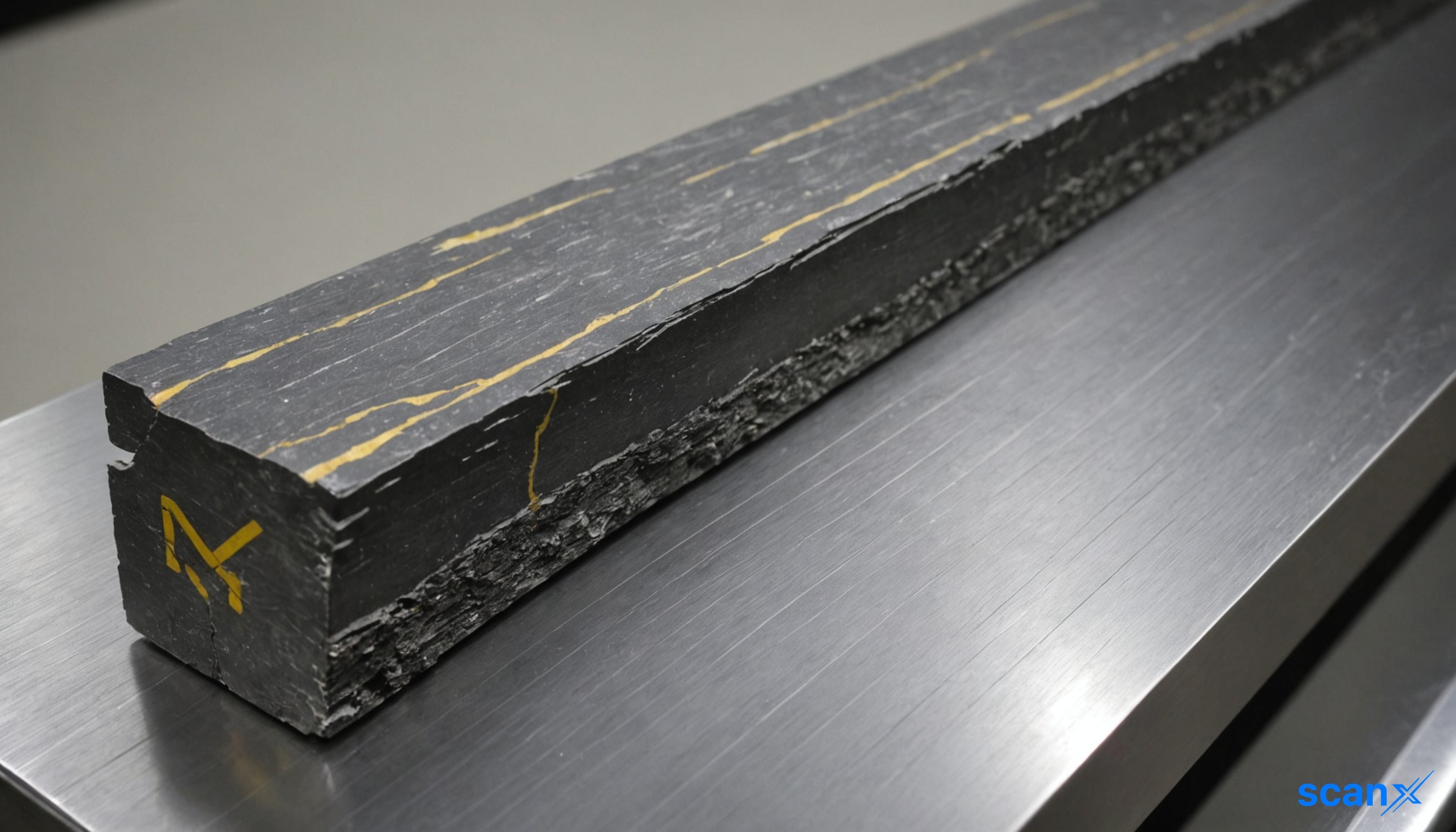

*this image is generated using AI for illustrative purposes only.
Digital Asset Acquisition Corp. has announced an agreement to acquire Titan Strategics, the entity holding exploration licenses over the former Ranstad uranium mine and the surrounding Billingen uranium district in Sweden. The transaction establishes a pro-forma combined company with an enterprise value of $318 million.
Strategic Asset Profile
Titan Strategics holds licenses covering approximately 207 km² of the Billingen uranium district in Sweden, a NATO and EU member state. The Ranstad mine was historically Sweden’s largest producing uranium site. Originally constructed by AB Atomenergi, the state-controlled firm behind Sweden’s first nuclear reactor, the asset was later co-managed by LKAB, currently one of Europe’s largest mining companies.
Historical drilling data indicates significant potential within the licensed area:
| Metric | Detail |
|---|---|
| Historical Drill Holes | 242 (drilled by Swedish state) |
| Holes in License Area | More than 200 |
| Average Assay Grade | ~350 ppm U3O8 |
| Average Thickness | ~7 meters |
| Surface Proximity | Within ~9 meters in places |
The ore body is described as a flat, layer-cake horizon, with historical assays averaging approximately 350 ppm U3O8 over about 7 meters.
Market Context and Regulatory Shift
The acquisition aligns with shifting European energy policies. The European Union imports virtually all of its uranium, with approximately one pound in six sourced from Russia. On January 1, 2026, Sweden lifted its ban on uranium mining, reopening alum shales that host an estimated one million tonnes of uranium, according to the IAEA/OECD-NEA "Red Book".
Transaction Structure and Leadership
The deal involves a partnership with Digital Asset Acquisition Corp., whose team includes Jim Cornell, a 40-year uranium and nuclear executive who recently advised on the public listing of IQM Quantum Computers Oyj. To support the transaction, the company received a signed commitment for $15 million in common equity via a PIPE (Private Investment in Public Equity) investment from an accredited investor.
What the Numbers Show
The valuation implies a significant premium relative to the immediate capital raised. With a pro-forma enterprise value of $318 million against a disclosed PIPE commitment of $15 million, the equity injection represents approximately 4.7% of the total enterprise value. This structure suggests that the bulk of the valuation is derived from the underlying asset rights and strategic positioning rather than immediate cash reserves, highlighting the market's premium on securing exploration licenses in a newly deregulated jurisdiction.

How will the $15 million PIPE commitment be allocated between immediate exploration drilling and securing additional capital for the $318 million enterprise valuation?
What specific regulatory milestones must Titan Strategics achieve to convert its exploration licenses into mining rights under Sweden's newly lifted uranium ban?
Given the historical grade of ~350 ppm U3O8, what are the projected timeline and cost estimates for defining a compliant mineral resource estimate to validate the current valuation?









 Access Market Heat-map & Insights
  Create, Save & Share your Screener
  Use 200+ Screening Filters





