

Intuitive Surgical model suggests specialized robots beat humanoids


- RoboStrategy CEO Andrew Kang argues specialized robotics can create trillion-dollar companies
- Intuitive Surgical generated $10.1 billion revenue in 2025, up 21% YoY
- Tesla's Optimus aims for general-purpose tasks, facing higher technological hurdles
- Intuitive Surgical's market cap stood at roughly $145 billion as of September 29

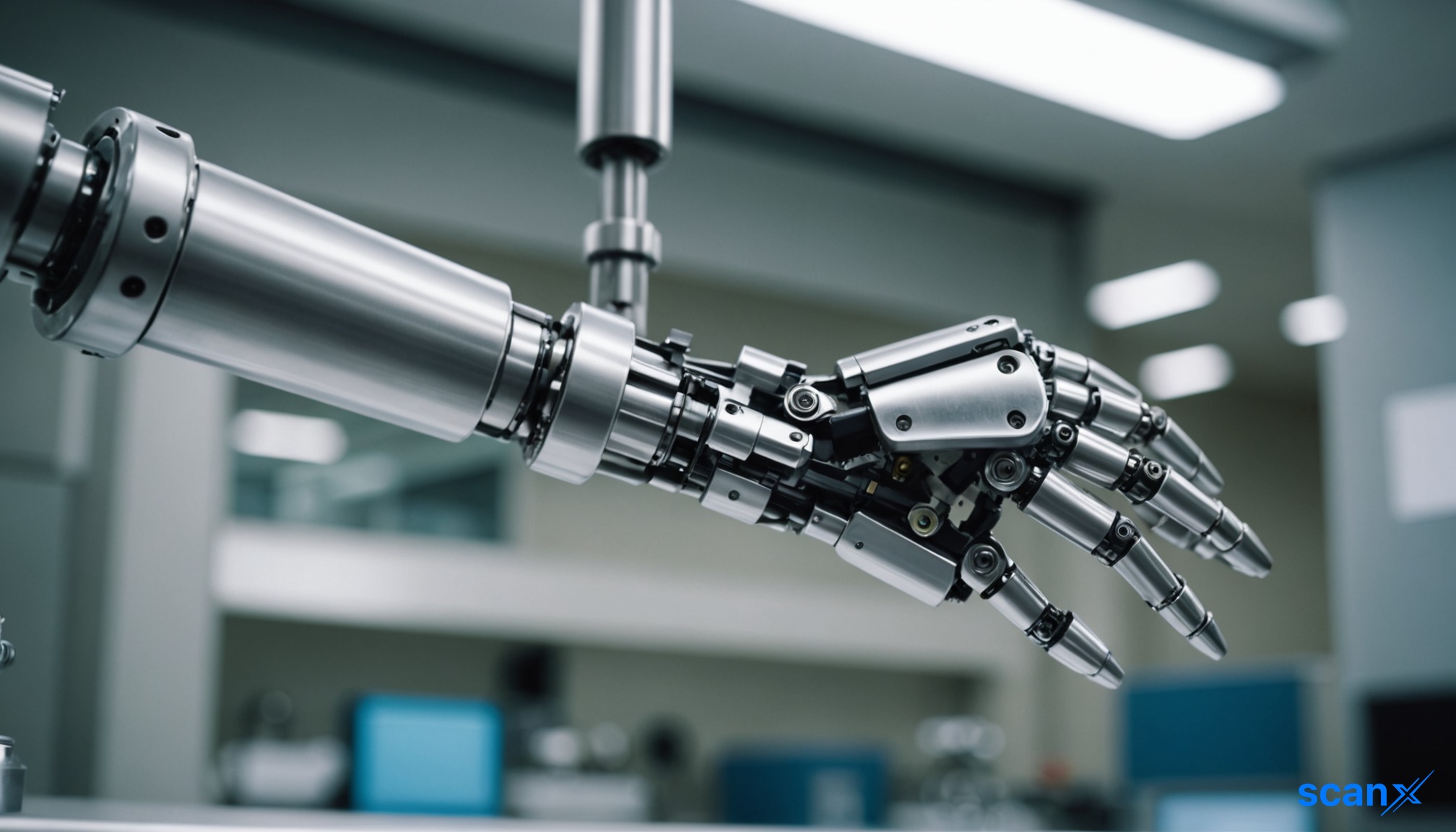

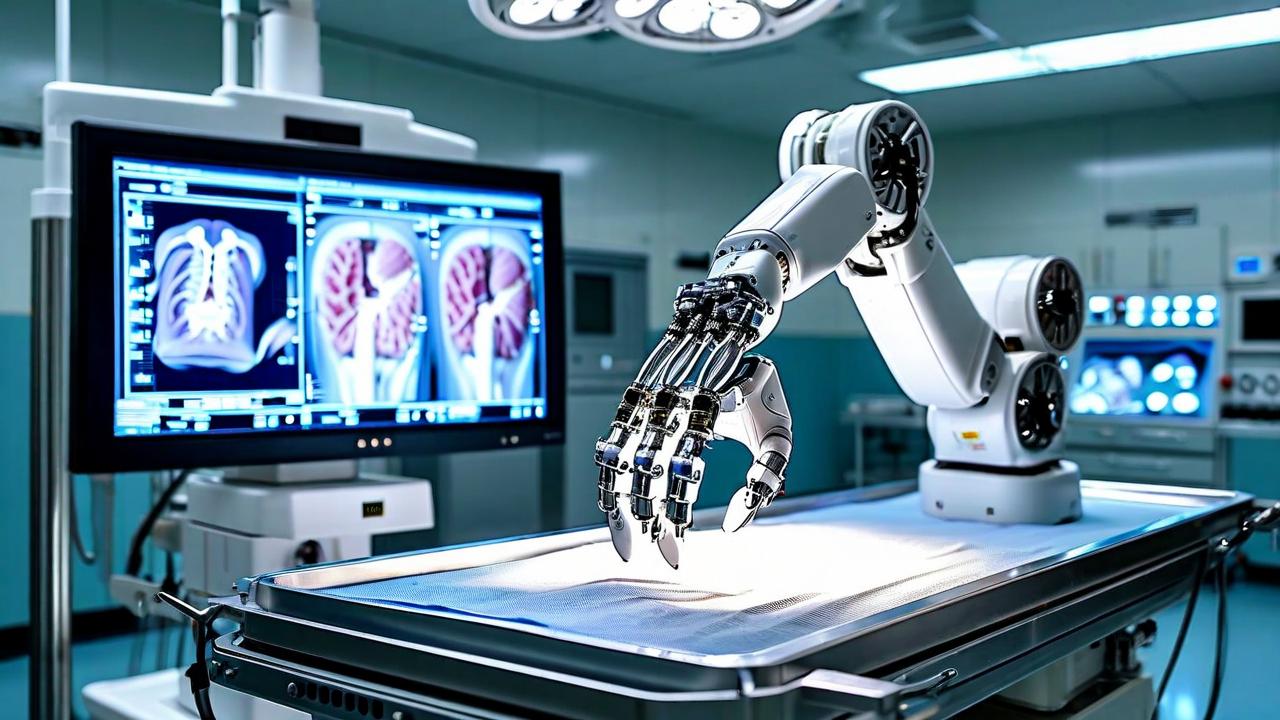
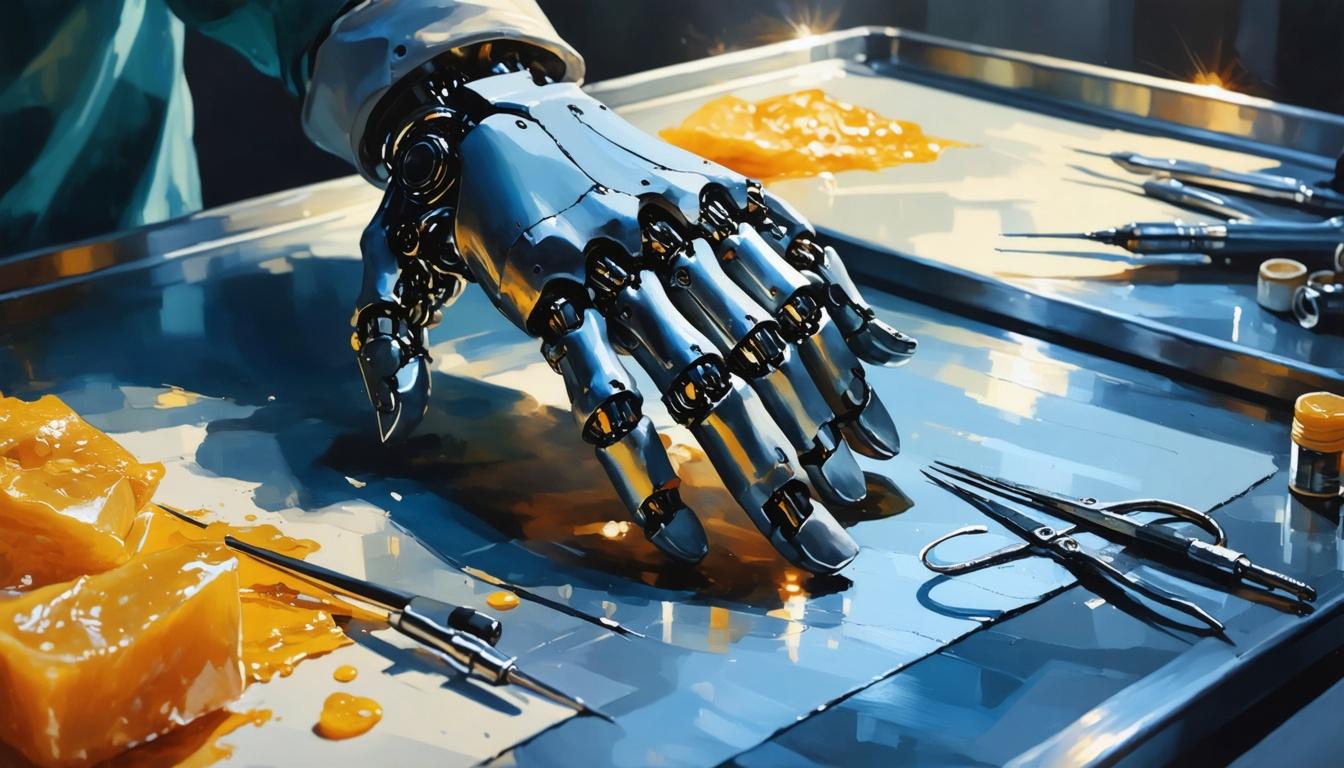
*this image is generated using AI for illustrative purposes only.
RoboStrategy Inc (NASDAQ: BOT) CEO Andrew Kang argues that specialized robotics companies, exemplified by Intuitive Surgical Inc (NASDAQ: ISRG), may offer greater investment value than general-purpose humanoid projects like Tesla Inc (NASDAQ: TSLA) Optimus.
Kang contends that dominating a single major labor market is sufficient to build a company worth hundreds of billions or even $1 trillion. This perspective contrasts with the broader ambition of creating a general-purpose humanoid capable of handling diverse physical tasks.
Specialized dominance drives valuation
Kang expects robotics valuations to diverge significantly, mirroring trends in the AI sector. Companies that fail to meet growth expectations or technological benchmarks will likely struggle, while those achieving scaled commercial deployment in specific sectors could see valuations rise.
According to Kang, the winners will be those that either solve general physical intelligence or harden their AI and hardware systems to dominate specific physical labor sectors. He identifies welding, material handling, and commercial services as large pools of physical work where specialized robots can prove economic value faster than generalists.
Intuitive Surgical as the blueprint
Intuitive Surgical provides a public-market example of this specialized success. The company has built a dominant position in robotic-assisted surgery without developing a general-purpose machine. Its da Vinci systems are designed specifically to assist surgeons in performing minimally invasive procedures.
The financial scale of this niche focus is substantial. Intuitive Surgical reported $10.1 billion in revenue for 2025, marking a 21% increase from the prior year. The company ended 2025 with more than 11,100 da Vinci systems installed globally.
| Metric | Value | Context |
|---|---|---|
| Revenue (2025) | $10.1 billion | Up 21% YoY |
| Installed Systems | >11,100 | End of 2025 |
| Procedures Performed | ~3.15 million | In 2025 |
| Market Cap (Sept 29) | ~$145 billion | As of Sept 29 |
As of September 29, Intuitive Surgical held a market capitalization of roughly $145 billion. This valuation supports Kang’s argument that a robot does not need to replicate the full range of human movement to support a massive business; it needs to become indispensable in a large, repeatable workflow.
Tesla pursues broader ambition
Tesla is explicitly pursuing the general-purpose version of robotics. The company describes Optimus as a bipedal autonomous humanoid designed to perform unsafe, repetitive, or boring tasks. This ambition aims to open a much larger addressable market but presents a more demanding technological challenge involving perception, movement, dexterity, and physical interaction.
What the numbers show
The divergence between Intuitive Surgical’s performance and the theoretical potential of general-purpose robots highlights a key market dynamic. Intuitive Surgical achieved $10.1 billion in revenue and a $145 billion market cap by solving one specific problem: minimally invasive surgery. In contrast, Tesla’s Optimus targets a wide array of tasks, which requires solving complex general physical intelligence issues before widespread commercial viability is proven. Kang’s analysis suggests that investors should watch both paths, but the faster path to massive valuation may lie in narrow markets where robots can prove their economic value quickly.

How might the projected valuation divergence between specialized and general-purpose robotics firms influence institutional capital allocation in the sector over the next 12-24 months?
What specific regulatory or reimbursement hurdles could accelerate or delay the commercial scaling of specialized robotics in high-value sectors like welding and material handling?
If Tesla’s Optimus faces extended development timelines, could this create a vacuum that allows specialized industrial robotics startups to capture market share before general-purpose solutions mature?
 20





 Access Market Heat-map & Insights
 Create, Save & Share your Screener
 Use 200+ Screening Filters





