GE Aerospace stock returns 37.57% annually over 5 years

scanx
Reviewed by
Radhika SScanX News Team
Key Highlights

GE Aerospace has generated an average annual return of 37.57% over the past five years, outperforming the market by 25.94% on an annualized basis. The company currently holds a market capitalization of $342.20 billion. An investment of $100 made five years ago would be valued at $484.81 today.


powered bylight_fuzz_icon
42587487

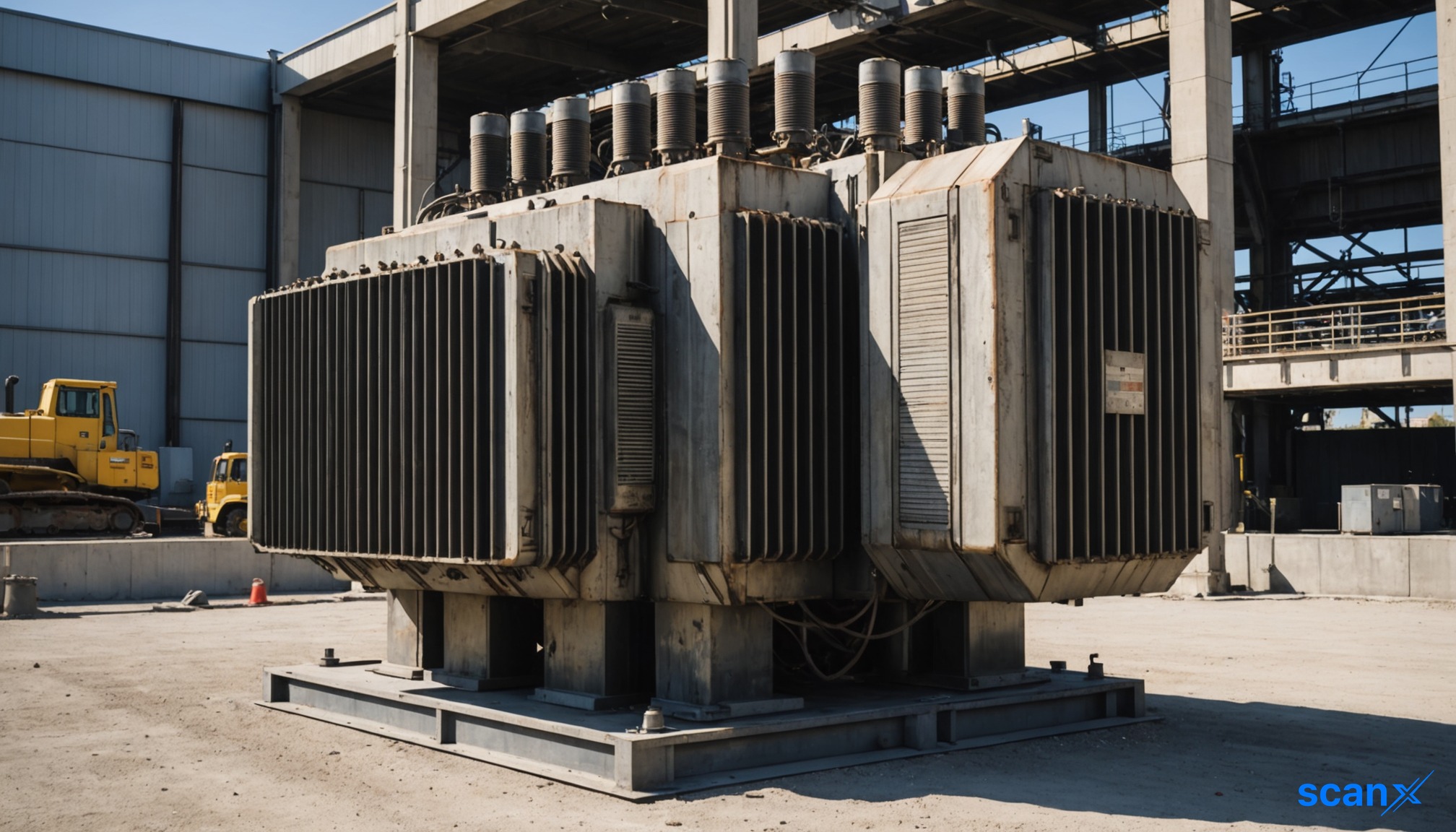
*this image is generated using AI for illustrative purposes only.

GE Aerospace has outperformed the market over the past 5 years by 25.94% on an annualized basis, producing an average annual return of 37.57%. Currently, GE Aerospace has a market capitalization of $342.20 billion.

Investment Growth Analysis

If an investor had bought $100 of GE stock 5 years ago, it would be worth $484.81 today based on a price of $327.99 for GE at the time of writing. This significant growth highlights the impact of compounded returns on investment value over time.

Performance Metrics

Metric Value
Average Annual Return 37.57%
Market Outperformance 25.94%
Current Market Capitalization $342.20 billion
Current Share Price $327.99

The key insight from this performance data is the substantial difference compounded returns can make in cash growth over a period of time.

Disclaimer: This article is AI-generated using data from ViewTrade. ScanX is not liable for any inaccuracies.

Can GE Aerospace sustain its 37.57% average annual return over the next five years?

What factors could drive or hinder GE's future market outperformance?

How might changes in the aerospace industry impact GE's growth trajectory?

like17
dislike

GE Aerospace and Wolfspeed sign MOU for high-voltage silicon carbide

scanx
Reviewed by
Riya DScanX News Team
Key Highlights

GE Aerospace and Wolfspeed have signed a memorandum of understanding to collaborate on accelerating the adoption of high-voltage silicon carbide across industrial, aerospace, and defense markets. The partnership aims to develop standards for silicon carbide-based power modules to support solid-state transformers, industrial electrification, and next-generation aerospace & defense (A&D) platforms while strengthening supply chain resilience.

powered bylight_fuzz_icon
42484626

*this image is generated using AI for illustrative purposes only.

GE Aerospace and Wolfspeed have signed a memorandum of understanding to collaborate on accelerating the adoption of high-voltage silicon carbide across industrial, aerospace, and defense markets. The partnership aims to develop standards for silicon carbide-based power modules to support solid-state transformers, industrial electrification, and next-generation aerospace & defense (A&D) platforms while strengthening supply chain resilience. These higher-voltage power modules will enable systems with fewer series-connected devices and less complexity, resulting in solutions that are more compact, efficient, and reliable.

Strategic Collaboration

Under the MOU, the companies plan to jointly develop standards for high-voltage silicon carbide-based power modules. This initiative targets key applications including solid-state transformers, industrial electrification, and next-generation aerospace & defense platforms. The collaboration is designed to address the growing demand for advanced power solutions in these sectors.

Technical Advantages

The higher-voltage power modules developed through this partnership will offer significant technical benefits. By reducing the number of series-connected devices and overall system complexity, the modules will enable more compact, efficient, and reliable solutions. This advancement is expected to enhance performance across industrial and aerospace applications.

Supply Chain Resilience

A key objective of the collaboration is to strengthen supply chain resilience for high-voltage silicon carbide components. By working together, GE Aerospace and Wolfspeed aim to ensure a stable and reliable supply of critical power modules for their respective markets.

Disclaimer: This article is AI-generated using data from ViewTrade. ScanX is not liable for any inaccuracies.

How will the establishment of these new silicon carbide standards impact the competitive landscape for other power module manufacturers?

What is the projected timeline for the development and commercialization of the first high-voltage power modules under this agreement?

Could this collaboration lead to broader adoption of silicon carbide technology in other sectors beyond industrial and aerospace?

like17
dislike