

Wright says U.S. coordinating with every ship as Hormuz tensions persist


U.S. Energy Secretary Wright accused Iran of holding the world economy hostage through its influence over the Strait of Hormuz, through which 8-9 million barrels of oil transit daily. Wright further disclosed that the U.S. is actively talking and coordinating with every ship in the region, with its ability to escort vessels and bring products through the strait growing. The remarks reflect an expanding U.S. operational and strategic posture over the critical maritime chokepoint.

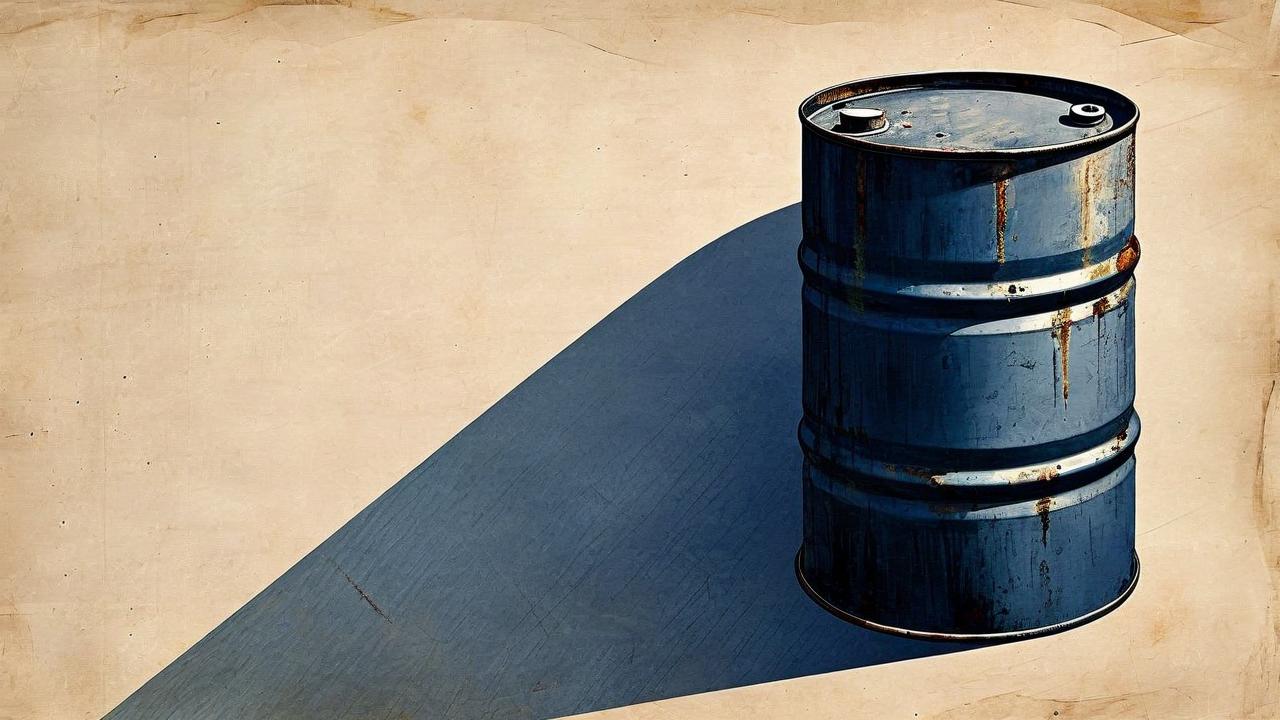

*this image is generated using AI for illustrative purposes only.
U.S. Energy Secretary Wright accused Iran of attempting to hold the world economy hostage, pointing to the critical volume of oil that passes through the Strait of Hormuz. Wright noted that 8-9 million barrels of oil transit the strait daily, underscoring its significance to global energy supply chains. In a further development, Wright stated that the U.S. is talking and coordinating with every ship, with its ability to escort and bring products growing.
U.S. surveillance and strategic coordination
Wright stated that the U.S. maintains awareness of the number of ships transiting into and out of the Strait of Hormuz each day. Beyond monitoring, Wright indicated that U.S. coordination with individual vessels is active and that the capacity to escort ships and deliver products through the waterway is expanding. The remarks signal a deepening U.S. operational posture over one of the world's most strategically important maritime chokepoints.
Key figures and posture
The following table summarises the key parameters cited by Wright in relation to the Strait of Hormuz:
| Parameter: | Details |
|---|---|
| Daily oil transit volume: | 8-9 million barrels |
| Waterway: | Strait of Hormuz |
| U.S. monitoring posture: | Daily ship transit tracking |
| U.S. coordination posture: | Talking and coordinating with every ship |
| U.S. escort capability: | Ability to escort and bring products growing |
Wright's comments reflect the U.S. government's position on Iran's influence over global oil flows through the Strait of Hormuz, a passage through which a substantial volume of the world's seaborne oil moves each day. The additional disclosure on active ship coordination and growing escort capability marks a more operationally detailed statement compared to earlier remarks focused on monitoring alone.

How might the expansion of U.S. escort capabilities in the Strait of Hormuz impact global insurance premiums and shipping logistics costs?
What specific diplomatic or military countermeasures is Iran likely to deploy in response to increased U.S. coordination with individual vessels?
Could this heightened U.S. operational posture accelerate the adoption of alternative energy sources or diversify global oil supply chains away from the Persian Gulf?
 18
18






 Create Custom Screeners
  Access 200+ Pre-built Filters
  Use 50+ Readymade Screener





