US officials meet Houthis in Oman after Red Sea coast seizure

scanx
Reviewed by
Shriram SScanX News Team
Key Highlights
  • US officials met Houthi representatives in Oman over the weekend, according to Reuters sources
  • The meeting followed the Houthis' seizure of a strategic stretch of the Red Sea coast
  • Oman served as the venue, consistent with its role as a regional diplomatic facilitator
  • No details on the outcome or agenda of the talks were disclosed
powered bylight_fuzz_icon
51102990

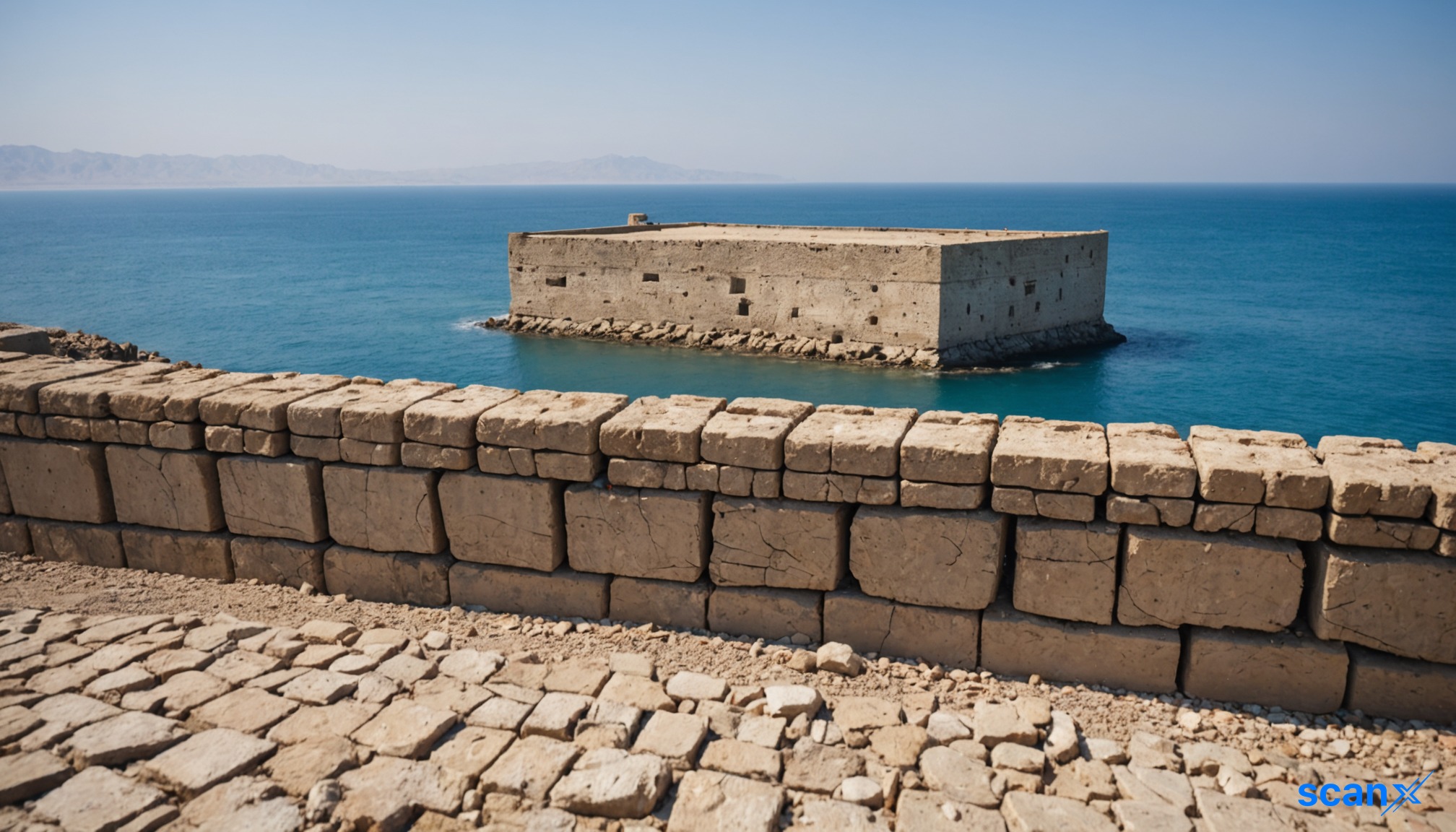
*this image is generated using AI for illustrative purposes only.

US officials met with Houthi representatives in Oman over the weekend, following the Houthis' seizure of a strategic stretch of the Red Sea coast, according to Reuters sources.

Talks held amid escalating Red Sea tensions

The meeting, held in Oman, brought together US officials and Houthi representatives at a time of heightened tensions in the Red Sea region. The talks followed the Houthis' move to seize a strategic stretch of the Red Sea coast, a development that underscored the group's growing assertiveness in one of the world's most critical maritime corridors.

Oman has previously served as a diplomatic back channel for sensitive negotiations involving regional actors, and its role as the venue for these discussions reflects its established position as a neutral facilitator in Middle Eastern diplomacy.

Key details of the meeting

Parameter Details
Parties involved US officials and Houthi representatives
Location Oman
Timing Over the weekend
Trigger Houthi seizure of a strategic stretch of Red Sea coast
Source Reuters sources

The Houthis' control over stretches of the Red Sea coast has drawn international attention given the waterway's significance to global shipping and trade routes. The weekend meeting signals diplomatic engagement between the two sides in the aftermath of the territorial development.

No details regarding the outcome or agenda of the talks were disclosed by Reuters sources.

How might the outcome of these talks influence global shipping insurance premiums and freight rates in the Red Sea corridor?

Will the US seek to link any potential de-escalation in the Red Sea to broader diplomatic resolutions regarding the conflict in Gaza?

Could the Houthis' territorial gains lead to increased military intervention from other regional powers, such as Saudi Arabia or the UAE?

like17
dislike

Brent crude rises to $108.54 as Houthis seize key Yemen port

scanx
Reviewed by
Anirudha BScanX News Team
Key Highlights
  • Houthis seized Yemen's Mocha port and advanced toward Hanish Islands
  • Brent crude rose 0.85% to $108.54/barrel; WTI up 0.78% to $103.28
  • Asian markets fell sharply: Nikkei down 2.95%, KOSPI down 2.39%
  • Only seven vessels crossed Strait of Hormuz on Wednesday
  • Saudi vessels excluded from safe Red Sea navigation by Houthis
powered bylight_fuzz_icon
50637038

*this image is generated using AI for illustrative purposes only.

Iran-backed Houthis seized Yemen’s key Red Sea port of Mocha on Thursday, advancing toward strategic islands and threatening vital shipping routes. The escalation pushed Brent crude above $108 per barrel as global markets reacted to the deepening conflict.

Market Reaction

U.S. stock futures showed mixed performance on Thursday evening. Dow futures rose 93 points, or 0.18%, to 52,188.00, while S&P 500 futures gained 9.50 points, or 0.13%, to 7,608.00. Nasdaq 100 futures slipped 4.50 points, or 0.02%, to 29,130.75 as of around 8:45 pm EDT.

In commodities, energy prices surged on supply concerns:

Commodity Price Change
WTI crude oil $103.28 per barrel +0.78%
Brent crude $108.54 per barrel +0.85%
Natural gas $2.832 per MMBtu -0.07%

The U.S. dollar index stood at 99.070, down 0.02%. Asian markets traded lower, with South Korea’s KOSPI falling 2.39% to 6,865.99 and Japan’s Nikkei 225 declining 2.95% to 63,344.86.

Strategic Implications

Yemeni government military sources reported that the Houthis captured Mocha and moved toward the Hanish Islands, increasing leverage over the Bab el-Mandeb Strait. This waterway links the Red Sea with the Gulf of Aden and serves as a critical maritime chokepoint.

Control of this route provides Iran and its allies with a potential pressure point over global energy shipments. This development compounds existing disruptions in the Strait of Hormuz, through which roughly one-fifth of global oil supplies previously passed. Preliminary tracking data showed only seven vessels crossed the Strait of Hormuz on Wednesday.

The Houthi-controlled humanitarian operations center stated that Red Sea navigation remains safe for most shipping companies but warned that Saudi vessels are excluded. This exclusion is significant as Saudi Arabia increasingly relies on the Red Sea route after the conflict restricted access through Hormuz.

Political Context

The escalation complicates President Donald Trump’s efforts to end the conflict. Trump has stated he expects the Iran war to conclude after the November midterm elections. U.N. officials warned that Yemen was entering a "new and more dangerous phase," while the U.S. accused the Houthis of acting as Iranian proxies.

How might the Houthi control of Mocha and the Hanish Islands force a permanent rerouting of global shipping lanes, and what is the estimated long-term cost impact on logistics?

Will the disruption of the Bab el-Mandeb Strait accelerate the shift of Saudi Arabian oil exports away from the Red Sea route, potentially increasing vulnerability in the Strait of Hormuz?

Could the surge in Brent crude above $108 trigger emergency releases from the Strategic Petroleum Reserve or coordinated OPEC+ production increases to stabilize energy markets?

like19
dislike