NewsGlobalUS Defends Trump's Tariff Powers in Supreme Court: India-Russia Oil Purchases in Focus
US Defends Trump's Tariff Powers in Supreme Court: India-Russia Oil Purchases in Focus


Commerce Secretary Howard Lutnick has defended former President Trump's use of tariff powers against India before the Supreme Court. The case examines the legality of emergency tariffs imposed under the 1977 International Emergency Economic Powers Act. Trump's administration imposed a 50% total duty on India, citing national security concerns related to India's oil purchases from Russia. Lutnick argued these tariffs were a diplomatic tool to pressure India to cease Russian oil purchases. India has opposed the tariffs, calling them unfair and unjustified. The Supreme Court's decision could have significant implications for presidential powers and international trade relations.
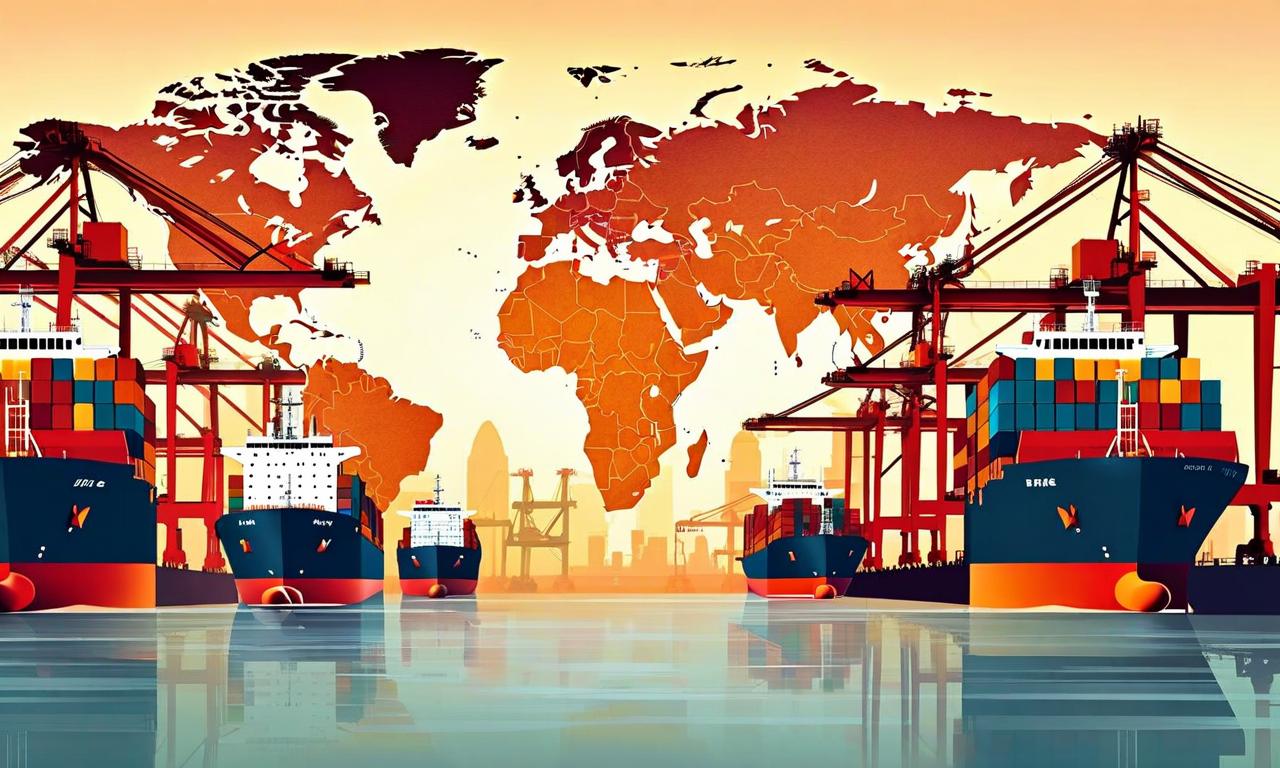
*this image is generated using AI for illustrative purposes only.
In a significant development concerning US-India trade relations, Commerce Secretary Howard Lutnick has defended former President Trump's use of tariff powers before the Supreme Court. The case examines the legality of emergency tariffs imposed under the 1977 International Emergency Economic Powers Act, with particular focus on India's oil purchases from Russia.
Tariff Imposition and Justification
The Trump administration imposed substantial tariffs on India, citing national security concerns:
| Tariff Type | Rate |
|---|---|
| Reciprocal Tariff | 25.00% |
| Additional Levy (Russian Oil Purchase) | 25.00% |
| Total Duties | 50.00% |
Lutnick argued that these tariffs were employed as a diplomatic tool to pressure India into ceasing its Russian oil purchases, aiming to help end the conflict in Ukraine. The Commerce Secretary's defense comes as the Supreme Court reviews whether Trump's use of emergency powers to impose sweeping reciprocal tariffs on multiple countries, including India, was within legal bounds.
India's Response and US Justification
India has vocally opposed these tariffs, describing them as "unfair, unjustified and unreasonable." However, the Trump administration maintains that the tariffs were necessary to address the national emergency stemming from Russia's war in Ukraine.
Diplomatic Developments
Despite the legal battle, there are indications of potential diplomatic progress:
- Trump claims to have received assurances from India regarding a reduction in Russian oil imports.
- India, however, maintains that its energy policy is guided by national interest and the need to ensure affordable supplies.
Supreme Court's Role
The Supreme Court's decision in this case could have far-reaching implications for presidential powers and international trade relations. The court is tasked with determining whether the use of emergency powers for imposing such sweeping tariffs falls within the legal framework of the United States.
This case highlights the complex interplay between international trade, diplomacy, and national security. As the Supreme Court deliberates, the outcome could significantly impact future US trade policies and its relationships with key partners like India.
The situation underscores the delicate balance countries must strike between their economic interests, diplomatic relationships, and broader geopolitical considerations. As the case unfolds, it will be crucial to monitor how it shapes US-India trade relations and influences global trade dynamics in an increasingly interconnected world.
 17
17