US-Argentina Trade Deal: A Boost for Bilateral Economic Relations


The United States and Argentina have reached a bilateral trade agreement, enhancing market access for US products like medicines, chemicals, machinery, IT products, and medical devices. Argentina will benefit from tariff removals on certain natural resources and improved beef trade conditions. The deal is accompanied by a $20 billion US financing package to support Argentina's economic stabilization, set to be provided ahead of October 2026 midterm elections. This agreement marks a significant development in US-Argentina economic relations and represents a political milestone for President Javier Milei's administration.
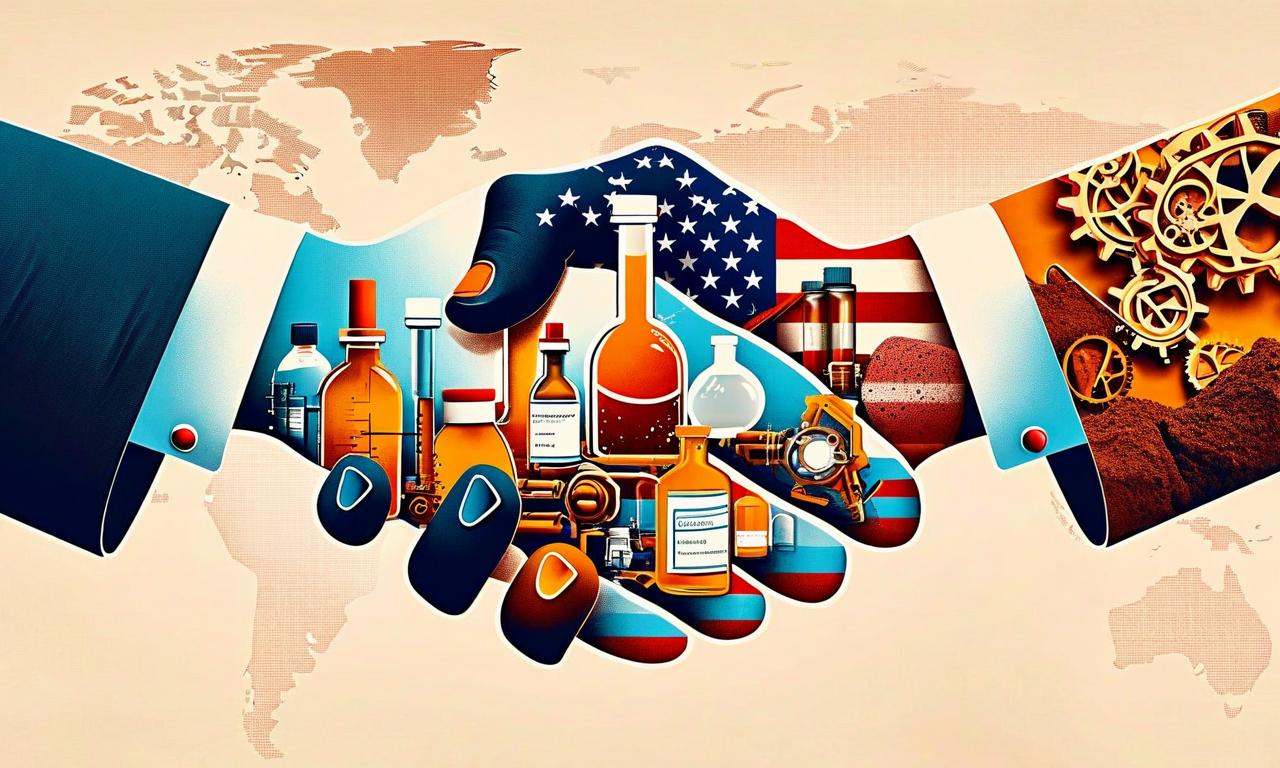
*this image is generated using AI for illustrative purposes only.
The United States and Argentina have successfully negotiated a bilateral trade agreement, marking a significant milestone in their economic relationship. This deal aims to enhance market access for a wide range of American products while also potentially benefiting Argentina's economy.
Key Points of the Agreement
| Aspect | Details |
|---|---|
| US Goods Benefiting | Medicines, chemicals, machinery, IT products, medical devices |
| Reciprocal Measures | Removal of tariffs on certain natural resources |
| Agricultural Impact | Improved conditions for beef trade |
Political Implications
The trade agreement represents a notable political development for Argentina's President Javier Milei. It demonstrates his administration's efforts to forge international economic ties and may influence his domestic standing.
US Support Package
Alongside the trade deal, the United States has committed to providing financial support to Argentina:
- Total Financing: $20.00 billion
- Timeframe: Ahead of October 2026 midterm elections
- Purpose: To assist Argentina's economic stabilization efforts
Broader Context
This agreement is part of a larger strategy by both nations to strengthen their economic ties. For the US, it may open up new markets for its goods, particularly in high-value sectors like pharmaceuticals and technology. For Argentina, it could provide an opportunity to attract investment and potentially stimulate economic growth.
The timing of this deal and the accompanying financial support package suggests a strategic move by both countries. It might help Argentina address some of its economic challenges while also potentially influencing the political landscape leading up to the 2026 midterm elections.
Conclusion
The US-Argentina trade deal marks a significant step in bilateral relations between the two countries. By aiming to open markets and providing financial support, this agreement has the potential to create mutual economic benefits and strengthen diplomatic ties. As the implementation unfolds, observers will be keen to see how this translates into tangible economic outcomes for both nations.
 15
15