US Agricultural Export Push: A Complex Interplay of Economics, Politics, and Trade


The United States is prioritizing agricultural exports in trade negotiations with India and China, despite agriculture's small contribution to the US economy. This strategy is driven by the US's mechanization advantage, trade tensions with China leading to surplus soya stocks, and the strong political influence of the agricultural lobby. The push presents challenges for India, including issues with GM crops and resistance to agricultural reforms. This situation highlights the complex interplay between economic considerations, geopolitical relationships, and domestic political pressures in shaping global agricultural policy.

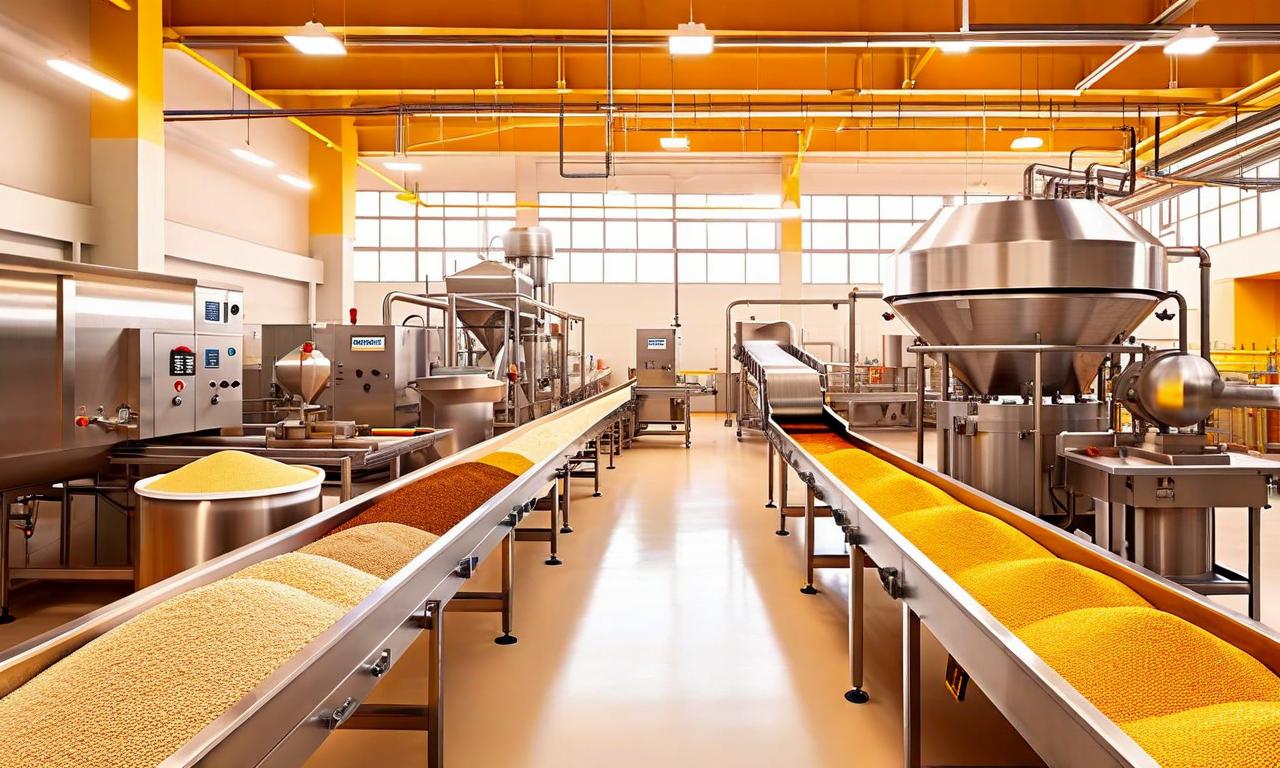
*this image is generated using AI for illustrative purposes only.
The United States is making a significant push to increase its agricultural exports in trade negotiations with India and China, despite the sector's relatively small contribution to the US economy. This move highlights the intricate relationship between domestic politics, international trade, and economic strategy.
Key Drivers of US Agricultural Export Push
Mechanization Advantage: The US agricultural sector benefits from advanced mechanization, allowing for competitive production on large farms with sophisticated harvesting equipment. This technological edge enables profitable production of crops like corn and soya.
Trade Tensions with China: Recent trade disputes with China have led to a surplus in US soya stocks. This oversupply situation has emerged as China significantly reduced its imports of US agricultural products in response to trade tensions.
Political Influence: The agricultural lobby in the US wields substantial political power, often financing political campaigns. This influence translates into strong support for agricultural interests in trade negotiations.
Economic Context
Despite the push for increased agricultural exports, it's important to note the sector's relatively small role in the overall US economy:
| Economic Indicator | Agriculture Sector |
|---|---|
| Contribution to GDP | Less than 1% |
| Employment | 2% of population |
Challenges for India
The US push for increased agricultural exports presents several challenges for India:
Genetically Modified (GM) Crops: While the US allows GM crops, India restricts them to protect its exports to Europe, where GM regulations are strict.
Domestic Use vs. Export: Non-GM corn could potentially be used domestically in India for ethanol production. However, this faces resistance from the farmer lobby.
Agricultural Reforms: There is strong resistance to agricultural reforms from the Indian farmer lobby, complicating trade negotiations.
Global Implications
This situation exemplifies how global agricultural policy is shaped by a complex interplay of factors:
- Economic considerations
- Geopolitical relationships
- Domestic political pressures
As trade negotiations continue, these multifaceted influences will likely play a crucial role in determining the outcome and future direction of agricultural trade between the US, India, and China.
Conclusion
The US push for increased agricultural exports, despite the sector's small economic footprint, underscores the significant role that agriculture plays in international trade relations. It highlights how sectors can have outsized influence on trade policy due to political considerations, technological advantages, and global market dynamics. As negotiations progress, it will be crucial to monitor how these various factors interact and shape the future of global agricultural trade.
 19
19