

Uralchem Plans Major Urea Plant with 1.8-2 Million Ton Annual Capacity


Russia's Uralchem is developing a new urea production plant with an expected annual capacity of 1.8-2 million tons. The project involves a partnership with Togliattiazot JSC for ammonia supply and is funded by Indian firms. This significant investment in Russia's chemical industry could potentially impact the global urea market.

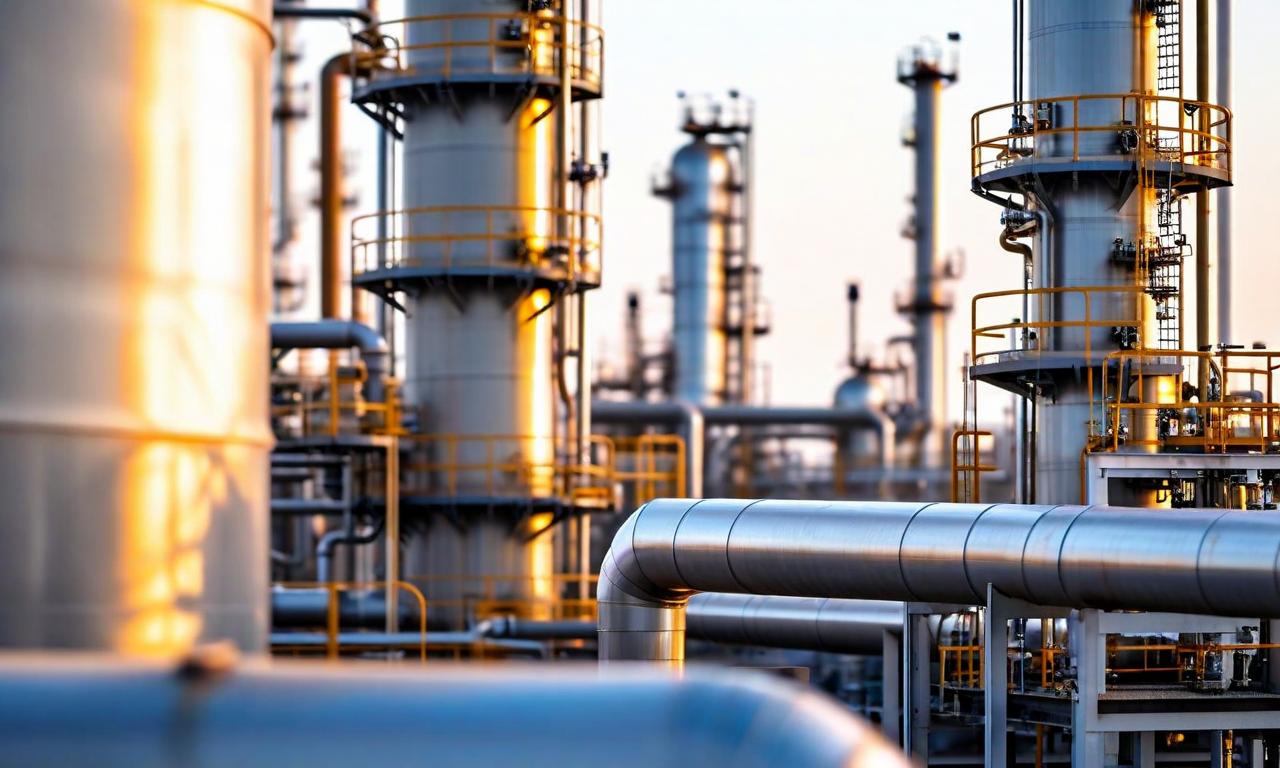

*this image is generated using AI for illustrative purposes only.
Russia's Uralchem is making significant strides in the fertilizer industry with plans to develop a new urea production plant. The company has announced a partnership with Togliattiazot JSC for ammonia supply, which will support the operation of this ambitious project.
Project Details
| Aspect | Details |
|---|---|
| Company | Uralchem |
| Project | Urea production plant |
| Expected Annual Production | 1.8-2 million tons |
| Key Partnership | Togliattiazot JSC (for ammonia supply) |
| Funding Source | Indian firms |
Project Significance
The planned urea plant represents a substantial investment in Russia's chemical industry. With an expected annual production capacity of 1.8-2 million tons, the plant could significantly boost Uralchem's position in the global fertilizer market.
Funding and Operations
In an international collaboration, Indian firms are set to provide funding for the project. This financial support will continue until the plant becomes fully operational, highlighting the global interest in this venture.
Supply Chain Integration
The partnership with Togliattiazot JSC for ammonia supply is a crucial aspect of this project. This collaboration aims to ensure a steady supply of a key raw material for urea production, potentially leading to more efficient operations and cost management.
Market Implications
While specific market implications are not detailed in the available information, a production capacity of this scale could potentially impact the global urea market. Urea, as a widely used nitrogen fertilizer, plays a significant role in agriculture worldwide.
As the project progresses, it will be important to monitor how this new capacity may affect market dynamics, both within Russia and in the international fertilizer trade.
 15
15






 Access Market Heat-map & Insights
  Create, Save & Share your Screener
  Use 200+ Screening Filters





