

UN Forum calls for faster public-private action on clean energy


- UN leaders and over 100 CEOs urge faster public-private cooperation for clean energy transition
- Key barriers identified include grid infrastructure gaps, regulatory uncertainty, and financing constraints
- Discussions focused on using blended finance and risk-sharing to mobilize private capital in emerging markets
- Energy security and supply chain resilience cited as strategic drivers alongside climate goals

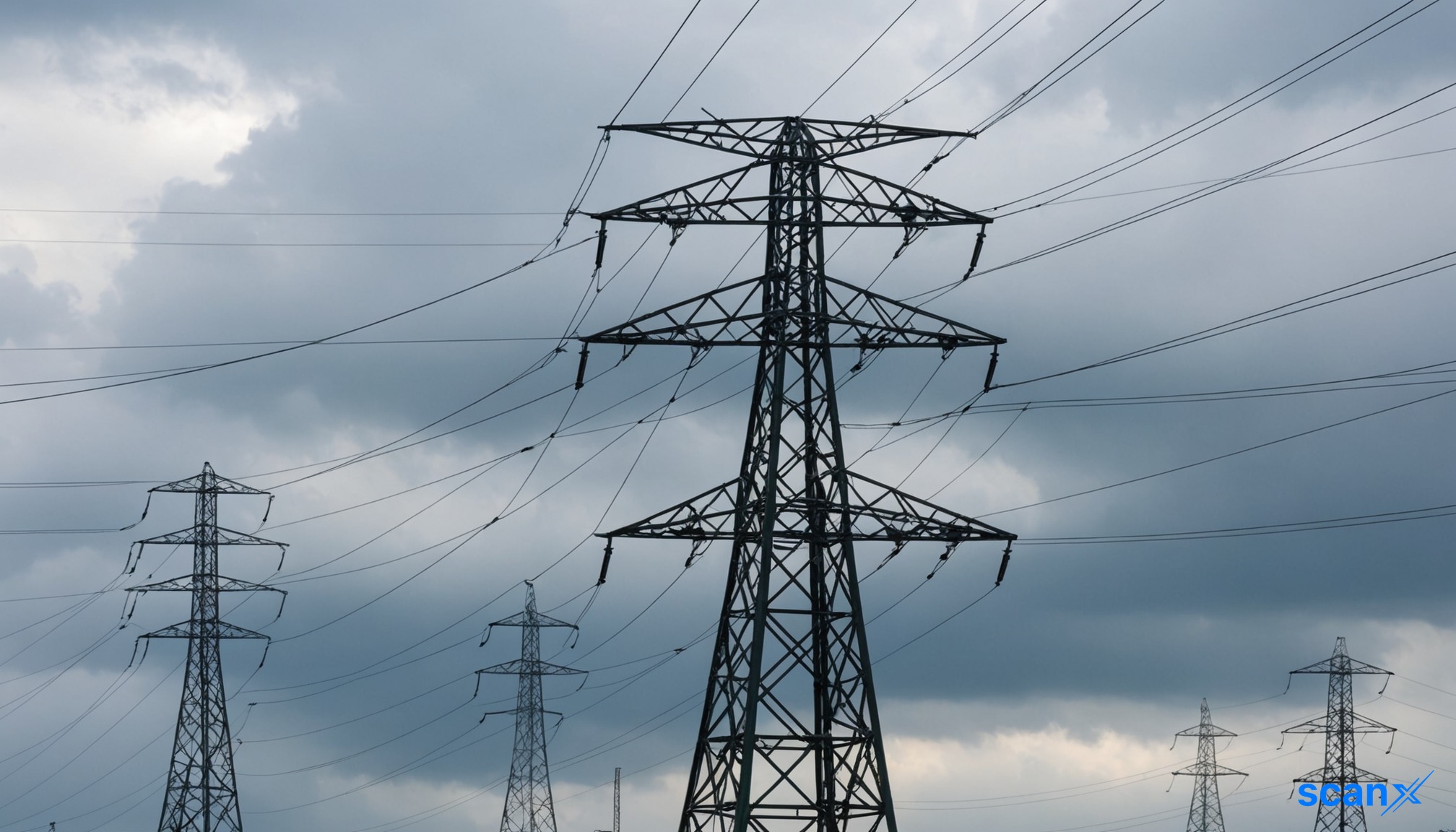

*this image is generated using AI for illustrative purposes only.
United Nations leaders and corporate executives called for accelerated public-private cooperation to drive clean energy investment and infrastructure development. The appeal emerged as the 2026 United Nations Private Sector Forum concluded in New York on Sept. 20, 2026.
Hosted by the UN Global Compact on behalf of Secretary-General António Guterres, the invitation-only event gathered more than 100 chief executive officers, heads of state, and senior decision-makers. Participants focused on closing the gap between existing commitments and the pace required to keep the 1.5°C climate goal within reach.
Investment and Infrastructure Barriers
Participants identified growing private-sector demand for clean power and falling technology costs as key drivers for investment opportunities. However, they highlighted persistent deployment barriers, including insufficient grid infrastructure, regulatory uncertainty, financing constraints, and limited energy access in emerging markets.
Sanda Ojiambo, CEO and Executive Director of the United Nations Global Compact, emphasized that ambition and capital alone are insufficient. She stated that grids, policy frameworks, and financing structures are needed to move investment from balance sheets into the real economy.
Policy and Security Priorities
Guterres urged companies to use their capital, supply chains, and purchasing power to supercharge the renewables revolution. He highlighted the need to invest in clean power, energy efficiency, and future infrastructure.
Discussions also addressed geopolitical uncertainty and supply chain disruptions, which have increased the strategic importance of secure and diversified energy systems. Leaders examined practical financing approaches, including blended finance and risk-sharing mechanisms, to mobilize private capital in high-risk markets.
What the Numbers Show
The forum’s composition underscores a shift toward direct dialogue between private capital allocators and policy makers. With more than 100 CEOs present alongside heads of state, the event signals an attempt to align corporate capital deployment directly with national energy security and climate objectives, rather than treating them as separate agendas.

Which specific emerging markets are expected to be the primary beneficiaries of the proposed blended finance and risk-sharing mechanisms?
How might the identified regulatory uncertainties in key regions impact the timeline for achieving the 1.5°C climate goal by 2030?
What concrete policy reforms are governments likely to introduce to address the grid infrastructure deficits highlighted by UN Global Compact leadership?
 19
19







 Access 50+ Readymade Screeners
  Use 200+ Custom Filters
  Get Full Market Insights





