Trump weighs US strikes on Houthis after deadly Saudi airport attack

scanx
Reviewed by
Shriram SScanX News Team
Key Highlights
  • A missile strike on Riyadh’s King Khalid International Airport killed 12 people, including one U.S. citizen
  • President Donald Trump stated he is considering joining Saudi military operations against Houthi rebels
  • More than 300 people were injured in the attack, which Saudi authorities labeled a war crime
  • Regional tensions rose as Iran-aligned forces attacked a tanker near Qatar and threatened oil shipping routes
powered bylight_fuzz_icon
53242271

*this image is generated using AI for illustrative purposes only.

President Donald Trump is considering joining Saudi military operations against Iran-backed Houthi rebels in Yemen. This follows a deadly missile strike on King Khalid International Airport in Riyadh that killed 12 people, including one American citizen.

The attack, which injured more than 300 others, targeted terminals serving domestic flights. Saudi authorities and the Saudi-led coalition blamed the Houthis, describing the strike as a "fully-fledged war crime" and vowing a firm response. The victims included nationals from Saudi Arabia, Bangladesh, Egypt, Jordan, Palestine, Syria, and Sudan.

Trump signals possible intervention

Trump stated he was weighing U.S. involvement in Saudi strikes against the rebels. "We may. We’re going to look at it," Trump told reporters. "We just found out about the recent attack. So we’ll make a decision. We move very quickly." He later confirmed plans to speak with Saudi Crown Prince Mohammed bin Salman, calling the incident "not acceptable."

Secretary of State Marco Rubio condemned the strike after confirming the death of an American citizen. "These reprehensible attacks demonstrate a blatant disregard for innocent civilian life. They must stop now," Rubio said.

Regional tensions escalate

The airport attack occurred amid a broader escalation involving Iran and Houthi forces. Late Wednesday, separate attacks were carried out in the region, including a strike on a tanker near Qatar and Houthi strikes targeting Saudi Arabia. These actions have threatened oil shipments near the Strait of Hormuz and Bab al-Mandeb Strait.

Brett Erickson, Managing Principal at Obsidian Risk Advisors, warned that disruptions to ship-to-ship oil transfers could severely affect regional oil flows. Earlier this month, Saudi Arabia explored a military offensive against Houthi militants to secure the strategic Bab el-Mandeb shipping route, as the U.S.-Iran conflict disrupted regional logistics.

Last month, Crown Prince Mohammed bin Salman reportedly sought U.S. military assistance, but Trump declined direct strikes and offered intelligence support instead.

Disclaimer: This article is AI-generated using data from ViewTrade. ScanX is not liable for any inaccuracies.

How might direct U.S. military involvement in Yemen impact oil price volatility and insurance premiums for shipping through the Strait of Hormuz?

What are the potential diplomatic consequences for U.S.-Saudi relations if Washington declines further military support after this incident?

Could escalating Houthi attacks on critical infrastructure trigger a broader regional conflict involving Iranian proxy forces beyond Yemen?

like20
dislike

Trump admin official attends TOYO solar factory opening in Texas

scanx
Reviewed by
Ritika DScanX News Team
Key Highlights
  • Trump administration official attended TOYO's Texas solar factory opening
  • Facility creates 100 jobs now, with plans to reach 750 total positions
  • Shift contrasts with Trump's prior 'scam of the century' solar comments
  • White House release emphasizes manufacturing jobs over clean energy goals
powered bylight_fuzz_icon
53046659

*this image is generated using AI for illustrative purposes only.

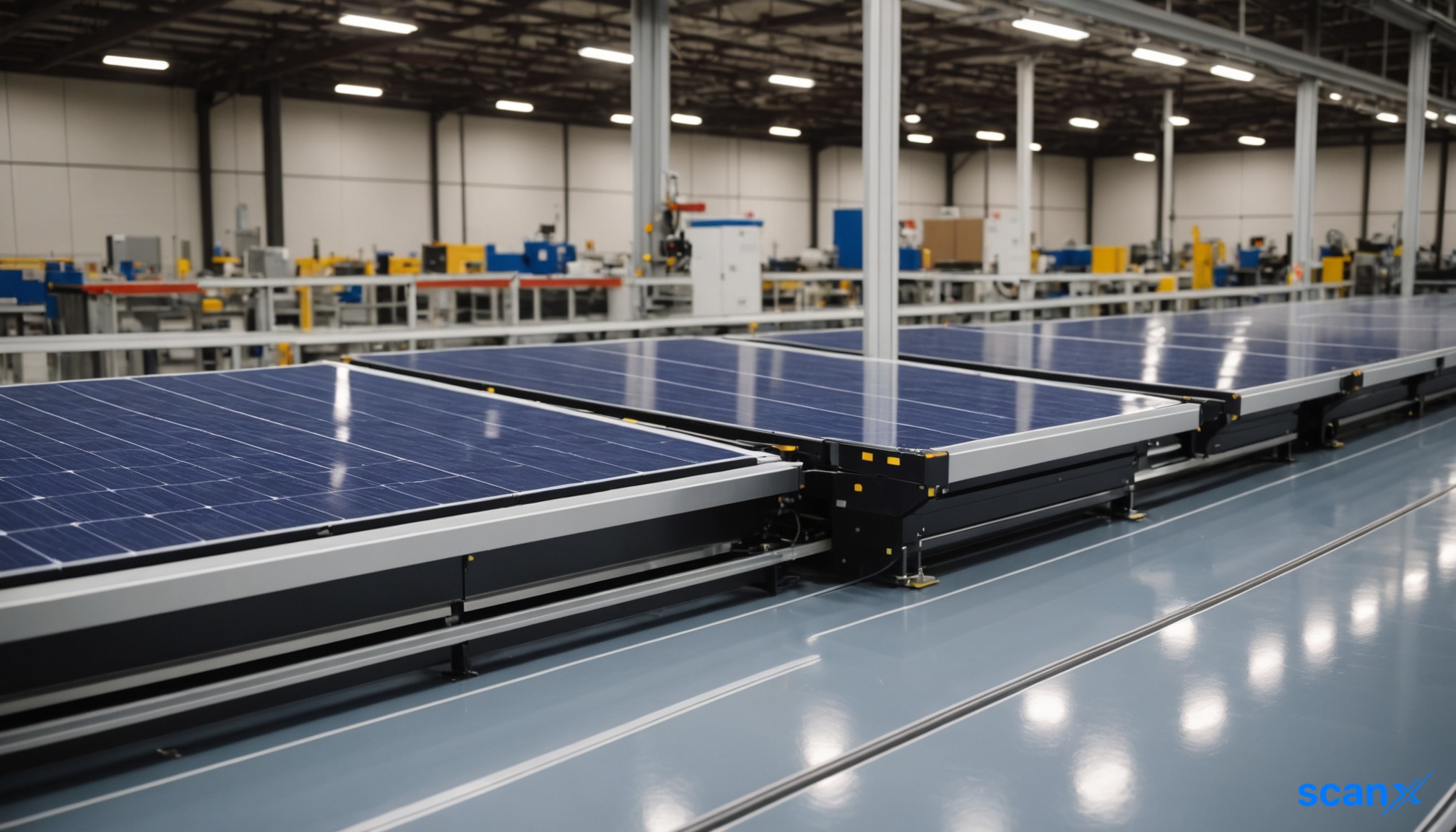
President Donald Trump’s administration signaled a pragmatic shift on clean energy by endorsing a new solar manufacturing facility in Texas. Jeffrey Kessler, Under Secretary for Industry and Security at the U.S. Department of Commerce, attended the ribbon-cutting ceremony for Japanese company TOYO’s Humble facility, contrasting with previous harsh rhetoric against solar projects.

The event highlights a divergence between Trump’s past characterization of solar energy as a "scam of the century" and the current administration’s emphasis on domestic manufacturing and job growth. While the administration halted approvals for wind and solar projects in August 2025, this endorsement focuses on industrial capacity rather than renewable energy generation policy.

Job creation drives policy support

TOYO’s investment is framed by the White House as a success of policies aimed at bringing manufacturing back to America. The facility currently employs approximately 100 workers, with plans to expand to 750 jobs through a future solar cell operation. This job creation narrative appears to be the primary driver for the administration’s positive engagement.

Metric Current Status Future Plan
Jobs Created 100 750
Location Humble, Texas Humble, Texas
Parent Company TOYO (Japan) TOYO (Japan)

Jeffrey Kessler stated that TOYO’s announcement was "the direct result of the Trump Administration’s bold policies to bring manufacturing and jobs back to America," describing the company as making an "important contribution to America’s manufacturing renaissance." The White House press release cited these jobs without mentioning solar energy benefits, focusing instead on economic metrics.

What the Numbers Show

The data reveals a strategic pivot from ideological opposition to transactional support based on employment figures. While Trump publicly criticized solar energy and halted project approvals in August 2025, the administration simultaneously celebrated a solar manufacturer’s job creation. The jump from 100 existing jobs to a projected 750 positions represents a 650% potential increase in local employment, providing a tangible metric for political messaging that bypasses the contentious debate over renewable energy efficacy.

This approach places Energy Secretary Chris Wright, who has previously criticized solar technology, in a complex position. The administration’s willingness to highlight solar manufacturing successes suggests that job creation numbers may outweigh previous ideological stances, potentially influencing investor sentiment toward companies with significant US-based manufacturing footprints.

Disclaimer: This article is AI-generated using data from ViewTrade. ScanX is not liable for any inaccuracies.

Will the administration's support for TOYO's manufacturing facility lead to a broader relaxation of restrictions on domestic solar installation projects?

How might other foreign clean-tech manufacturers adjust their US investment strategies in response to this shift toward job-centric policy endorsements?

Could this precedent create internal friction within the Department of Energy as it balances ideological opposition to renewables with the political benefits of manufacturing jobs?

like15
dislike