

Trump cites 318% Iran inflation, expects war end soon


- Trump claims Iran inflation hit 318% as of this morning
- President expects war to end "very soon" with oil prices falling
- Dow futures rose 0.23% while WTI crude fell 1.61% to $98.69
- Trump declined to confirm if strikes end before midterms

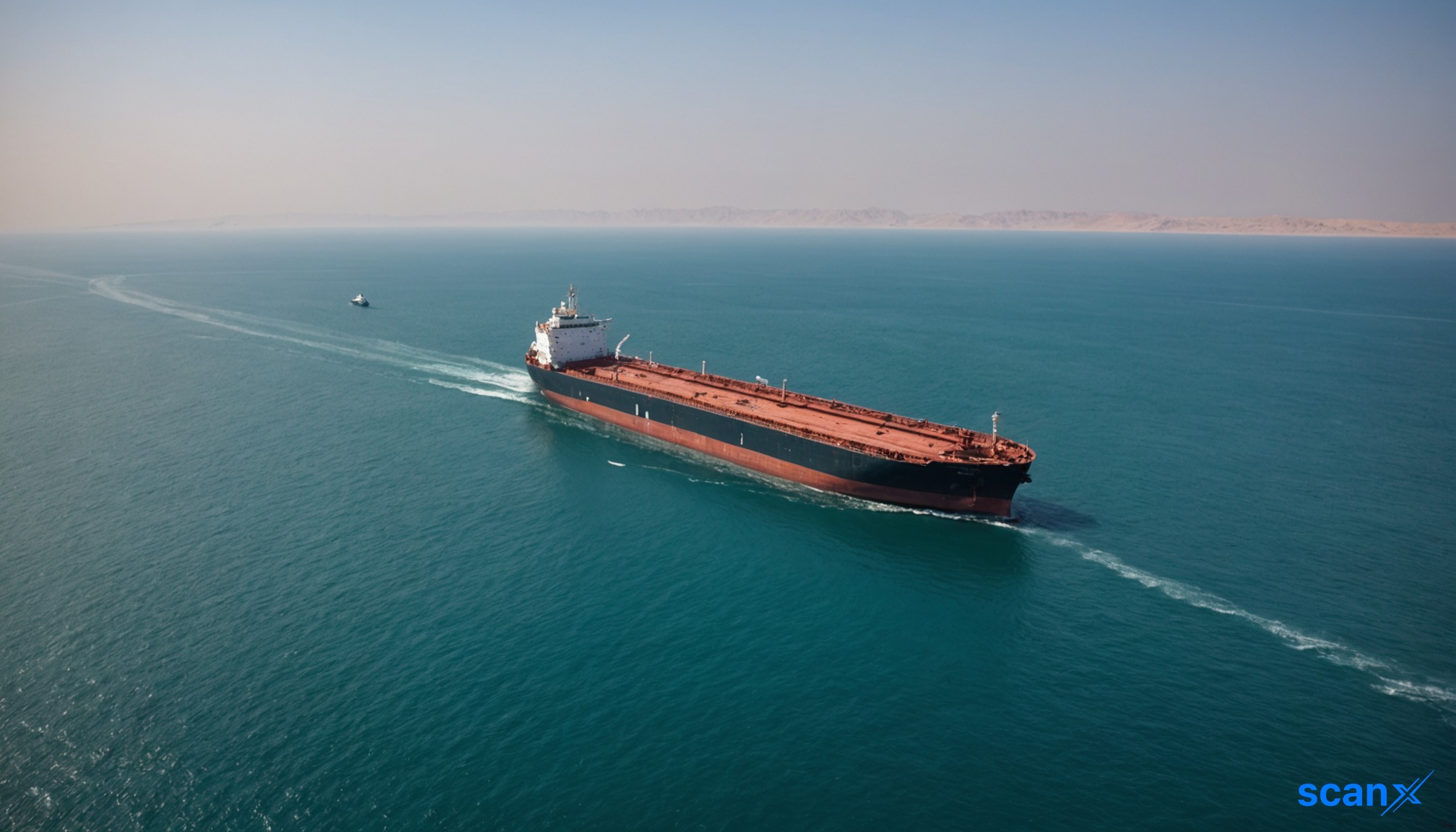

*this image is generated using AI for illustrative purposes only.
President Donald Trump stated the U.S. will win against Iran in both military and economic warfare. He claimed Iranian inflation stood at 318% as of this morning and expressed expectation that the conflict would end "very soon," leading to a decline in oil prices.
Market Reaction
US equity futures advanced in early trading. Dow futures rose 120 points, or 0.23%, to 52,199.00. S&P 500 futures gained 26 points, or 0.34%, to 7,738.50. Nasdaq 100 futures advanced 164 points, or 0.55%, to 30,081.25 as of around 8:48 p.m. EDT.
Asian markets also traded higher. South Korea’s KOSPI rose 0.73% to 6,944.56. Japan’s Nikkei 225 gained 1.38% to 65,018.95.
In commodities, prices moved lower despite the geopolitical risks. WTI crude oil fell 1.61% to $98.69 per barrel. Brent crude declined 1.43% to $102.38 per barrel. Natural gas futures fell 1.24% to $2.876 per MMBtu. The U.S. dollar index stood at 100.254, up 0.04%.
Escalating Tensions and Retaliation Threats
Trump outlined three primary paths regarding the conflict: "wiping Iran out," allowing the country to "rot economically," or negotiating a deal. He warned that "they better behave" while expressing uncertainty about the timing of any drastic measures. Trump declined to say whether Iran strikes will end before the midterms.
Iranian officials have responded with threats of retaliation. Iran’s military stated that any new attack would trigger sustained retaliation against U.S. bases and interests. Washington’s regional allies could also be treated as participants in the conflict, Reuters reported.
The confrontation widened over the weekend after Yemen’s Iran-backed Houthi group claimed missile and drone attacks on sensitive targets in Riyadh. The U.S. State Department issued a security alert warning of possible further escalation.
Diplomatic Moves and Energy Disruptions
Diplomatic efforts continue alongside these threats. The Trump administration has permitted a "core delegation" of Iranian officials, including President Masoud Pezeshkian and Foreign Minister Abbas Araghchi, to attend the United Nations General Assembly. Trump indicated he would be open to meeting President Pezeshkian.
Iran has continued restricting shipping through the Strait of Hormuz. Tehran reiterated it will not reopen the strait until conditions tied to a June ceasefire agreement are met. That agreement collapsed in July, stalling diplomatic efforts. The Houthis’ position near the Bab el-Mandeb Strait threatens another major route for energy and commercial shipments.
Former counterterrorism chief Joe Kent warned there is no military solution to the Iran issue. He urged the White House to consider withdrawing troops from the Middle East instead.
What the Numbers Show
The market reaction presents a divergence between geopolitical rhetoric and asset pricing. While Trump escalated threats with a claim of 318% inflation in Iran and predicted an imminent end to hostilities, crude oil prices fell despite ongoing disruptions in the Strait of Hormuz and Bab el-Mandeb. This suggests traders are pricing in a rapid resolution or reduced risk premium rather than sustained supply constraints from the current blockade status.

How might the potential Trump-Pezeshkian meeting at the UN General Assembly influence the trajectory of oil price volatility in Q4?
What are the specific economic indicators that would confirm or refute the claim of 318% Iranian inflation and its impact on regional currency stability?
If the Strait of Hormuz remains restricted, how will global energy traders adjust long-term crude futures curves to account for sustained supply chain disruptions?
 16
16



 Create Custom Screeners
  Access 200+ Pre-built Filters
  Use 50+ Readymade Screener





