

Indian Exporters Face Critical January Deadline As US Trade Talks Continue


Indian exporters across textiles, leather, and handicrafts sectors are confronting an urgent January deadline to secure US orders for the summer season as prolonged trade talks and 50% tariffs force significant production cuts and layoffs. Major companies have reduced production by 20-50% while implementing various survival strategies including market diversification and manufacturing relocation to countries with lower tariff rates.

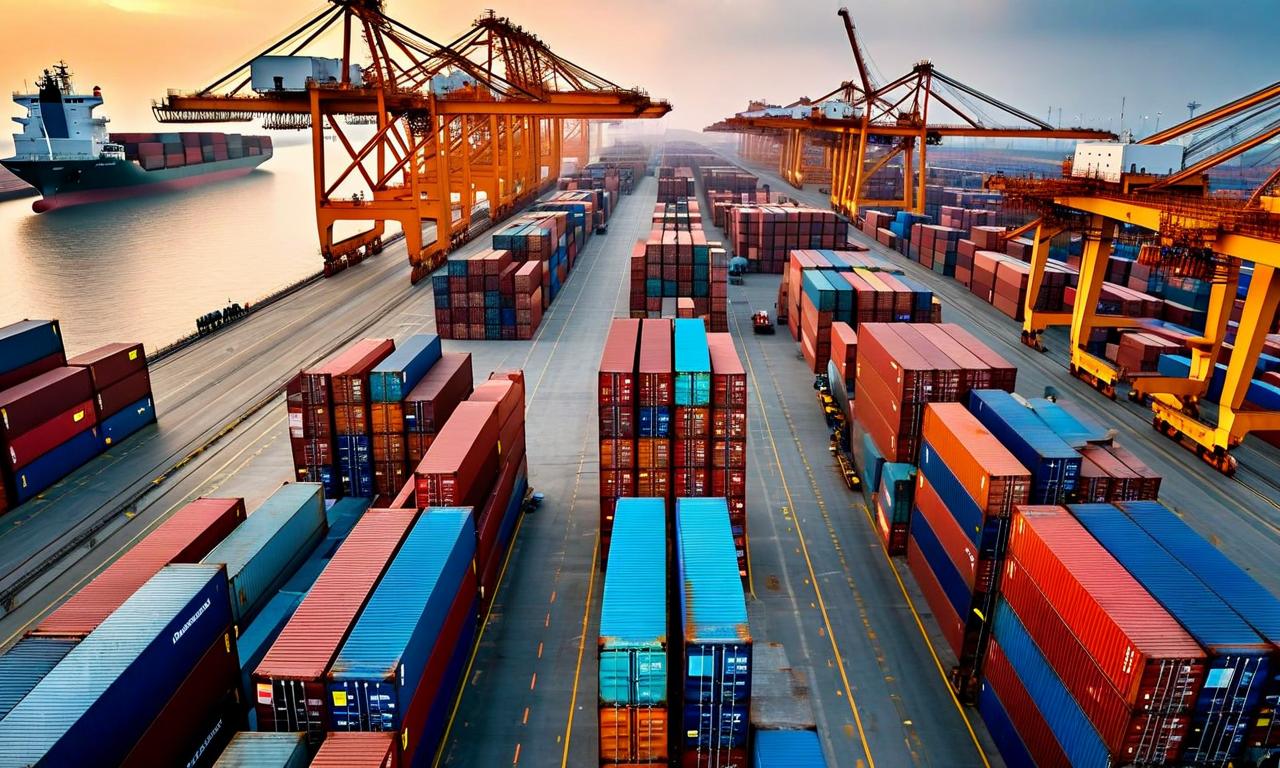

*this image is generated using AI for illustrative purposes only.
Indian exporters across multiple sectors are confronting an urgent January deadline to secure US orders for the upcoming summer season, as prolonged trade negotiations between New Delhi and Washington threaten to disrupt critical business cycles. The ongoing 50% US tariffs imposed since August have already severely impacted India's labor-intensive export sectors, forcing companies to implement production cuts and worker layoffs.
Immediate Impact on Export Sectors
The punitive tariffs continue to devastate India's key export industries, particularly textiles, handicrafts, apparels, gems, and leather goods. Rafeeque Ahmed, chairman of Farida Group, one of India's largest shoemakers, identified January 15 as the critical cutoff date for securing bulk US orders to ensure stable revenue for summer and autumn seasons. His Tamil Nadu-based company, which derives 60% of export revenue from American markets and supplies to brands like Cole Haan and Clarks, has been forced to cut production by 20-25% and lay off workers.
| Current Trade Impact: | Details |
|---|---|
| US Tariff Rate: | 50% since August |
| Production Cuts: | 20-25% at major exporters |
| Export Decline (May-Nov): | 20.7% drop |
| India's US Exports (2024): | $87.40 billion |
| US Share of Total Exports: | Nearly 20% |
Sector-Specific Performance Decline
US government trade data reveals significant import reductions across key Indian export categories. Apparel imports dropped 12% to $376.00 million in September compared to the previous year, while rug imports fell 10% to $98.40 million over the same period. Gautam Nair, director of Matrix Design, an apparel manufacturer near New Delhi, warned that failure to secure a deal quickly would impact April-August shipping and holiday seasons, making the first half a "complete washout."
| Import Performance: | September Data |
|---|---|
| Apparel Imports: | $376.00 million (-12% YoY) |
| Rug Imports: | $98.40 million (-10% YoY) |
| Russian Oil Imports: | Down 40% from June peak |
| June Peak Volume: | 2.10 million barrels/day |
Adaptation Strategies and Market Diversification
Facing sustained pressure, exporters are implementing various survival strategies. Tiruppur-based R.K. Sivasubramaniam, whose firm produces basics like underwear, has cut production by 50% since August and plans US visits in January to scout new buyers. Home-decor maker Vijay Sethi from Sethi Handicrafts has lost several American clients despite offering discounts up to 20%, with his company deriving 40% of revenue from US sales of wooden furniture and coasters.
Gems and jewelry exporters are experimenting with costly workarounds, including establishing US subsidiaries and shifting manufacturing to countries like the UAE, where duties are approximately 15%. According to Sabyasachi Ray, executive director of the Gem and Jewellery Export Promotion Council, these adaptations have "taken a toll" on business operations.
Government Response and Trade Negotiations
Despite multiple rounds of talks, including four conversations between Trump and Prime Minister Modi since August, slow progress has pressured the rupee and forced New Delhi to allocate $5.00 billion to protect Indian exporters. The government has also announced a ₹7,295 crore export package to improve exporters' access to credit.
| Trade Negotiation Status: | Current Position |
|---|---|
| Completed Rounds: | Six negotiation rounds |
| Trump-Modi Conversations: | Four since August |
| Government Support Package: | $5.00 billion for exporters |
| Additional Credit Package: | ₹7,295 crores |
| Target Bilateral Trade: | $500.00 billion by 2030 |
As part of diversification efforts, India has recently forged new free trade alliances with New Zealand, Oman, and the UK, while continuing negotiations with the EU, Australia, Chile, and Peru. Major apparel suppliers including Raymond Lifestyle Ltd. and Gokaldas Exports Ltd. are considering relocating production to African countries where tariffs can be as low as 10%, with Gokaldas operating four factories in Kenya and one in Ethiopia.
 20
20






 Access 50+ Readymade Screeners
  Use 200+ Custom Filters
  Get Full Market Insights





