Trump Suggests Potential for Increased U.S. Role in Global Semiconductor Market


Former U.S. President Donald Trump has made a statement suggesting an increased role for the United States in the global semiconductor market. The statement highlights the strategic importance of semiconductor manufacturing and may indicate a potential policy direction for America's involvement in the chip industry. This comes amid ongoing global supply chain disruptions and increasing geopolitical tensions surrounding technology and trade.
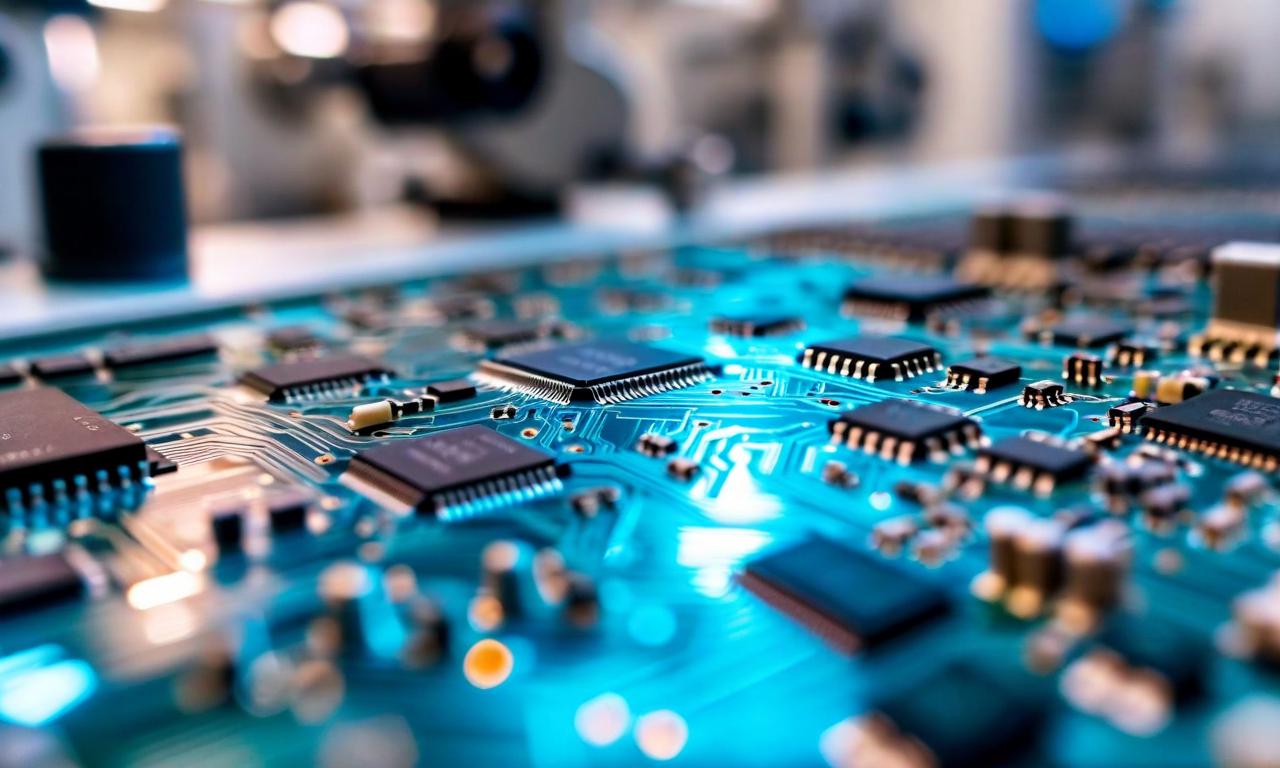
*this image is generated using AI for illustrative purposes only.
Former U.S. President Donald Trump has made a statement regarding the future of the American semiconductor industry, suggesting that the United States may play a larger role in the global chip market.
Key Points
- Trump suggests potential for increased U.S. presence in the semiconductor industry
- Statement may indicate possible policy direction for America's role in the global chip market
- Highlights the strategic importance of semiconductor manufacturing
Implications for the Semiconductor Industry
Trump's statement underscores the growing focus on semiconductor manufacturing as a critical component of national economic and technological strategies. The semiconductor industry, which produces the chips that power everything from smartphones to advanced military equipment, has become a focal point of global competition and national security concerns.
Global Context
This suggestion comes amid ongoing global supply chain disruptions and increasing geopolitical tensions surrounding technology and trade. Many countries, including the United States, have been pushing to shore up domestic semiconductor production to reduce reliance on foreign manufacturers and secure their technological future.
Policy Considerations
While specific details were not provided, Trump's statement might suggest potential policies aimed at boosting U.S. semiconductor manufacturing capabilities. Such policies could potentially include:
- Government investment in domestic chip production
- Incentives for companies to establish or expand semiconductor facilities in the U.S.
- Controls on technology exports to competitor nations
It's important to note that achieving a significant increase in U.S. presence in the global semiconductor market would likely require substantial effort and investment, given the current distribution of manufacturing capabilities worldwide.
As the situation develops, industry stakeholders and policymakers may closely monitor how these suggestions might translate into concrete actions and what impact they could have on the global semiconductor landscape.
 15
15