

Zelenskiy hopes Trump uses Russia sanctions law if Putin declines de-escalation


- Ukraine's Zelenskiy hopes Trump enforces new Russia sanctions law
- Trump signed Lindsey Graham Act granting tariff authority on Russia's partners
- Law targets Russia's energy, defense sectors, and shadow fleet tankers
- Putin claims Russia faces over 30,000 sanctions amid geopolitical pressure

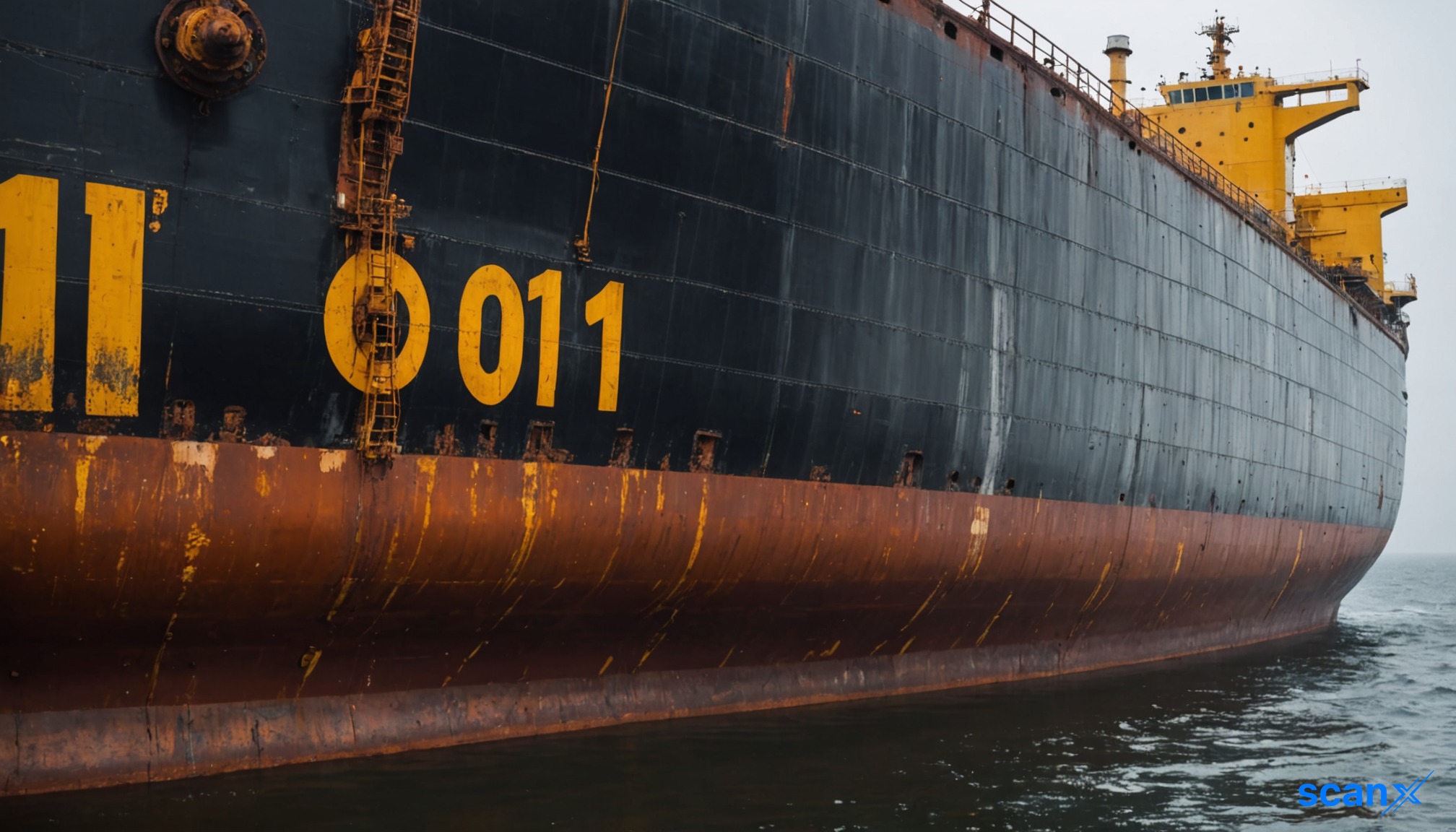

*this image is generated using AI for illustrative purposes only.
Ukraine's President Volodymyr Zelenskiy stated he hopes President Donald Trump will utilize the recently signed Lindsey O. Graham Sanctioning Russia and Iran Act of 2026 if Russian President Vladimir Putin declines to de-escalate the conflict.
President Donald Trump signed the legislation into law on Friday, expanding U.S. economic pressure on Moscow and granting new tariff authority against countries that trade significantly with Russia. The White House stated that the law "authorizes and expands statutory sanctions, tariffs, and prohibitions on Russia and extends existing sanctions on Iran."
The legislation was passed by the House on Wednesday following Senate approval last month. It targets key components of Russia’s economy to restrict revenue supporting its war in Ukraine. According to Reuters, the measure expands sanctions on Russia’s energy and defense sectors and specifically targets the so-called "shadow fleet" of tankers used to circumvent existing restrictions.
Tariff Authority for Trading Partners
A significant provision of the law authorizes tariffs against major buyers of Russian energy. This mechanism aims to extend economic pressure beyond Moscow to its primary trading partners. Critics have raised concerns regarding the breadth of this authority, arguing that the legislation grants Trump broad power to impose tariffs that could remain in effect beyond his presidency. There are also concerns that these expanded powers create economic risks for nations maintaining significant trade ties with Russia.
Russia’s Response
Russian President Vladimir Putin addressed the sanctions landscape at the BRICS Business Forum in New Delhi earlier this month. He stated that Russia has faced more than 30,000 sanctions, describing economic restrictions and trade barriers as tools of geopolitical competition. Putin noted that Russia has responded by strengthening ties with "reliable, predictable partners." He also claimed that the Russian economy has grown faster than the global average over the past three years.

How might major energy importers like China and India adjust their trade policies to avoid secondary tariffs under the new legislation?
What specific mechanisms will the U.S. Treasury use to identify and penalize the 'shadow fleet' tankers, and how effective will these measures be in reducing Russian oil revenue?
Could the broad tariff authority granted to the President trigger retaliatory economic measures from BRICS nations, potentially accelerating global de-dollarization efforts?
 15
15



 Access 50+ Readymade Screeners
  Use 200+ Custom Filters
  Get Full Market Insights





