

Trump signs order to create US Space Academy for Artemis staffing


- Executive order establishes U.S. Space Academy to train astronauts and engineers
- Aims to fix Space Force workforce gap of 25% below mandated levels
- Commission led by NASA Administrator Jared Isaacman will guide launch
- Texas hinted as potential location for the new institution

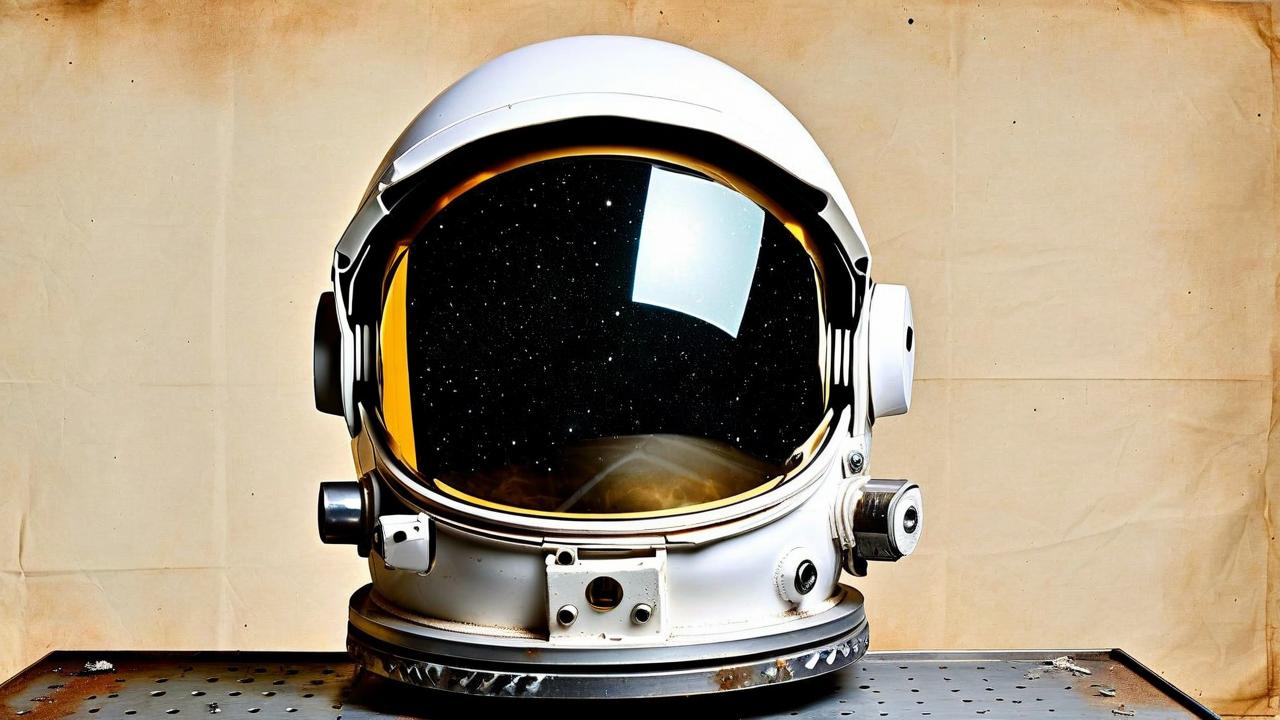

*this image is generated using AI for illustrative purposes only.
President Donald Trump signed an executive order on Friday to reestablish a U.S. Space Academy, modeled after West Point and other service academies. The initiative aims to train future astronauts, engineers, and scientists to address critical staffing shortages.
Addressing Workforce Gaps
The academy targets talent deficits across NASA's Artemis moon program and the U.S. Space Force. A 2025 watchdog report found the Space Force workforce is 25% below congressionally mandated levels. This shortage coincides with rising hiring costs driven by competition from private players such as Space Exploration Technologies Corp. (NASDAQ: SPCX) and Blue Origin.
Commission and Location
An eight-member commission led by NASA Administrator Jared Isaacman will advise on launching the institution. Trump stated a decision on the academy's location would come "very shortly," hinting that Texas is among the possible sites. The announcement followed the presentation of the Congressional Space Medal of Honor to the Artemis II crew: Reid Wiseman, Victor Glover, Christina Koch, and Jeremy Hansen.
Strategic Context
This move aligns with Trump's National Space Transportation Policy, signed August 20, which aims to increase annual launches to 1,000 by 2030. Trump also pledged that the U.S. will land astronauts on the moon during his final year in office.

How might the establishment of a government-funded Space Academy impact the compensation strategies and recruitment pipelines of private competitors like SpaceX and Blue Origin?
What are the projected federal budget implications for the U.S. Space Academy, and how will funding be allocated relative to existing NASA and Space Force programs?
Could the selection of Texas as a potential site influence regional economic development or trigger competition with other states offering incentives for space infrastructure?
 18
18





 Access 50+ Readymade Screeners
  Use 200+ Custom Filters
  Get Full Market Insights





