Trump signals U.S. will act on Iranian attacks against American forces

scanx
Reviewed by
Shraddha JScanX News Team
Key Highlights
  • Trump indicated the United States will take action in response to Iranian attacks on American forces
  • The statement signals a potential escalation in U.S.-Iran tensions
  • No specific details on the nature or timing of any planned response were provided
powered bylight_fuzz_icon
49727233

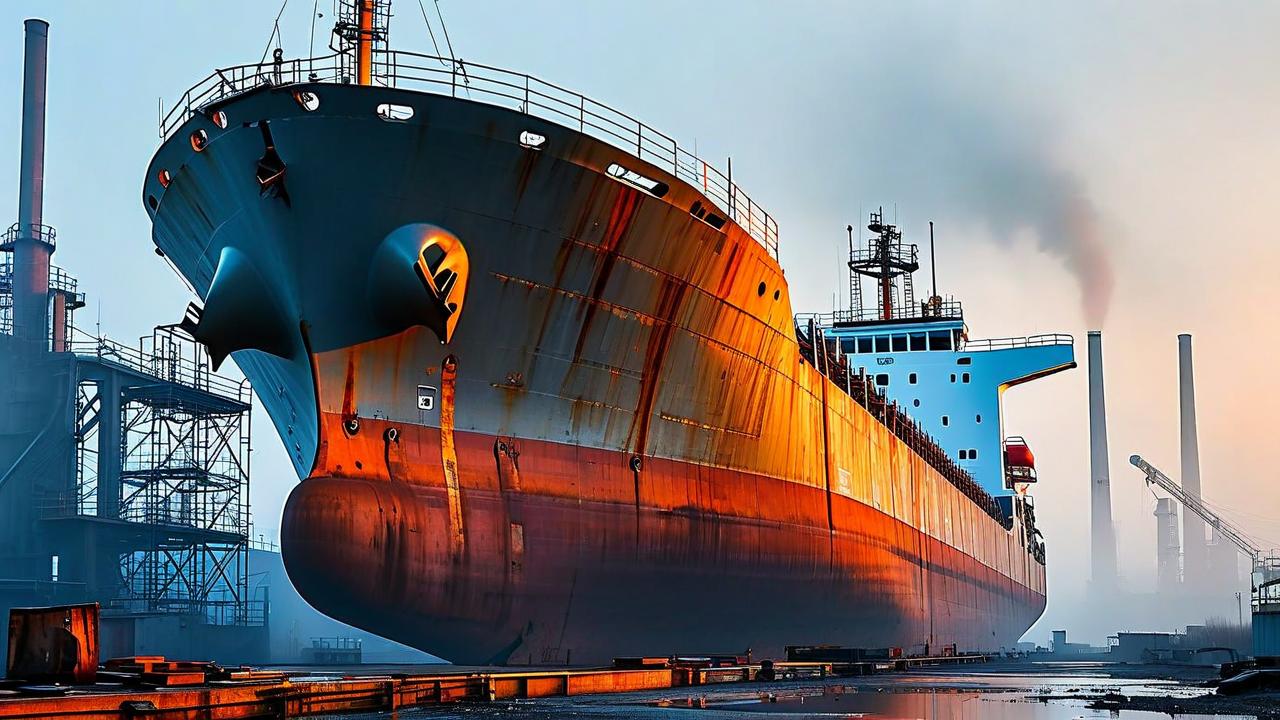
*this image is generated using AI for illustrative purposes only.

Trump has indicated that the United States will take action in response to Iranian attacks on American forces, signaling a significant development in the ongoing tensions between Washington and Tehran.

Background on the statement

The announcement marks a direct acknowledgment by Trump of Iranian-linked attacks targeting American military personnel. The statement points to a potential shift in the U.S. posture toward Iran, with Trump making clear that such attacks would not go unanswered.

Significance of the development

Attacks on American forces have long been a flashpoint in U.S.-Iran relations. Trump's indication that the U.S. will respond underscores the seriousness with which the administration is treating the incidents. The statement stops short of detailing the specific nature, timing, or scope of any planned response.

How might a U.S. military response impact global oil prices and energy market volatility in the short term?

What are the potential implications for regional stability in the Middle East, particularly for Gulf Cooperation Council states?

How could this escalation affect ongoing diplomatic negotiations regarding Iran's nuclear program or sanctions relief?

like15
dislike

US touts nuclear ships, domestic steel to counter China

scanx
Reviewed by
Shraddha JScanX News Team
Key Highlights
  • DOT plans first nuclear-powered cargo vessel construction for 2028 with 75% faster crossing speeds
  • Vessels will operate for 20 years without refueling and offer increased cargo capacity by removing fuel tanks
  • Commerce Secretary Lutnick highlighted domestic steel production for naval and nuclear components in Pennsylvania
  • Initiatives aim to counter China State Shipbuilding Corporation's 30% share of global shipbuilding orders
  • Announcements follow collapsed U.S.-Canada trade talks over truck tariffs and market access
powered bylight_fuzz_icon
49712660

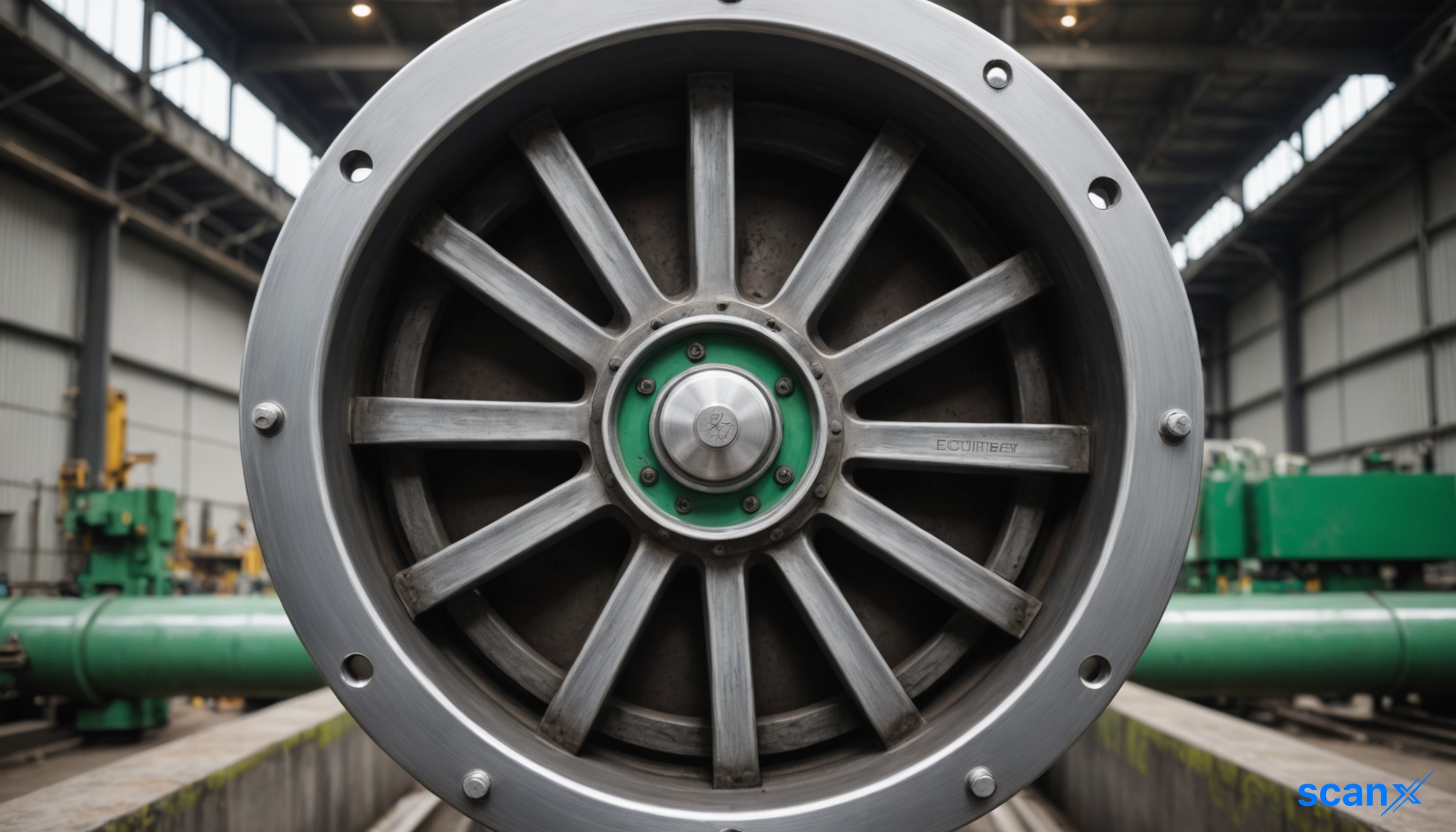
*this image is generated using AI for illustrative purposes only.

The Trump administration is advancing a dual strategy focused on nuclear-powered maritime logistics and domestic steel manufacturing to reduce reliance on Chinese supply chains. Commerce Secretary Howard Lutnick and Transportation Secretary Sean Duffy highlighted these initiatives on August 28, 2026.

Nuclear-Powered Vessel Initiative

Transportation Secretary Sean Duffy announced that the Department of Transportation is fast-tracking the construction of a new fleet of nuclear-powered cargo vessels. The first vessel is scheduled for construction in 2028. Duffy stated these ships would operate for 20 years without refueling and offer crossings up to 75% faster than conventional vessels. The design eliminates internal fuel tanks, allowing for increased cargo capacity.

The U.S. Maritime Administration (MARAD) is seeking industry input on incorporating small modular reactors (SMRs) into commercial shipping fleets. This push comes as China State Shipbuilding Corporation (CSSC) holds more than 30% of global shipbuilding orders, according to a 2024 South China Morning Post report.

Feature Specification
First Construction 2028
Refueling Interval 20 years
Speed Improvement Up to 75% faster crossings
Cargo Capacity Increased (no fuel tanks)

Domestic Steel Manufacturing Push

Commerce Secretary Howard Lutnick visited Lehigh Heavy Forge in Bethlehem, Pennsylvania, to highlight domestic metal production capabilities. He noted that American workers are manufacturing large steel components for submarines, naval ships, and the nuclear industry. Lutnick described this output as evidence of the strength of American manufacturing.

Trade Context

These announcements follow the collapse of U.S.-Canada trade talks over disagreements regarding tariffs and market access for medium- and heavy-duty trucks. Lutnick blamed Canadian Prime Minister Mark Carney for the breakdown, accusing him of prioritizing political ambitions. U.S. Trade Representative Jamieson Greer clarified that discussions on pickup trucks were separate from Section 232 tariffs on automobiles.

How will the integration of small modular reactors into commercial shipping impact global maritime insurance premiums and international safety regulations?

What are the projected cost implications for U.S. logistics companies as they transition from conventional to nuclear-powered vessels starting in 2028?

Could the collapse of U.S.-Canada trade talks accelerate the shift toward domestic steel sourcing for other North American industries beyond defense and nuclear sectors?

like15
dislike