

US strikes nine Iranian tankers in Hormuz; Wright blames Biden for refinery closures


- US destroys nine Iranian oil tankers in Strait of Hormuz
- Trump warns of more strikes; 100 targets hit on Tuesday
- Energy Secretary Wright blames Biden and Newsom for refinery closures
- Wright predicts gas prices will fall despite current spikes
- Peter Schiff questions Trump's claim of post-midterm peace

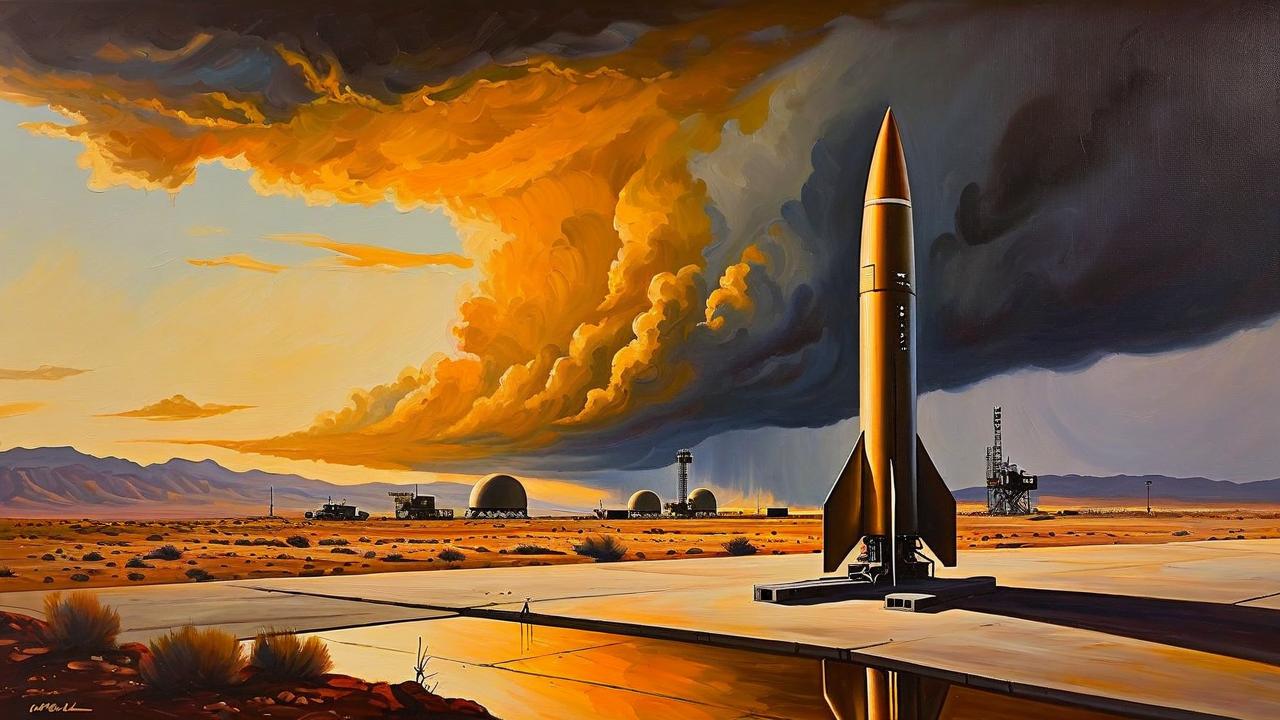

*this image is generated using AI for illustrative purposes only.
The United States has destroyed nine Iranian oil tankers in the Strait of Hormuz, escalating military operations significantly. President Donald Trump confirmed the expanded strike count and warned that "a lot more" action is expected.
Escalation Near Strait of Hormuz
Trump described the military action as direct retaliation for Iran's failed attempt to mine the strait and an attack on a US base in Jordan. He stated that all previously placed mines have been removed or detonated, leaving the waterway clear.
According to Axios, the US military struck around 100 targets on Tuesday. Officials noted that roughly 40 ships transited the Strait of Hormuz on Tuesday under US military guidance. The strikes targeted Iranian government tankers parked north of the US naval blockade line.
i24NEWS reported that an American official confirmed the US is currently striking Iranian oil tankers.
On Wednesday, the Trump administration’s official Rapid Response handle on X shared a video of Trump speaking to the press in Dallas, Texas. "We’ve knocked out nine of their ships... Many of them are gone-zo," Trump said, reaffirming the count and hinting at further attacks.
Civilian Casualties and Iranian Response
Iran's Foreign Ministry spokesperson Esmaeil Baqaei condemned the strikes, alleging that an attack on a wedding celebration in Kuhestak killed or injured more than 50 people. However, the New York Times reported at least four deaths, including one child, and 53 injuries based on local officials and the Iranian Red Crescent Society.
Baqaei also referenced a previous strike on a girls' school in Minab that killed more than 150 civilians. He warned that Tehran would respond firmly to the attacks.
Refinery Capacity and Political Blame
Amid record-high gas prices, Energy Secretary Chris Wright slammed the former President Joe Biden administration for drawing down refineries in the US. "The bigger problem is refining capacity," Wright said. "Under the Biden administration, they closed over a dozen refineries" in America.
Wright also criticized California Governor Gavin Newsom. "Gavin Newsom has closed two more large ones in the last 12 months in California," Wright said. He stated that the US is expanding its refining capacity and predicted that gasoline prices will reduce in the coming weeks.
Earlier, GasBuddy analyst Patrick De Haan had warned that US refineries were operating at 95% capacity during the summer, limiting room for additional crude imports. Trump had touted Venezuelan oil to offset high energy costs.
Iran War Context
Trump had earlier said that he expected the Iran war to end right after the midterm election, after the US and Iran exchanged missile strikes. The Islamic Revolutionary Guard Corps (IRGC) has claimed attacks on US vessels, while CENTCOM says Iranian attacks on US warships have failed to hit them.
Economist Peter Schiff called Trump’s promise to end the Iran war after the midterm election a lie, also questioning Trump’s claims about declining oil prices. Schiff had also warned against the declining US Strategic Petroleum Reserve (SPR), saying that oil prices could be impacted by the depleting reserve.

How will the destruction of Iranian oil tankers and potential closure of the Strait of Hormuz impact global crude oil prices and supply chains in the short term?
What specific retaliatory measures is Iran likely to employ against US interests or regional allies, given the IRGC's previous capabilities and current rhetoric?
Can the US realistically increase domestic refining capacity quickly enough to offset supply disruptions caused by the conflict, as claimed by Energy Secretary Wright?
 18
18





 Create Custom Screeners
  Access 200+ Pre-built Filters
  Use 50+ Readymade Screener





