Trump Plans to Invoke Emergency Law for Sable LNG Amid Oil Supply Concerns

0 min read     Updated on 12 Mar 2026, 12:26 AM
scanx
Reviewed by
Shraddha JScanX News Team
Overview

Trump plans to invoke emergency law for the Sable LNG project amid tightening oil supply conditions. Despite current supply constraints, Trump has stated that oil prices will be coming down. The emergency law invocation suggests the administration views the LNG project as critical infrastructure for addressing energy supply challenges.


34801018

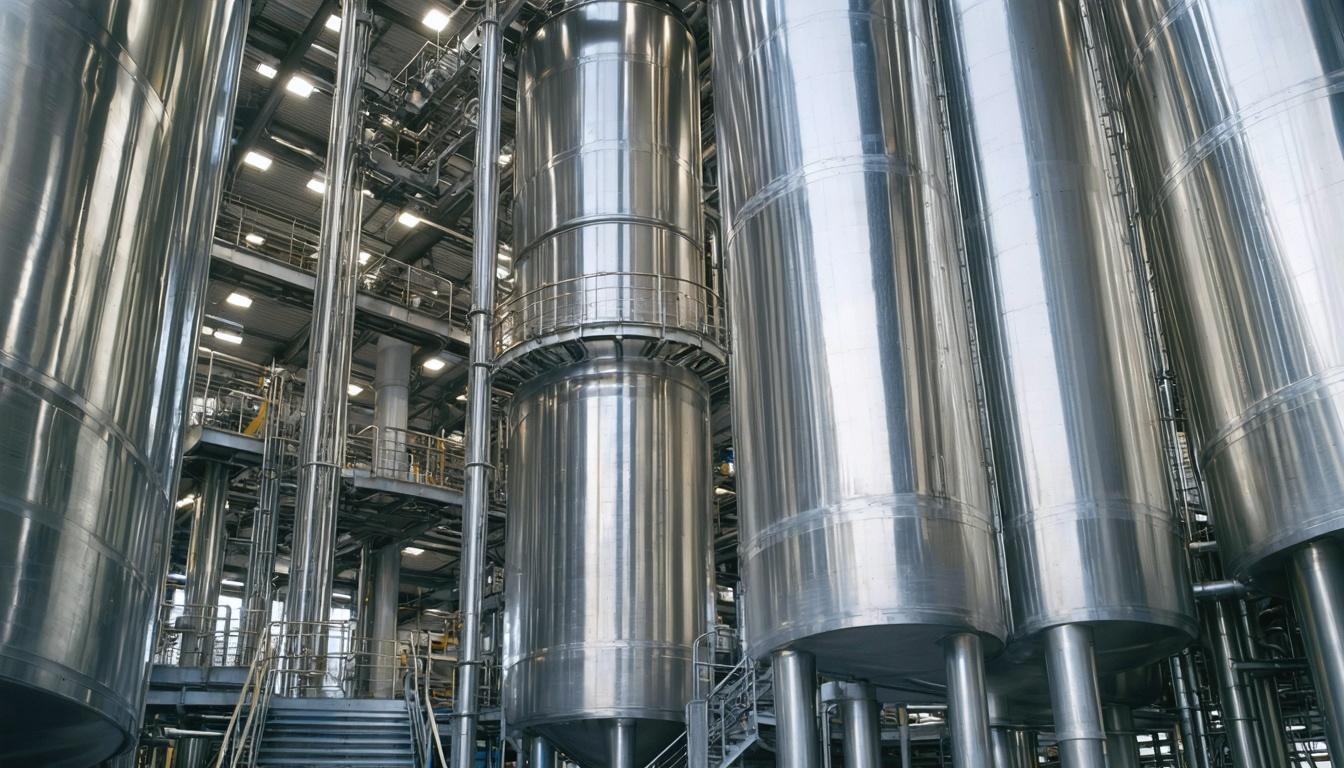
*this image is generated using AI for illustrative purposes only.

Trump has announced plans to invoke emergency law provisions for the Sable LNG project, signaling potential government intervention in energy infrastructure development. The decision comes amid what has been described as a tightening oil supply squeeze affecting energy markets.

Emergency Law Invocation for Sable LNG

The planned invocation of emergency law specifically targets the Sable LNG project, though the exact nature of the emergency provisions and their implementation timeline remains to be detailed. This move suggests the administration views the project as critical to addressing current energy supply challenges.

Oil Market Outlook

Despite the current supply constraints, Trump has expressed confidence that oil prices will decline. This statement provides insight into the administration's expectations for energy market conditions, though the specific factors driving this prediction were not elaborated upon.

Energy Supply Dynamics

The characterization of current conditions as an "oil supply squeeze" indicates ongoing challenges in energy markets. The combination of emergency law invocation for LNG infrastructure and expectations of declining oil prices reflects the complex dynamics currently affecting energy supply and pricing mechanisms.

like16
dislike

U.S. 301 Trade Investigation Meets South Korea's Expectations, Official Confirms

1 min read     Updated on 12 Mar 2026, 12:09 AM
scanx
Reviewed by
Anirudha BScanX News Team
Overview

The U.S. has launched a comprehensive Section 301 investigation into 16 major trading partners over structural excess capacity in manufacturing, with South Korea confirming the probe aligns with their expectations. The investigation targets key economies including China, EU, Mexico, Vietnam, India, and Japan, while a separate probe into forced labor goods may cover 60 countries.

34799972

*this image is generated using AI for illustrative purposes only.

The U.S. Trade Representative has announced a comprehensive Section 301 investigation targeting 16 major trading partners over structural excess capacity in manufacturing sectors, with South Korean officials confirming the probe aligns with their expectations. USTR Greer confirmed the investigation will focus on China, European Union, Mexico, Vietnam, India, and Japan among other key trading partners.

South Korea's Response to Investigation

A South Korean official has stated that the U.S. Section 301 trade investigation is proceeding in line with their expectations. This response indicates that South Korea was prepared for the scope and nature of the current trade enforcement action targeting manufacturing excess capacity across multiple countries.

Major Investigation Targeting Key Partners

The Section 301 investigation represents one of the most extensive trade enforcement actions in recent years, covering major economies across multiple regions. The probe will examine structural excess capacity issues in manufacturing sectors across the targeted countries.

Investigation Details: Scope
Legal Framework: Section 301 Trade Act
Target Countries: 16 trading partners
Key Partners: China, EU, Mexico, Vietnam, India, Japan
Focus Area: Manufacturing excess capacity
Additional Probe: Forced labor goods (60 countries)
South Korea Position: In line with expectations

Forced Labor Investigation Expected

UST Greer indicated that another Section 301 investigation is expected to target goods made with forced labor, potentially covering approximately 60 countries. This separate probe would significantly broaden the scope of U.S. trade enforcement actions beyond the current manufacturing capacity investigation.

Legal Framework and Consultation Process

The investigations are being conducted under Section 301 of the 1974 Trade Act, which provides the legal mechanism for examining foreign trade practices and implementing appropriate responses. The USTR has confirmed that trading partners have been consulted before implementing these investigative measures, maintaining a diplomatic component to the investigation process.

Manufacturing Sector Focus and Implementation

The investigation specifically targets structural excess capacity in manufacturing sectors, addressing concerns about unfair competitive advantages and market distortions. The Section 301 process involves consultations and public hearings before final determinations, with potential for responsive actions including higher U.S. tariffs based on investigation findings.

like15
dislike