

Trump Jr. opposed Iran war in private as approval falls to 31%


- Donald Trump Jr. privately opposed the Iran war, communicating concerns directly to President Trump.
- Trump's approval rating dropped to 31%, down from 47% post-inauguration, per Reuters/Ipsos poll.
- Average American household costs rose nearly $2,000 due to the conflict, totaling $265 billion nationally.
- Gas prices hit $4.26 per gallon and diesel reached $6.3174 per gallon, straining budgets.
- Democrats lead Republicans 40%-33% on handling the economy ahead of midterms.

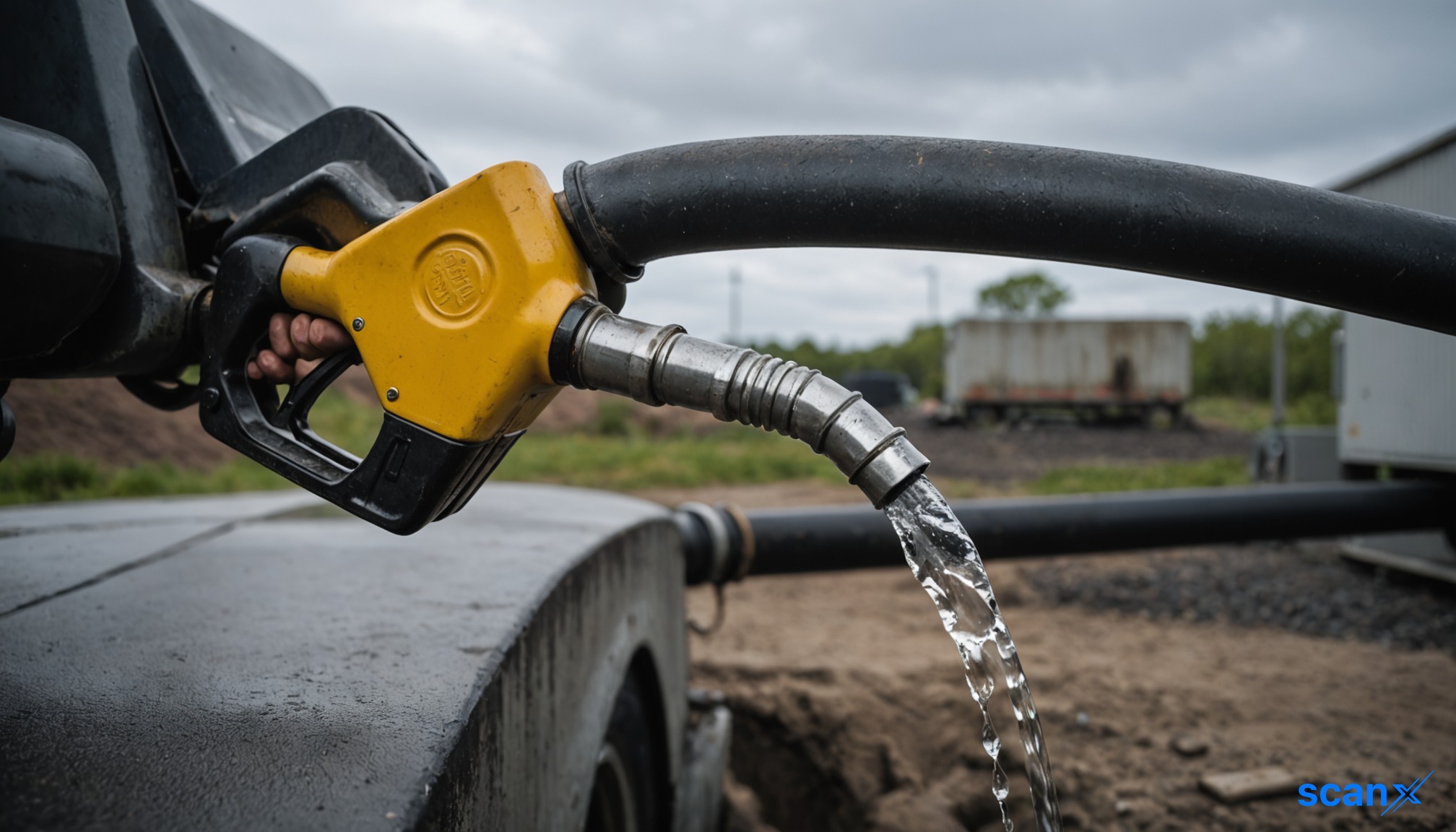

*this image is generated using AI for illustrative purposes only.
Donald Trump Jr. reportedly opposed the ongoing war with Iran in private, communicating his disagreement directly to President Donald Trump. The revelation highlights growing internal tensions within the MAGA movement regarding foreign intervention and "America First" principles.
The Atlantic reported on Tuesday that Trump Jr., the eldest son of the President, has repeatedly criticized the conflict since its inception. He resisted another U.S. military engagement in the Middle East, a stance consistent with his 2024 campaign rhetoric which portrayed his father’s foreign policy as focused on avoiding such wars. In April 2024, Trump Jr. posted on X stating, "Times like these should make us all realize how lucky we were to have Trump, his strength and his resolve," while questioning previous predictions of a full-blown war with Iran.
Internal dissent and strategic warnings
Sources close to Trump Jr. indicated he kept his views private to avoid publicly breaking with his father. "Don has kept his views on the subject private, as he would never publicly break with his dad on an issue like this," a person close to him told the publication. This internal discord mirrors earlier warnings from within the administration. In July, Vice President JD Vance and Joint Chiefs Chairman Gen. Dan Caine reportedly cautioned Trump against escalation, citing depleted U.S. munitions stockpiles and associated risks.
Economic impact and political fallout
The conflict has triggered significant economic strain, particularly through energy market disruptions. Rising fuel costs have intensified political fallout, contributing to a decline in public support for the war. Economist Mark Zandi estimated that the Iran war has added nearly $2,000 to the costs faced by the average American household since February, totaling $265 billion nationwide.
Fuel price data from the American Automobile Association (AAA) highlights the severity of the burden on consumers:
| Fuel Type | Price per Gallon |
|---|---|
| Diesel | $6.3174 |
| Gasoline | $4.26 |
Approval ratings and midterm implications
The economic pain has translated into measurable political damage. A Reuters/Ipsos poll revealed that Trump’s approval rating fell to 31%, its lowest level across both presidential terms. This represents a significant decline from 47% following his inauguration, driven largely by economic concerns and elevated gasoline prices.
Ahead of the midterm elections, Democrats hold a 40%-33% advantage over Republicans on handling the economy. Senator Rand Paul (R-Ky.) attributed rising energy costs to Washington’s foreign conflicts and climate policies, advocating for restrained foreign policy and fewer restrictions on domestic energy production. Senator Mark Kelly also called for a gas tax holiday to alleviate consumer pressure.

How might Trump Jr.'s private dissent influence the 2026 midterm election strategies for Republican candidates in swing districts?
What specific policy shifts or de-escalation steps might the administration take to address the $2,000 household cost increase before the midterms?
Could the reported internal divisions over Iran policy lead to a formal realignment of the MAGA base away from hawkish foreign policy figures?
 18






 Create Custom Screeners
 Access 200+ Pre-built Filters
 Use 50+ Readymade Screener





