Trump Halts New Tariff Announcements Amid Supreme Court Case


Donald Trump has announced a temporary halt on new tariff declarations while a Supreme Court case regarding tariffs is pending. He indicated alternative plans exist if the Court's ruling is unfavorable, though these would be slower to implement than direct tariff actions. This decision marks a shift in Trump's typically aggressive approach to trade policy.
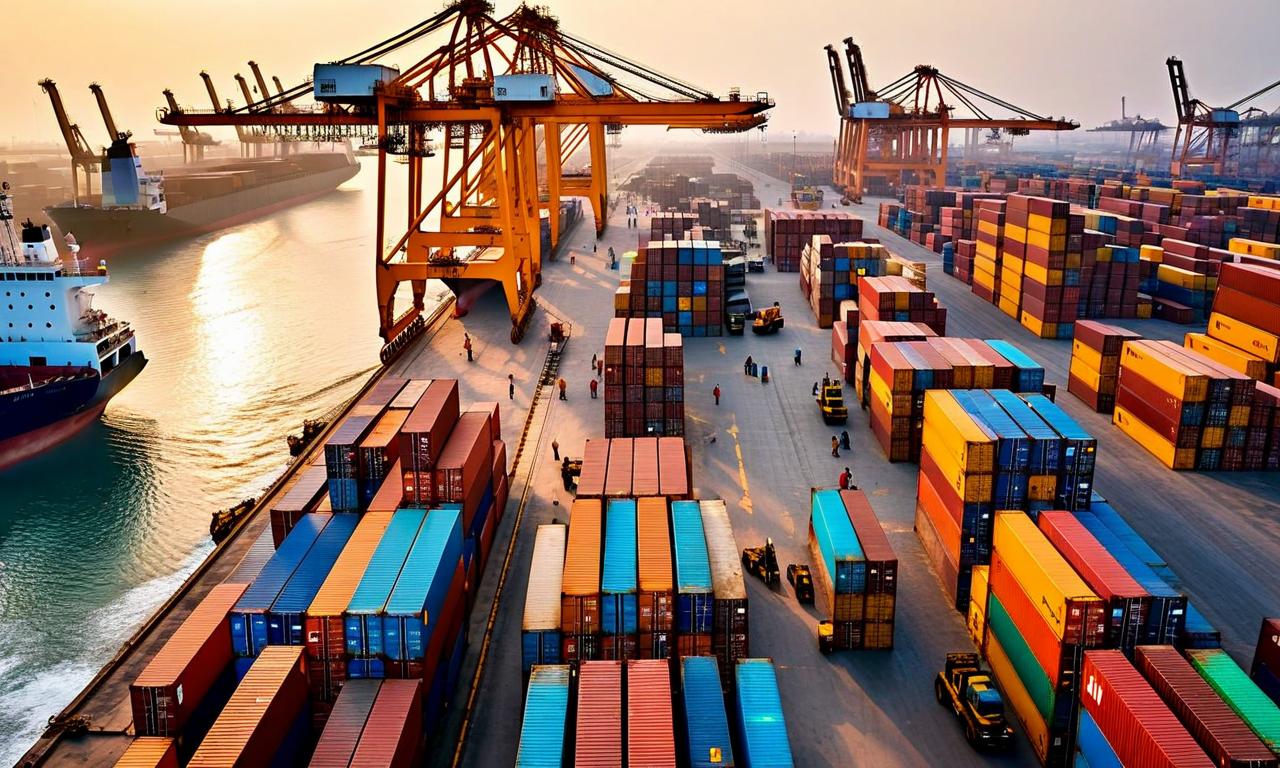
*this image is generated using AI for illustrative purposes only.
Former U.S. President Donald Trump has announced a pause on new tariff declarations while a Supreme Court case regarding tariffs is pending. This development marks a significant shift in Trump's approach to trade policy, which has been characterized by aggressive tariff measures in the past.
Key Points of Trump's Announcement
- Tariff Freeze: Trump stated he will not announce new tariffs during the ongoing Supreme Court case.
- Legal Proceedings: The decision is directly tied to a pending Supreme Court case related to tariffs.
- Contingency Plans: Trump indicated that alternative plans exist if the Supreme Court ruling is unfavorable.
- Implementation Speed: These alternative plans would be slower to implement compared to direct tariff actions.
Implications and Analysis
This announcement suggests a more cautious approach from Trump regarding trade policy, at least in the short term. The decision to wait for the Supreme Court's ruling before taking any further action on tariffs indicates a recognition of the legal complexities surrounding trade policies.
The mention of alternative plans hints at Trump's continued focus on trade issues, regardless of the court's decision. However, the acknowledgment that these plans would be slower to implement than tariffs suggests potential challenges in quickly enacting trade measures through other means.
Outlook
While Trump has confirmed that no new tariff announcements will be made during the pending legal proceedings, the situation remains fluid. The outcome of the Supreme Court case could significantly influence future trade policies and economic relations, both domestically and internationally.
Investors and businesses involved in international trade may want to monitor this situation, as any shifts in tariff policies can have effects on global markets and supply chains.
 19
19