

Trump bans CNN, MSNBC, Politico from White House over fake news claims


- President Donald Trump banned CNN, MSNBC, and Politico from the White House on Friday
- Trump cited cumulative "fake news" and negative reporting as the reason for the exclusion
- Secretary of War Pete Hegseth supported the ban, claiming outlets endangered troops
- CNN and Politico vowed to defend their First Amendment rights against the restrictions
- Previous bans on AP and Jim Acosta led to ongoing or overturned legal challenges

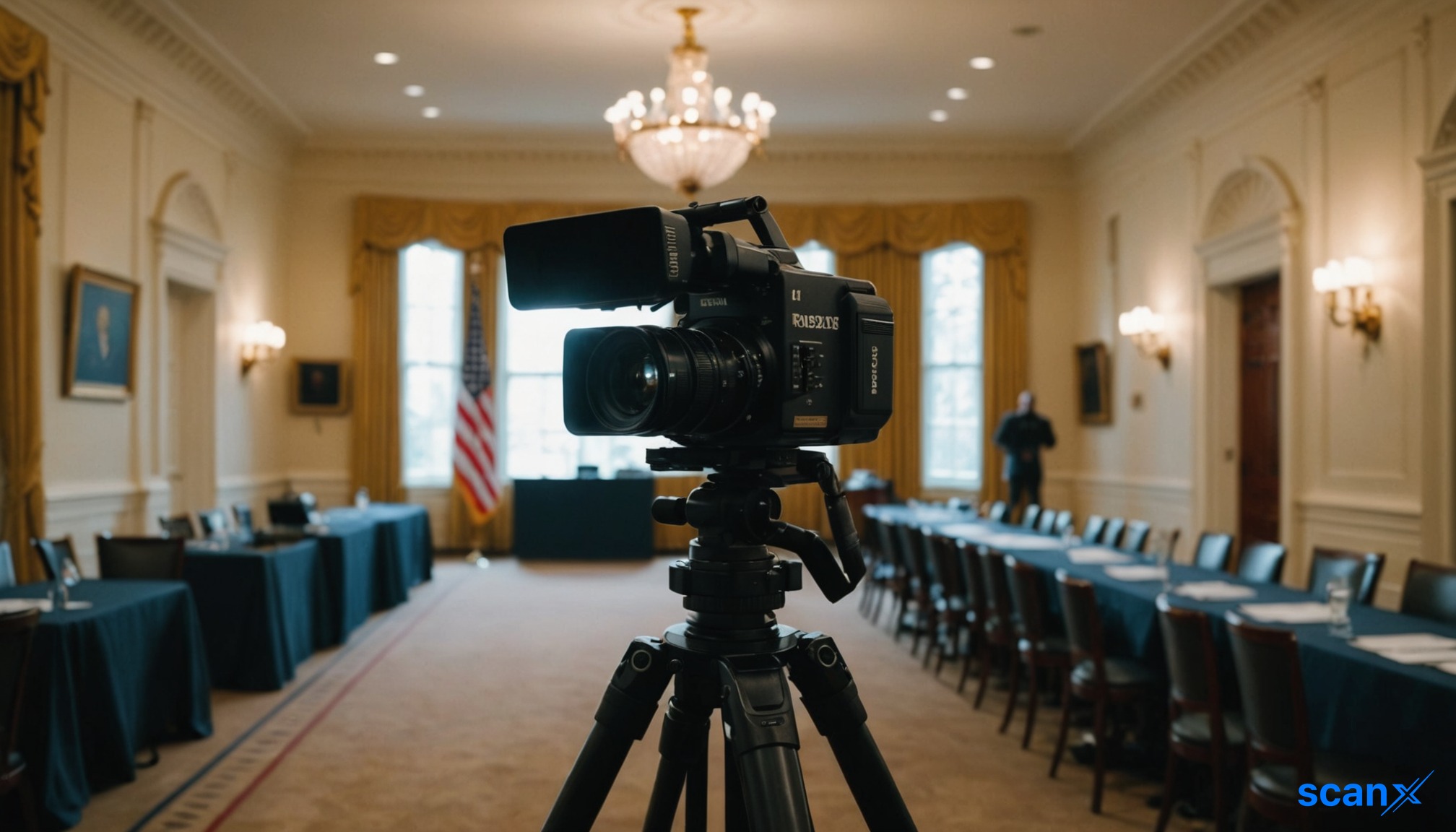

*this image is generated using AI for illustrative purposes only.
President Donald Trump banned CNN, MSNBC, and Politico from the White House on Friday. He cited what he called "FAKE NEWS" coverage of his administration as the reason for the exclusion.
Trump stated that these outlets "shouldn't be able to constantly write or report FICTION and LIES." He warned other news organizations could face similar restrictions if they continue such reporting.
Executive Justification
In an Oval Office briefing, Trump said there was no single story behind the decision. He described it as a response to "cumulative stories over the last few years." He added that outlets "purposely write negative news" to "diminish the Republicans and a Republican administration."
When asked about the scope of the ban, Trump said, "I don't want them in my office. I don't want them here. I would say the ban would go as far as you can."
Secretary of War Pete Hegseth backed the move on X. He said the Department of War "fully supports" the decision. Hegseth claimed the outlets had already "self-deport[ed] from the Pentagon" and accused them of endangering troops with "false stories, leaks, and" fictional accounts.
Legal Challenges Loom
CNN, owned by Warner Bros. Discovery Inc. (NASDAQ: WBD), called the threatened ban an illegal assault. The company stated it has a right under the U.S. Constitution to report without hindrance. CNN vowed to defend its team's fair and accurate reporting.
Politico, owned by privately held Axel Springer, wrote on X that it will "vigorously defend" its First Amendment rights. The outlet denied claims that it received government subsidies, calling them "false and thoroughly debunked."
Historical Precedent
Trump previously barred The Associated Press from the Oval Office and Air Force One. This occurred after the wire service declined to use his preferred name, "Gulf of America," for the Gulf of Mexico. The AP sued, and the case remains ongoing.
The tactic echoes his first term when he revoked CNN correspondent Jim Acosta's White House press credentials. CNN challenged that decision in court, and it was overturned.

How might the stock prices of Warner Bros. Discovery and Axel Springer react to the potential loss of White House access and associated advertising revenue?
What legal precedents from the Jim Acosta case will likely be cited by CNN and Politico in their upcoming First Amendment lawsuits against the administration?
Will other major media conglomerates, such as Comcast (NBC) or Paramount Global, face similar bans if they continue critical coverage of the administration?
 17
17





 Create Custom Screeners
  Access 200+ Pre-built Filters
  Use 50+ Readymade Screener





