Trump Expands Venezuela Oil Deal Requirements to Include Grid Infrastructure


Trump has expanded the requirements for Venezuela's oil deal proceeds, mandating exclusive purchase of American-made products including agricultural goods, medicines, medical devices, and equipment for electric grid and energy facility upgrades. This comes as part of broader US demands for Venezuela to sever ties with China, Russia, Iran, and Cuba while exclusively partnering with the US on oil production following Maduro's capture.
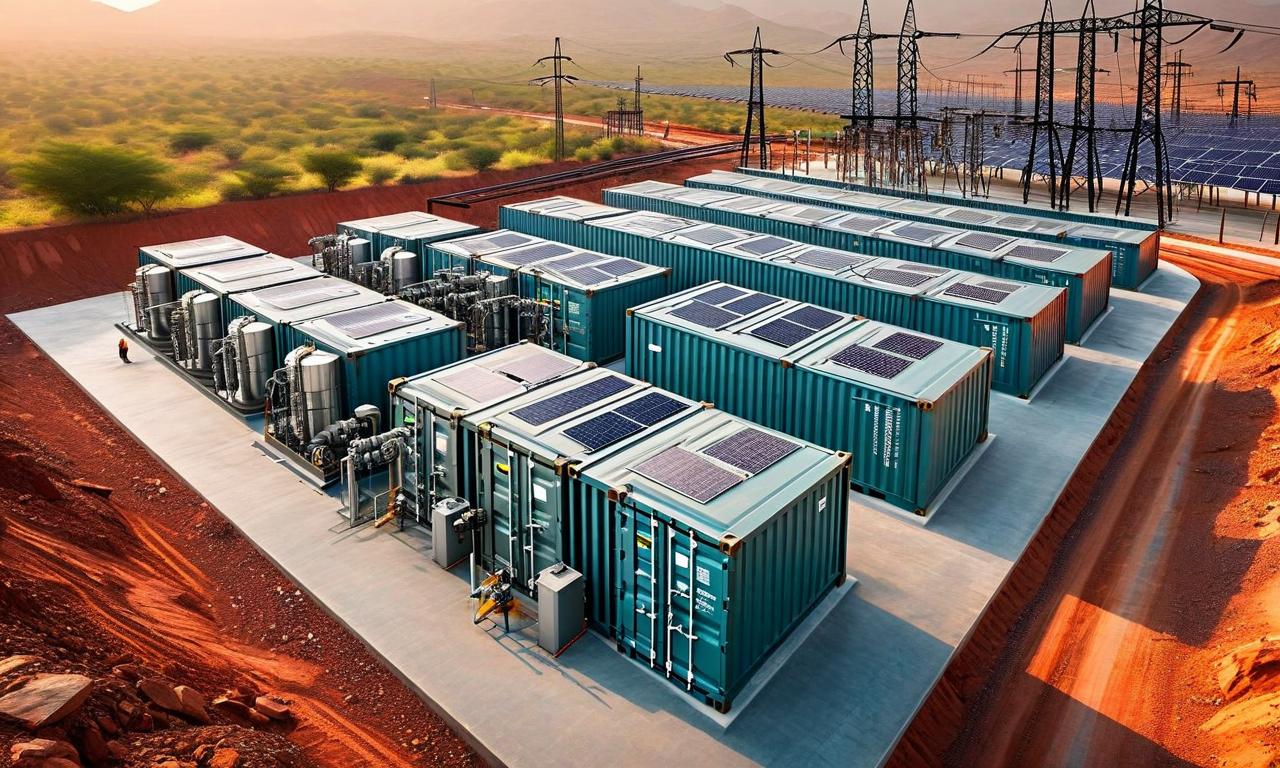
*this image is generated using AI for illustrative purposes only.
President Donald Trump's administration has issued comprehensive demands to Venezuela's interim leadership, requiring the country to exclusively partner with the United States on oil production and sever economic ties with China, Russia, Iran, and Cuba. The demands come after Trump announced that Venezuela will transfer between 30 and 50 million barrels of high-quality oil to the United States, valued at up to $2.80 billion, following a deadly US military operation that captured former leader Nicolás Maduro.
Enhanced US Strategic Demands and Economic Control
According to ABC reports citing three unnamed sources familiar with the matter, Trump has instructed Venezuela's interim leader Delcy Rodriguez that her government must only collaborate with the US on oil production and give preference to the US when selling heavy crude. The administration is demanding that Venezuela kick out these four countries and sever economic ties entirely.
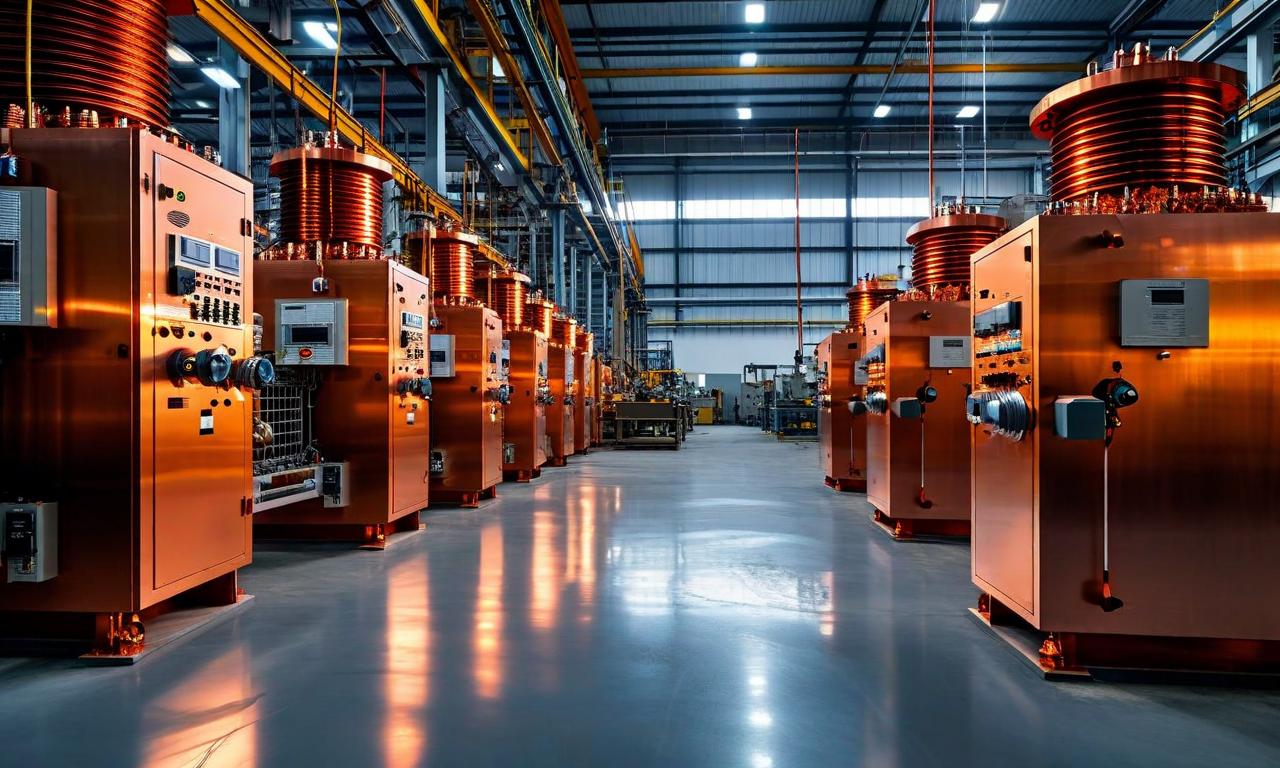
In the latest development, Trump has announced that Venezuela will be required to use all funds generated from the new oil deal to purchase exclusively American-made products. This includes US agricultural goods, medicines, medical devices, and equipment to upgrade its electric grid and energy facilities, further tightening economic control over Venezuela's spending.
| US Demands: | Requirements |
|---|---|
| Oil Partnership: | Exclusive US cooperation |
| Heavy Crude Sales: | Favor US buyers |
| Foreign Relations: | Cut ties with China, Russia, Iran, Cuba |
| Economic Ties: | Sever relationships with quartet |
| Procurement Requirements: | Buy only American-made products |
| Approved Purchases: | Agricultural goods, medicines, medical devices |
| Infrastructure Equipment: | Electric grid and energy facility upgrades |
Any move to cut ties would represent a complete political realignment for Venezuela, which has heavily relied on China, Russia, Iran, and Cuba for economic and security stability under both Nicolás Maduro and his predecessor Hugo Chavez. According to a separate New York Times report citing unnamed US officials, Washington is urging Rodriguez to expel military personnel and spies from those nations, though certain diplomats would be permitted to remain.
Military Operation and Casualties
The strategic demands follow a deadly US military operation that successfully captured Maduro. Venezuelan officials announced that at least 24 Venezuelan security officers were killed during the overnight operation, while Cuba's government confirmed 32 Cuban military and police officers working in Venezuela were killed in the raid. Seven US service members were injured, with five returning to duty and two continuing recovery from gunshot wounds and shrapnel injuries.
| Casualties: | Count |
|---|---|
| Venezuelan Security Officers: | 24 killed |
| Cuban Military/Police: | 32 killed |
| US Service Members: | 7 injured |
| US Personnel Returned to Duty: | 5 |
| US Personnel Still Recovering: | 2 |
Oil Deal and Corporate Engagement
Trump outlined the oil arrangement through his Truth Social platform, stating Venezuela will begin by supplying the United States with up to 50 million barrels of oil, valued at up to $2.80 billion at current benchmark pricing for West Texas Intermediate. The oil will be transported using storage ships directly to US unloading docks, with proceeds benefiting both Venezuela and the United States. Trump stated the oil would be sold at market price.
| Oil Deal Parameters: | Details |
|---|---|
| Oil Volume: | 30-50 million barrels |
| Oil Quality: | High-quality grade |
| Total Deal Value: | Up to $2.80 billion |
| Pricing: | Market rates |
| US Daily Consumption: | ~20 million barrels |
| Supply Equivalent: | 2.50 days of US supply |
| Fund Usage: | Exclusively American products |
| Infrastructure Focus: | Electric grid and energy facilities |
The White House has organized an Oval Office meeting with oil company executives, including representatives from Exxon, Chevron, and ConocoPhillips, to discuss Venezuela operations. The administration plans to meet with US oil companies within the next week to explore investment in the South American country.
Political Response and Future Implications
Venezuela's acting president Delcy Rodriguez has pushed back against Trump's warnings, stating that her destiny is determined by God rather than external threats. While senior US officials have said the US doesn't seek to occupy Venezuela, Trump has repeatedly made clear his intention to play a leading role in steering the country's future, with much of that future financed by oil revenues.
The White House did not immediately respond to requests for comment on the ABC report. The arrangement represents a significant shift in US-Venezuela relations following Maduro's capture, with Maduro having been indicted in the United States on charges of narco-terrorism and international cocaine trafficking conspiracy.
 16
16