NewsGlobalTrump Administration Aims to Reverse Biden's Arctic Drilling Restrictions, Potentially Opening 23 Million Acres for Oil Exploration
Trump Administration Aims to Reverse Biden's Arctic Drilling Restrictions, Potentially Opening 23 Million Acres for Oil Exploration


The Trump administration has announced plans to overturn Arctic oil drilling restrictions implemented by the Biden administration. The proposal could open up 23 million acres in the Arctic for oil exploration, potentially accessing an estimated 8.7 billion barrels of crude oil. This move aligns with the administration's 'energy dominance' strategy, aiming to expand domestic energy resources and reduce foreign oil dependence. The decision, if implemented, could significantly impact U.S. energy policy, domestic oil production, and environmental considerations in the Arctic region.

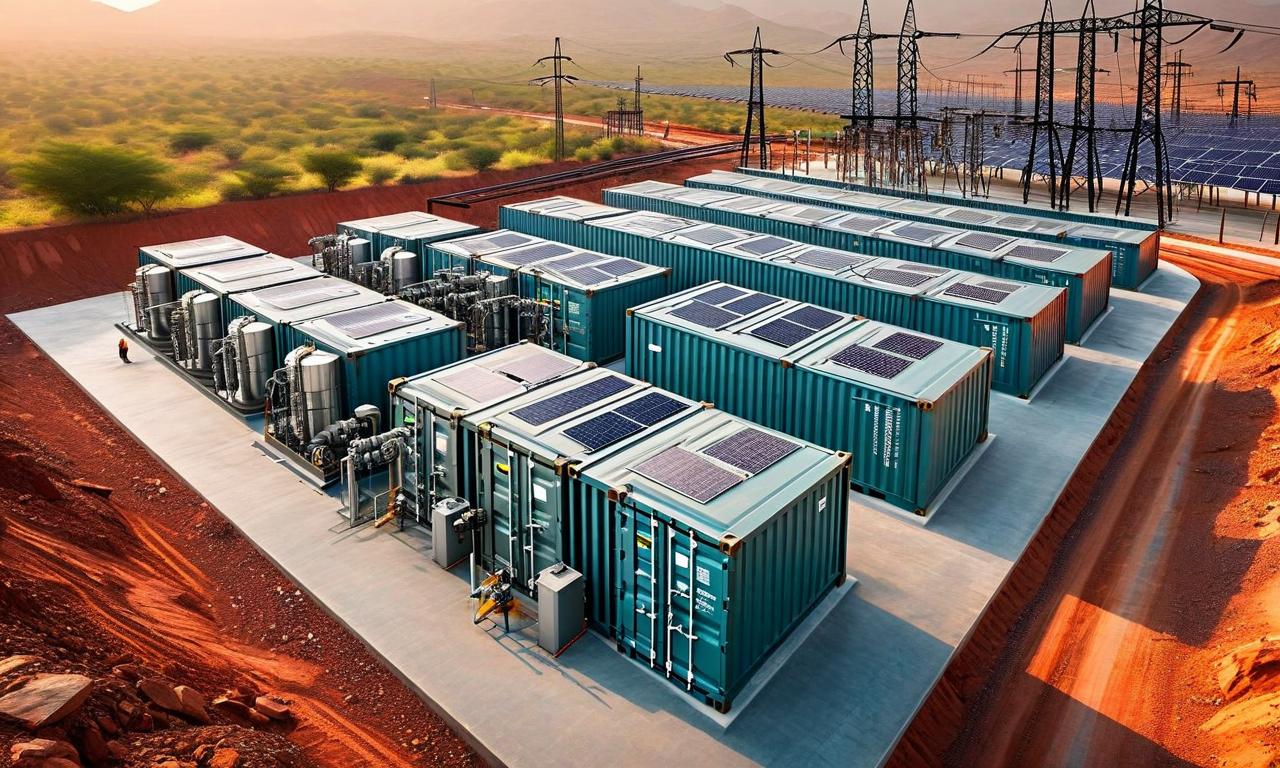
*this image is generated using AI for illustrative purposes only.
The Trump administration has announced plans to overturn the Arctic oil drilling restrictions implemented by the Biden administration, potentially reshaping the landscape of domestic oil exploration in the United States.
Key Points of the Proposed Policy Reversal
- Area Potentially Affected: 23 million acres in the Arctic
- Estimated Oil Reserves: 8.7 billion barrels of crude oil
- Strategy Alignment: Supports the administration's 'energy dominance' strategy
Implications of the Proposed Decision
If implemented, this reversal would mark a substantial change in U.S. energy policy, potentially impacting both domestic oil production and environmental considerations. The move aligns with the current administration's focus on expanding domestic energy resources and reducing reliance on foreign oil.
Environmental and Economic Considerations
While this decision, if enacted, could open up significant opportunities for oil exploration, it also raises questions about the potential environmental impact on the Arctic region. The balance between energy independence and environmental protection remains a contentious issue in U.S. policy debates.
Looking Ahead
The long-term effects of this proposed policy reversal on U.S. energy production, global oil markets, and environmental conservation efforts remain to be seen. Stakeholders from various sectors, including the energy industry, environmental groups, and policymakers, will likely closely monitor the developments following this announcement.
It's important to note that the implementation of this policy may face legal and regulatory challenges, as has been the case with previous attempts to expand drilling in environmentally sensitive areas.
 16
16