Toyota Reports 1.9% Decline in Global November Sales Amid China Market Challenges

1 min read     Updated on 25 Dec 2025, 11:21 AM
scanx
Reviewed by
Shraddha JScanX News Team
Overview

Toyota Motor Corporation experienced a 1.9% decrease in global sales to 965,919 units and a 3.4% drop in global production to 934,001 vehicles in November. The most significant impact came from China, where sales fell 12% due to the termination of trade-in subsidies for electrified and fuel-efficient vehicles. Production results varied across regions, with increases in Thailand (+15%) and the United States (+9%), but decreases in China (-14%), Japan (-9.7%), and the United Kingdom (-7.9%).

28187485

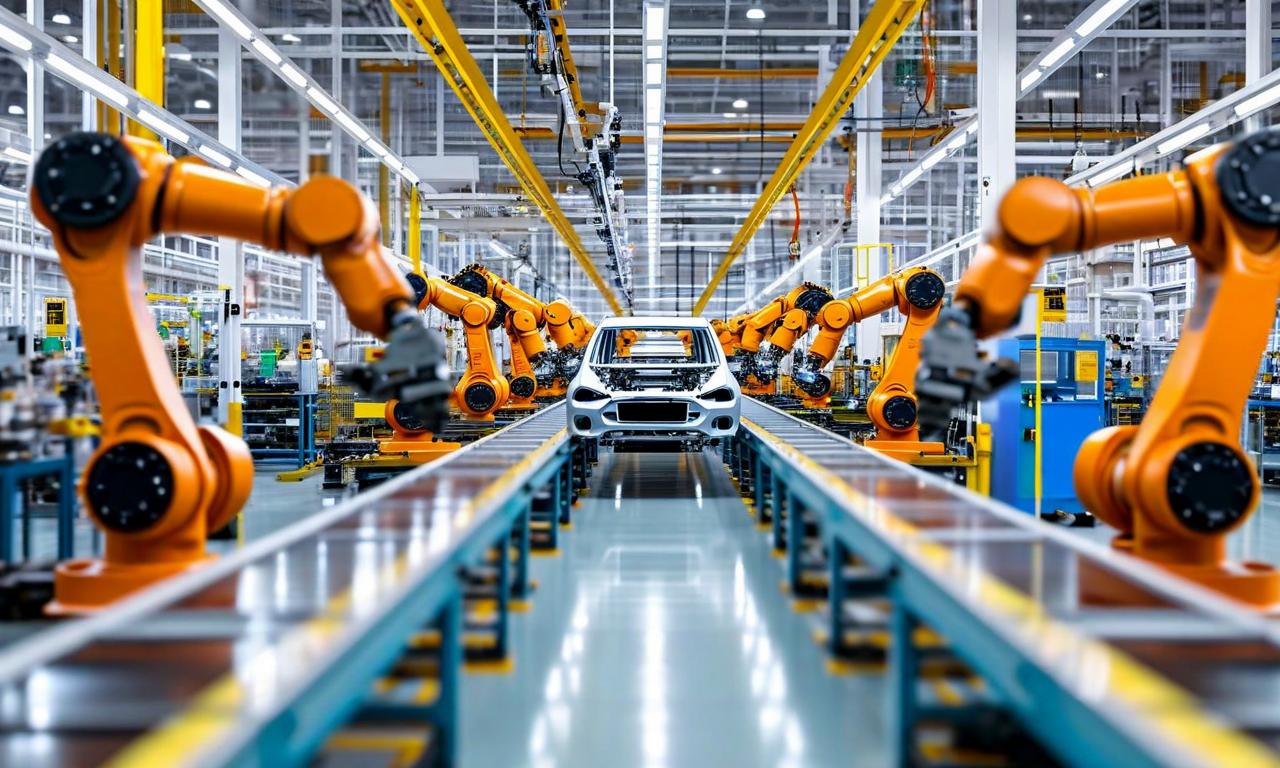
*this image is generated using AI for illustrative purposes only.

Toyota Motor Corporation reported declining global sales and production figures for November, highlighting the challenges facing major automakers in key international markets. The Japanese automotive giant's performance was significantly impacted by weakness in China, one of its most important markets.

Global Sales and Production Performance

Toyota's worldwide sales, including subsidiaries Daihatsu Motor Co. and Hino Motors Ltd., totaled 965,919 units in November, representing a 1.9% decrease from the same period in the previous year. The company's global production also declined, falling 3.4% to 934,001 vehicles.

Metric November Performance Year-over-Year Change
Global Sales 965,919 units -1.9%
Global Production 934,001 vehicles -3.4%

China Market Challenges

The most significant impact on Toyota's November performance came from the Chinese market, where sales of Toyota and Lexus brands dropped 12%. The company attributed this decline to the termination of trade-in subsidies in major cities, which had previously supported sales of electrified and fuel-efficient vehicles. The subsidy program was discontinued due to funding constraints.

China's decision to end these incentives has created headwinds for automakers who had benefited from government support for environmentally friendly vehicles. The policy change represents a shift in the Chinese government's approach to supporting automotive sales.

Regional Production Variations

Toyota's production results showed mixed performance across different regions in November:

Region Production Change
Thailand +15.0%
United States +9.0%
China -14.0%
Japan -9.7%
United Kingdom -7.9%

While production increased substantially in Thailand and showed solid growth in the United States, significant declines were recorded in China, Japan, and the United Kingdom. The production decrease in China aligns with the sales challenges the company faced in that market.

Market Context and Industry Challenges

Toyota's November results reflect broader challenges facing global automakers as they navigate trade tensions, regulatory changes, and shifting government policies. The automotive industry continues to balance immediate economic and policy pressures while maintaining focus on long-term market demand.

The performance demonstrates how policy changes in major markets can significantly impact multinational automakers' results, particularly when government incentives that support vehicle sales are modified or eliminated.

like18
dislike

Toyota Leads $11 Billion Japanese Auto Investment Surge in India

1 min read     Updated on 05 Nov 2025, 06:28 PM
scanx
Reviewed by
Anirudha BScanX News Team
Overview

Toyota, Honda, and Suzuki are collectively investing $11 billion to expand their presence in India's automotive market. Toyota plans to invest over $3 billion to expand production, build a new plant, and introduce 15 new models. Honda aims to make India a production base for electric vehicles and export to Japan and Asia from 2027. Suzuki is investing $8 billion to increase its production capacity from 2.5 million to 4 million cars annually. This shift is driven by intense competition in China's EV market, India's protective measures against Chinese competitors, lower production costs, government incentives, and India's robust economic growth. Japan's transport sector investment in India has increased sevenfold to 294 billion yen in 2024, while investment in China dropped 83% to 46 billion yen.

23893109

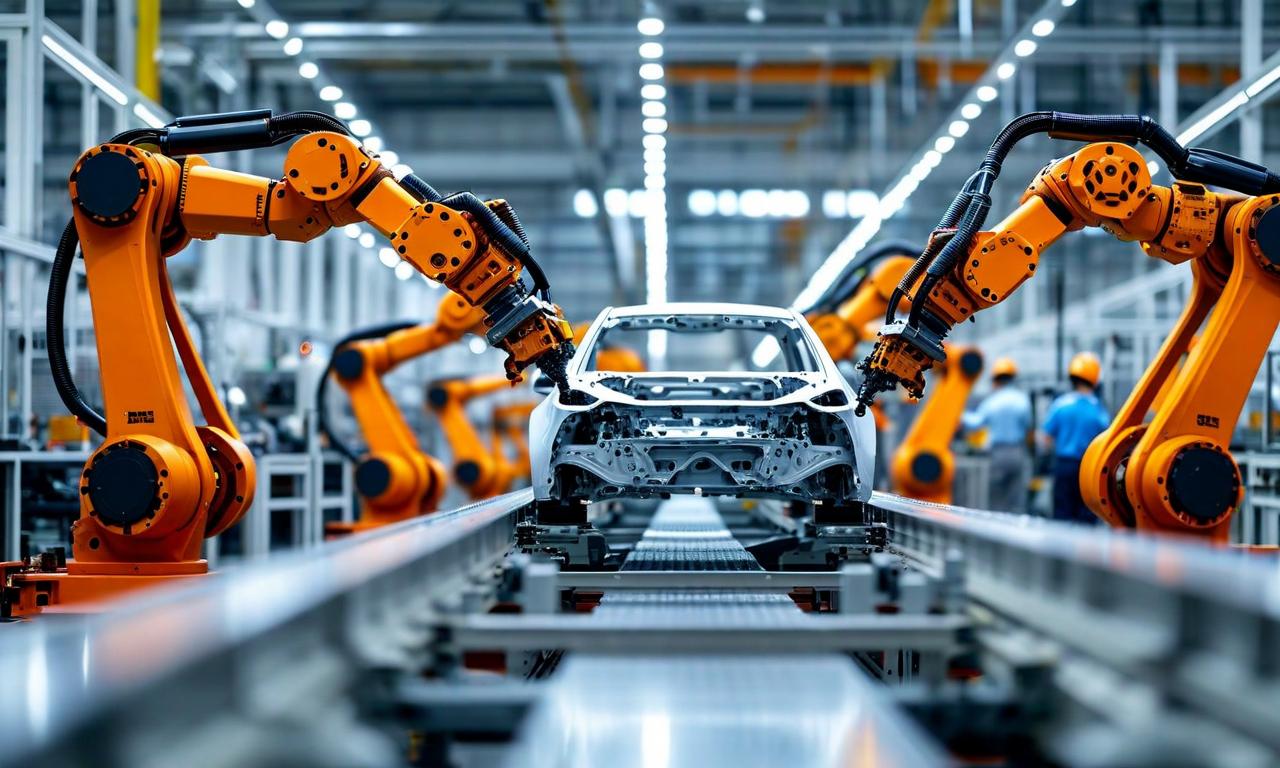
*this image is generated using AI for illustrative purposes only.

Japanese automakers Toyota, Honda, and Suzuki are making significant moves to expand their presence in India's growing automotive market. This strategic shift comes as these companies aim to reduce their dependence on China and capitalize on India's economic growth.

Major Investments and Expansion Plans

Toyota, Honda, and Suzuki have collectively announced investments totaling $11 billion to boost their manufacturing and export capabilities in India. Here's a breakdown of their plans:

Automaker Investment Key Plans
Toyota Over $3 billion - Expand existing production
  • Build a new plant
  • Introduce 15 new models
  • Aim for 10% market share by decade-end
  • Target over 1 million vehicle production capacity | | Honda | Undisclosed | - Make India a production base for electric vehicles
  • Export to Japan and Asia from 2027
  • Position India as second-largest car market focus after the US | | Suzuki | $8 billion | - Increase production capacity from 2.5 million to 4 million cars annually |

Shifting Investment Trends

The investment shift from China to India is evident in recent statistics:

Region Investment Change
India Japan's transport sector investment jumped sevenfold to 294.00 billion yen in 2024
China Investment dropped 83% to 46.00 billion yen

Driving Factors for the Shift

Several factors are contributing to this pivot towards India:

  1. Intense competition in China's EV market, leading to reduced profits
  2. India's protective measures against Chinese competitors
  3. Lower production costs in India
  4. Government incentives for manufacturing
  5. India's robust economic growth, averaging 8% over three years

India's Automotive Sector Performance

India's automotive industry has shown promising growth:

  • Total passenger car production: 5 million units
  • Exports: 800,000 units
  • Domestic sales growth: 2%
  • Export growth: 15%

This strategic move by Japanese automakers underscores India's growing importance in the global automotive landscape. As these companies expand their operations, it could lead to increased job opportunities, technological advancements, and a boost to India's economic growth. However, the success of these investments will depend on various factors, including market demand, government policies, and global economic conditions.

like20
dislike
Explore Other Articles
Power Mech Projects Subsidiary Secures ₹1,563 Crore BESS Contract from WBSEDCL 4 hours ago
Elpro International Acquires Additional Stake in Sundrop Brands for ₹39.18 Crores 5 hours ago
Transformers & Rectifiers Targets ₹8000 Crore Order Book by FY26 End 6 hours ago
Reliance Industries Schedules Board Meeting for January 16, 2026 to Approve Q3FY26 Financial Results 7 hours ago
Krishival Foods Limited Completes Rights Issue Allotment of 3.33 Lakh Partly Paid-Up Equity Shares 6 hours ago
Raymond Realty Board Approves Employee Stock Option Plan 2025 Following Demerger 6 hours ago