

Tesla Q4 Deliveries Miss Estimates at 418,227 Amid Continued Sales Decline


Tesla's fourth-quarter delivery results of 418,227 vehicles fell short of both analyst estimates and the company's own projections, highlighting the disconnect between investor enthusiasm for autonomous vehicles and actual sales performance. The results confirm Tesla's second consecutive year of declining vehicle sales amid intensifying competition, particularly in China, while the company's stock continues to outperform based on future robotaxi and AI promises.

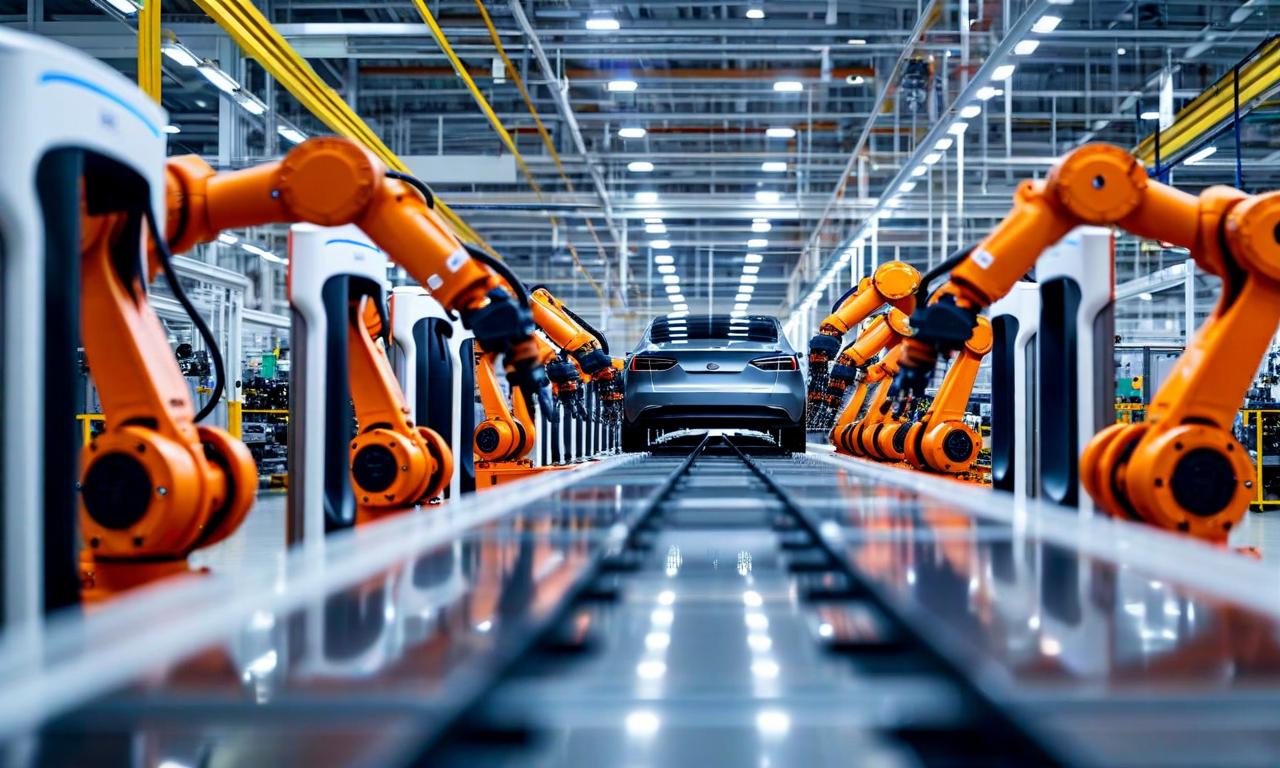

*this image is generated using AI for illustrative purposes only.
Tesla Inc. reported fourth-quarter deliveries of 418,227 vehicles, falling short of analyst estimates and confirming the company's ongoing sales challenges despite investor enthusiasm for autonomous vehicle development. The actual delivery figure came in below both Bloomberg's estimate of 440,907 vehicles and Tesla's own conservative projection of 422,850 vehicles published earlier.
Q4 Results Confirm Delivery Weakness
The reported delivery numbers represent a significant decline from the previous year and underscore the gap between Tesla's autonomous vehicle promises and current sales performance. The company's decision to publish its own conservative estimates proved prescient, as actual deliveries fell below even those reduced expectations.
| Delivery Metric | Actual Result | Bloomberg Estimate | Tesla's Estimate | Performance |
|---|---|---|---|---|
| Q4 Deliveries | 418,227 vehicles | 440,907 vehicles | 422,850 vehicles | Below all estimates |
| vs. Estimate Gap | -22,680 vehicles | -5.15% miss | -4,623 vehicles | Underperformance |
The delivery shortfall adds to concerns about Tesla's ability to maintain growth momentum in an increasingly competitive electric vehicle market, particularly as the company faces intensifying pressure in key markets like China.
Annual Sales Trajectory Shows Persistent Challenges
Wall Street's outlook for Tesla has grown increasingly pessimistic over the past two years. Analyst estimates for deliveries have plummeted dramatically - from predictions of more than 3 million vehicles two years ago to current projections around 1.80 million vehicles, marking Tesla's second consecutive year of declining vehicle sales.
| Performance Timeline | Previous Estimate | Current Reality | Change |
|---|---|---|---|
| Delivery Projections (2 years ago) | 3+ million vehicles | ~1.80 million vehicles | -40% revision |
| Annual Sales Trend | Growth trajectory | Second consecutive decline | Negative momentum |
"Tesla investors are focused on how the company might look five, 10, 15 years down the road, and really discounting what they see in the near term," said Garrett Nelson, an equity analyst at CFRA Research.
Stock Performance Defies Sales Reality
Despite vehicle sales challenges, Tesla's stock demonstrated remarkable resilience throughout the year. After plummeting 45% by early April amid CEO controversies, shares recovered dramatically following Musk's renewed focus on autonomous vehicle development.
| Stock Performance Metric | Value | Context |
|---|---|---|
| Market Cap Addition | $915+ billion | Added in just over 8 months |
| All-time High Date | December 16 | New record despite sales decline |
| Annual Performance | Positive territory | Outperforming vehicle delivery trends |
The recovery accelerated after Tesla launched an invite-only robotaxi service in Austin using Model Y vehicles with safety operators. Tesla's board subsequently proposed a new compensation package for Musk potentially worth $1 trillion based on milestones including delivering millions of robotaxis.
Competitive Pressures and Market Outlook
Tesla faces intensifying competition, particularly in China's crowded electric vehicle market. Companies including BYD Co. and Xiaomi Corp. now offer similar driver-assistance systems as standard features, undermining Tesla's differentiation strategy. Analysts expect BYD to have sold more battery-electric vehicles worldwide for a fifth consecutive quarter.
| Challenge Area | Impact | Details |
|---|---|---|
| China Competition | Market share pressure | BYD, Xiaomi offering similar features |
| FSD Adoption | Consumer resistance | Challenges persuading buyers |
| Regulatory Issues | Potential sales suspension | California allegations of misleading claims |
Looking ahead, Tesla faces additional headwinds as the US has ceased offering federal tax credits for EV purchases and leases, which Musk warned could lead to "a few rough quarters." However, some analysts see opportunity as major manufacturers pull back from EV investments, with Ford Motor Co. expecting $19.50 billion in charges from abandoned EV projects.
 17
17







 Create Custom Screeners
  Access 200+ Pre-built Filters
  Use 50+ Readymade Screener





