

Tesla Slashes South Korean Supplier Order by 99% Amid Cybertruck Production Challenges


South Korean battery material supplier L&F Co. has announced a 99% reduction in its supply contract with Tesla, dropping from 3.83 trillion won to 9.73 million won. This drastic cut is primarily linked to Tesla's Cybertruck production delays and shifting consumer preferences. The high-nickel cathode material was intended for Cybertruck batteries, but lower-than-expected production volumes led to reduced material requirements. The contract modification also reflects broader market shifts in the electric vehicle industry and the impact of policy changes such as the removal of Inflation Reduction Act subsidies.

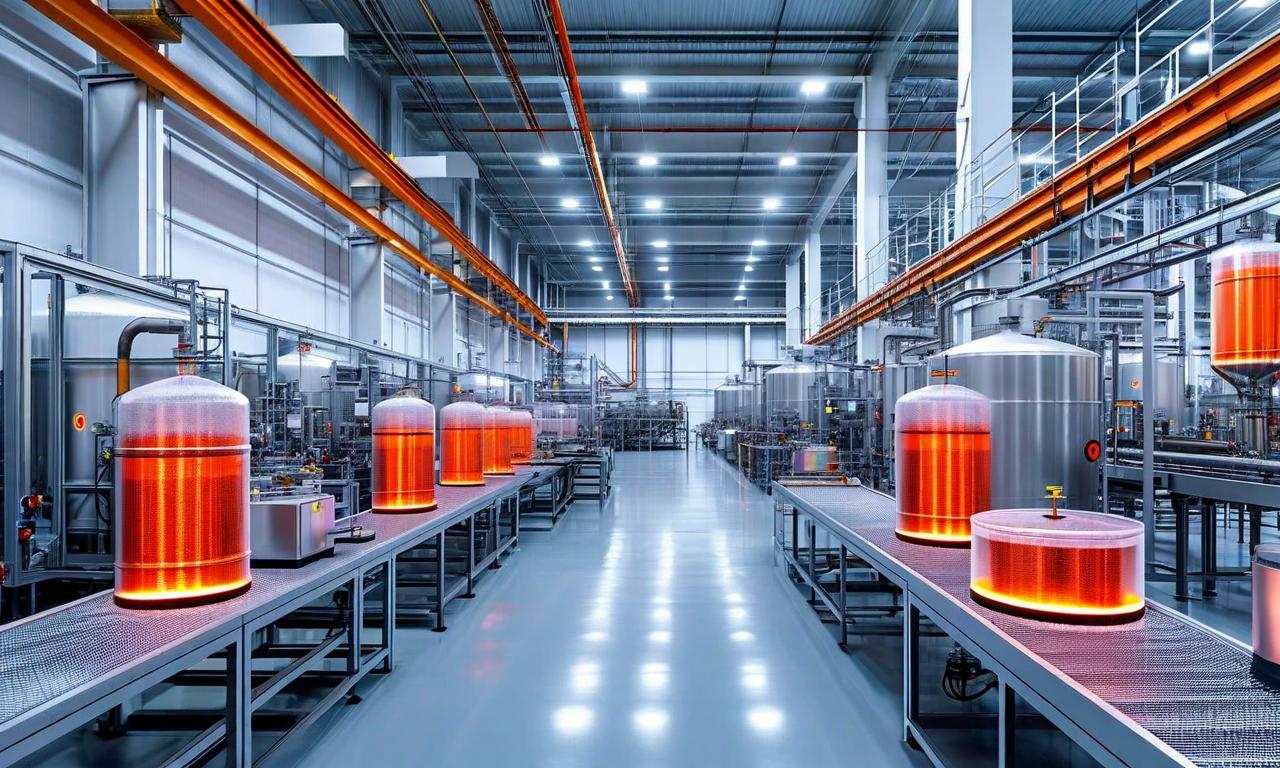

*this image is generated using AI for illustrative purposes only.
South Korean battery material supplier L&F Co. has revealed a dramatic 99% reduction in its Tesla supply contract, highlighting the challenges facing the electric vehicle manufacturer's Cybertruck program and broader market dynamics.
Massive Contract Reduction Details
The scale of the contract modification represents one of the most significant supplier adjustments in the electric vehicle industry. L&F disclosed the changes in a regulatory filing on Monday.
| Contract Details | Original (Feb 2023) | Revised Amount | Reduction |
|---|---|---|---|
| Value (Won) | 3.83 trillion | 9.73 million | 99% |
| Value (₹) | ₹22,400 crore | ₹7.2 crore | 99% |
| Contract Period | Jan 2024 - Current | Jan 2024 - Current | No change |
| Material Type | High-nickel cathode | High-nickel cathode | No change |
Cybertruck Production Challenges Impact Supply Chain
According to a person familiar with the situation, the high-nickel cathode material L&F was contracted to supply was specifically intended for Cybertruck batteries. The source, speaking anonymously about private business matters, indicated that Tesla's construction delays and shifting consumer preferences significantly impacted material requirements.
Customer demand patterns showed buyers increasingly choosing Tesla's established models over the Cybertruck:
- Model 3 sedan experiencing continued strong demand
- Model Y sport utility vehicle maintaining popularity
- Cybertruck facing repeated production delays
- Reduced material requirements due to lower-than-expected production volumes
Policy and Market Factors Influence Decision
Beyond production challenges, broader economic and policy considerations contributed to the contract modification. The removal of Inflation Reduction Act subsidies created additional market pressures, according to the source familiar with the matter.
L&F attributed the changes to inevitable market shifts, stating that modifications reflected "shifts in the global market for electric vehicles and the state of the battery supply." The company emphasized that schedules were adjusted to align with current market realities.
Company Response and Market Impact
L&F sought to reassure investors about its broader business operations despite the Tesla contract reduction. The company confirmed that shipments to major Korean cell manufacturers, including LG Energy Solution Ltd., continue proceeding smoothly.
| Market Performance | Details |
|---|---|
| Stock Movement (Tuesday) | -11% in Seoul |
| Year-to-date Performance | +16% |
| Benchmark Comparison | Kospi Index +76% |
| Other Major Customers | LG Energy Solution Ltd. |
The company stated there have been "no changes to shipments or customer supply of the company's flagship high-nickel product," indicating the Tesla contract represented a specific situation rather than broader operational challenges.
Industry Implications
The dramatic contract reduction illustrates the volatility in electric vehicle supply chains and the challenges suppliers face when major customers experience production difficulties. Tesla did not respond to requests for comment regarding the contract modifications.
The situation demonstrates how production delays and market shifts can cascade through the supply chain, affecting companies across multiple countries and creating significant financial impacts for suppliers who had planned operations around large-scale contracts.
 15
15






 Create Custom Screeners
  Access 200+ Pre-built Filters
  Use 50+ Readymade Screener





