Tesla Confirms Cybercab Production Start, Promises Epic 2026 with Major Milestones

2 min read     Updated on 31 Dec 2025, 11:25 AM
scanx
Reviewed by
Shriram SScanX News Team
Overview

Tesla confirmed Cybercab production start and highlighted major 2025 achievements including FSD V14 trials, robotaxi launch in Austin and San Francisco, and 18% Supercharger network expansion. The company's Q3 revenue grew 12% year-over-year to $28.10 billion, recovering from previous declines, while installing over one million Powerwalls and maintaining Model Y's global sales leadership. Tesla anticipates regulatory approval for supervised FSD in Europe by February 2026 and plans expanded robotaxi rollout.

28706115

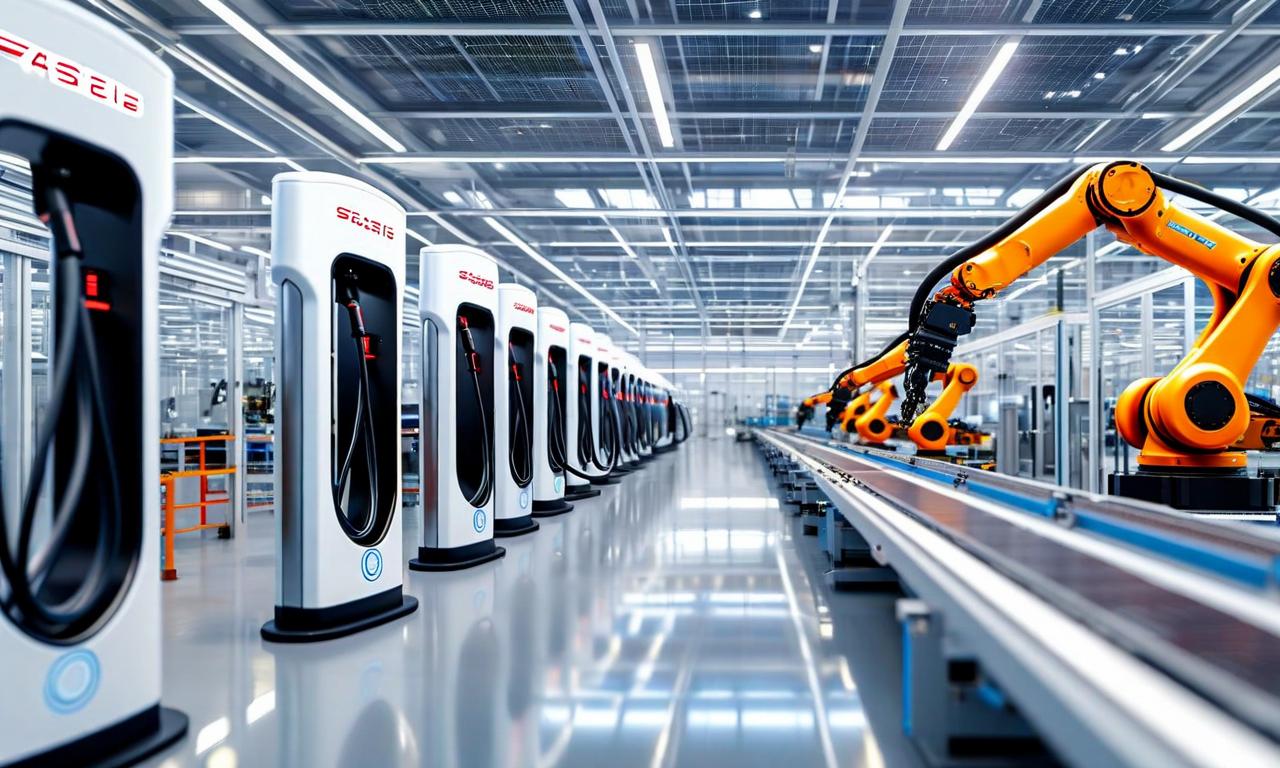
*this image is generated using AI for illustrative purposes only.

Tesla has officially confirmed the start of Cybercab production as part of its comprehensive 2025 achievements recap, with CEO Elon Musk declaring that 2026 will be "epic" for the electric vehicle manufacturer. The announcement came through a video highlighting the company's major milestones across electric vehicles, robotics, and sustainable energy initiatives throughout 2025.

Key 2025 Achievements and Milestones

Tesla's 2025 recap showcased significant progress across multiple business segments. The company successfully launched Full Self Driving (FSD) V14 trials and introduced robotaxi services in Austin and the San Francisco Bay Area, marking important steps in autonomous vehicle deployment. The Model Y maintained its position as the best-selling vehicle globally for another consecutive period.

Achievement Category Details
Autonomous Driving FSD V14 trials launched
Robotaxi Service Introduced in Austin and San Francisco Bay Area
Production Milestone Cybercab production commenced
Global Sales Model Y remains best-selling vehicle worldwide
Safety Recognition Cybertruck earned IIHS Top Safety Pick and NHTSA 5-star rating

Infrastructure and Energy Expansion

Tesla demonstrated substantial growth in its charging and energy storage infrastructure during 2025. The company's Supercharger network expanded by 18.00%, significantly enhancing charging accessibility for electric vehicle users. In the energy sector, Tesla installed over one million Powerwalls, their rechargeable home battery system, and unveiled the Megablock, a 20MWh battery energy storage system (BESS) in September.

The company also opened a Tesla diner in Hollywood, Los Angeles, expanding its brand presence beyond traditional automotive and energy sectors. These developments reflect Tesla's commitment to creating a comprehensive sustainable energy ecosystem.

Strong Q3 Financial Performance

Tesla's third-quarter financial results demonstrated a strong recovery trajectory. The company reported a 12.00% increase in revenue, reaching $28.10 billion compared to $25.18 billion in the same period the previous year. This growth marked a significant turnaround after two consecutive periods of revenue decline.

Financial Metric Q3 Current Period Q3 Previous Year Change
Total Revenue $28.10 billion $25.18 billion +12.00%
Growth Status Recovery period Declining trend Positive turnaround

However, the earnings results missed analyst estimates, indicating mixed performance despite the revenue growth. The financial performance occurred amid ongoing sales challenges in Europe, attributed to increased competition from manufacturers like BYD and consumer sentiment factors.

Future Outlook and Strategic Initiatives

With Cybercab production now confirmed, Tesla is positioning for expanded autonomous vehicle offerings, though regulatory approvals remain pending for full operational deployment. The company anticipates receiving regulatory approvals for supervised FSD in Europe as early as February 2026, which could significantly expand its autonomous driving market reach.

Tesla plans to continue expanding its robotaxi rollout beyond the current Austin and San Francisco Bay Area markets. The company is also advancing its Optimus robot development, with leadership indicating substantial future revenue potential from this robotics initiative. These strategic initiatives position Tesla for continued growth across its diversified technology portfolio as it moves into 2026.

like17
dislike

Tesla Q4 Deliveries Miss Estimates at 418,227 Amid Continued Sales Decline

3 min read     Updated on 30 Dec 2025, 11:07 PM
scanx
Reviewed by
Shriram SScanX News Team
Overview

Tesla's fourth-quarter delivery results of 418,227 vehicles fell short of both analyst estimates and the company's own projections, highlighting the disconnect between investor enthusiasm for autonomous vehicles and actual sales performance. The results confirm Tesla's second consecutive year of declining vehicle sales amid intensifying competition, particularly in China, while the company's stock continues to outperform based on future robotaxi and AI promises.

28661840

*this image is generated using AI for illustrative purposes only.

Tesla Inc. reported fourth-quarter deliveries of 418,227 vehicles, falling short of analyst estimates and confirming the company's ongoing sales challenges despite investor enthusiasm for autonomous vehicle development. The actual delivery figure came in below both Bloomberg's estimate of 440,907 vehicles and Tesla's own conservative projection of 422,850 vehicles published earlier.

Q4 Results Confirm Delivery Weakness

The reported delivery numbers represent a significant decline from the previous year and underscore the gap between Tesla's autonomous vehicle promises and current sales performance. The company's decision to publish its own conservative estimates proved prescient, as actual deliveries fell below even those reduced expectations.

Delivery Metric Actual Result Bloomberg Estimate Tesla's Estimate Performance
Q4 Deliveries 418,227 vehicles 440,907 vehicles 422,850 vehicles Below all estimates
vs. Estimate Gap -22,680 vehicles -5.15% miss -4,623 vehicles Underperformance

The delivery shortfall adds to concerns about Tesla's ability to maintain growth momentum in an increasingly competitive electric vehicle market, particularly as the company faces intensifying pressure in key markets like China.

Annual Sales Trajectory Shows Persistent Challenges

Wall Street's outlook for Tesla has grown increasingly pessimistic over the past two years. Analyst estimates for deliveries have plummeted dramatically - from predictions of more than 3 million vehicles two years ago to current projections around 1.80 million vehicles, marking Tesla's second consecutive year of declining vehicle sales.

Performance Timeline Previous Estimate Current Reality Change
Delivery Projections (2 years ago) 3+ million vehicles ~1.80 million vehicles -40% revision
Annual Sales Trend Growth trajectory Second consecutive decline Negative momentum

"Tesla investors are focused on how the company might look five, 10, 15 years down the road, and really discounting what they see in the near term," said Garrett Nelson, an equity analyst at CFRA Research.

Stock Performance Defies Sales Reality

Despite vehicle sales challenges, Tesla's stock demonstrated remarkable resilience throughout the year. After plummeting 45% by early April amid CEO controversies, shares recovered dramatically following Musk's renewed focus on autonomous vehicle development.

Stock Performance Metric Value Context
Market Cap Addition $915+ billion Added in just over 8 months
All-time High Date December 16 New record despite sales decline
Annual Performance Positive territory Outperforming vehicle delivery trends

The recovery accelerated after Tesla launched an invite-only robotaxi service in Austin using Model Y vehicles with safety operators. Tesla's board subsequently proposed a new compensation package for Musk potentially worth $1 trillion based on milestones including delivering millions of robotaxis.

Competitive Pressures and Market Outlook

Tesla faces intensifying competition, particularly in China's crowded electric vehicle market. Companies including BYD Co. and Xiaomi Corp. now offer similar driver-assistance systems as standard features, undermining Tesla's differentiation strategy. Analysts expect BYD to have sold more battery-electric vehicles worldwide for a fifth consecutive quarter.

Challenge Area Impact Details
China Competition Market share pressure BYD, Xiaomi offering similar features
FSD Adoption Consumer resistance Challenges persuading buyers
Regulatory Issues Potential sales suspension California allegations of misleading claims

Looking ahead, Tesla faces additional headwinds as the US has ceased offering federal tax credits for EV purchases and leases, which Musk warned could lead to "a few rough quarters." However, some analysts see opportunity as major manufacturers pull back from EV investments, with Ford Motor Co. expecting $19.50 billion in charges from abandoned EV projects.

like15
dislike
Explore Other Articles
Power Mech Projects Subsidiary Secures ₹1,563 Crore BESS Contract from WBSEDCL 4 hours ago
Elpro International Acquires Additional Stake in Sundrop Brands for ₹39.18 Crores 5 hours ago
Transformers & Rectifiers Targets ₹8000 Crore Order Book by FY26 End 6 hours ago
Reliance Industries Schedules Board Meeting for January 16, 2026 to Approve Q3FY26 Financial Results 7 hours ago
Krishival Foods Limited Completes Rights Issue Allotment of 3.33 Lakh Partly Paid-Up Equity Shares 6 hours ago
Raymond Realty Board Approves Employee Stock Option Plan 2025 Following Demerger 6 hours ago