South Korea Announces Plans to Reduce Auto Tariffs to 15%

1 min read     Updated on 29 Oct 2025, 03:55 PM
scanx
Reviewed by
Anirudha BScanX News Team
Overview

South Korea's Presidential Policy Chief announced plans to lower automotive import tariffs to 15%. This potential policy shift could increase competition in the domestic auto market, provide easier access for international automakers, and offer South Korean consumers a wider range of imported vehicles at potentially lower prices. The move may be part of a broader economic strategy to stimulate competition and improve trade relations, though specific implementation details and timeline are yet to be announced.
23279150

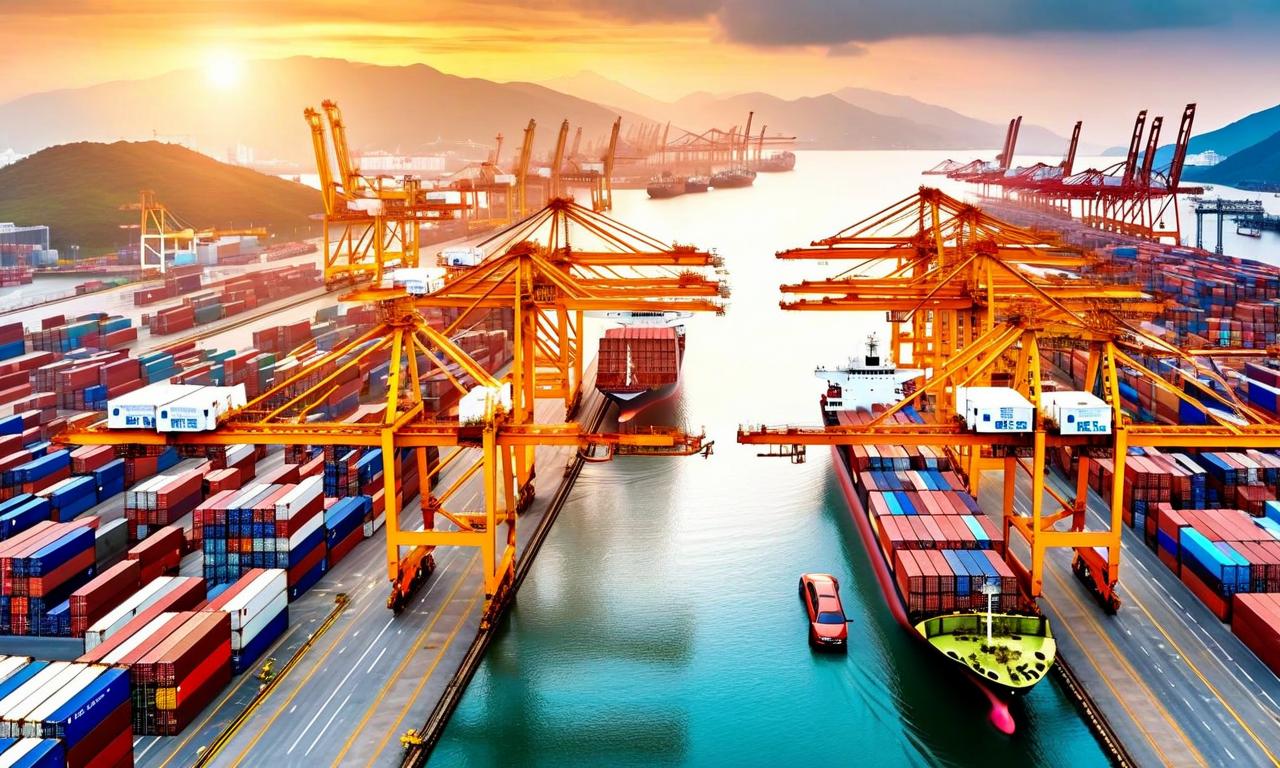
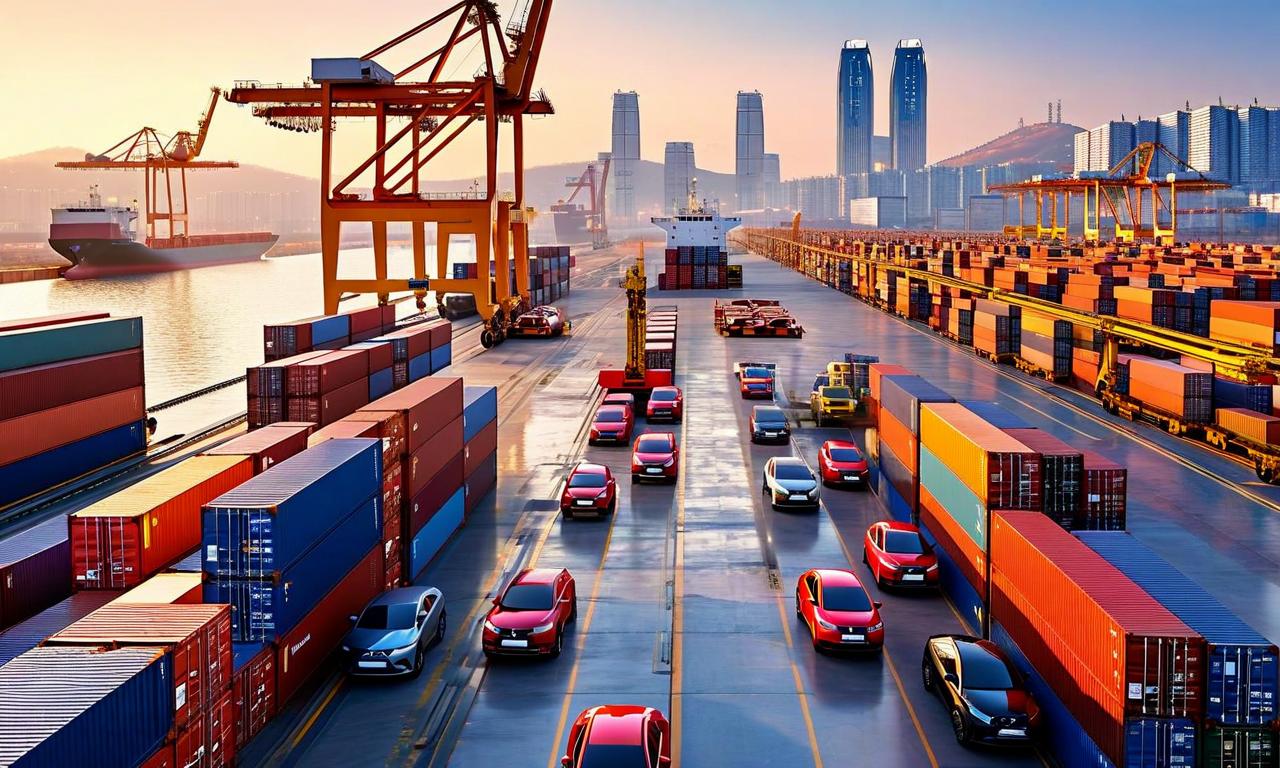
*this image is generated using AI for illustrative purposes only.

South Korea has announced a potential policy shift in its automotive sector, with plans to reduce import duties on automobiles. This development, revealed by the country's Presidential Policy Chief, may mark a notable change in South Korea's trade policy.

Key Points of the Announcement

  • Planned Tariff Reduction: South Korea aims to lower automotive tariffs to 15%.
  • Potential Policy Shift: This move could indicate a change towards more liberal import policies for automobiles.
  • Possible Impact: The reduction might affect both domestic and international automotive markets.

Potential Implications for the Automotive Industry

This policy change, if implemented, could have several implications:

  1. Increased Competition: Lower tariffs may lead to more competitive pricing for imported vehicles in the South Korean market.
  2. Market Access: International automakers might find it easier to enter or expand their presence in the South Korean market.
  3. Consumer Choice: South Korean consumers may have access to a wider range of imported vehicles at potentially lower prices.

Economic Considerations

The decision to reduce auto tariffs is likely part of a broader economic strategy. It may be aimed at:

  • Stimulating competition in the domestic auto market
  • Improving trade relations with automotive exporting countries
  • Potentially paving the way for reciprocal tariff reductions by trading partners

While the full economic impact remains to be seen, this move signals South Korea's potential willingness to open its automotive market further to international competition.

It's important to note that the implementation timeline and specific details of this tariff reduction have not been provided in the announcement. Stakeholders in the automotive industry, both in South Korea and internationally, will likely be watching closely for further developments and the actual implementation of this policy change.

like19
dislike

South Korea's Exports Decline 6.1% Despite More Working Days, US Tariffs Weigh Heavy

1 min read     Updated on 01 Oct 2025, 08:17 AM
scanx
Reviewed by
Shriram SScanX News Team
Overview

South Korea's working-day adjusted exports declined 6.1% year-over-year in September, despite a headline increase of 12.7%. The discrepancy is due to more working days this year. US tariffs, including a 15% universal tariff and 25% on automobiles, significantly impacted exports, with shipments to the US falling 1.4%. Steel exports were particularly affected by doubled duties. However, semiconductor exports rose 22% and automobile exports gained 17%. The trade balance remained positive with a $9.6 billion surplus, while imports increased by 8.2%.

20832460

*this image is generated using AI for illustrative purposes only.

South Korea's export sector faced headwinds in September, with working-day adjusted exports declining 6.1% year-over-year, despite a headline increase of 12.7%. This downturn comes after three consecutive months of gains, highlighting the complex dynamics at play in the country's trade landscape.

Calendar Quirks and Tariff Impacts

The apparent discrepancy between headline and adjusted figures stems from a significant increase in working days - 24 in September 2023 compared to 20 in the previous year, due to shifts in holiday timing. This calendar quirk, while boosting raw export numbers, masks the underlying challenges faced by Korean exporters.

US Tariffs Take Their Toll

A major factor contributing to the export decline is the impact of US tariffs. Korean exports are grappling with a 15% universal tariff imposed by the United States, along with a hefty 25% duty specifically targeting Korean automobiles. As a result, shipments to the US fell by 1.4% for the second consecutive month.

The steel industry bore the brunt of these trade tensions, with exports particularly affected after duties doubled to 50%. This sharp increase in tariffs has significantly hampered South Korea's ability to compete in the US steel market.

Bright Spots: Semiconductors and Automobiles

Despite the overall decline, certain sectors showed resilience and even growth:

  • Semiconductor Exports: Jumped by 22%, driven by increasing demand for AI-related memory chips.
  • Automobile Exports: Gained 17%, showcasing the sector's ability to navigate challenges.

Trade Balance and Imports

The trade balance remained positive, with South Korea achieving a surplus of $9.6 billion. Imports rose by 8.2%, indicating domestic demand and potentially reflecting higher costs for imported goods and materials.

Economic Implications

With exports representing over 40% of South Korea's GDP, these trade figures carry significant weight for the nation's economic outlook. The mixed signals - declining adjusted exports alongside growth in key sectors - present a complex picture for policymakers.

Upcoming Monetary Policy Decision

The Bank of Korea is scheduled to make its next monetary policy decision on October 23. These latest export figures are likely to be a crucial factor in their deliberations, as they balance the needs of export-oriented industries against broader economic concerns.

As South Korea navigates these turbulent trade waters, the interplay between global tariff policies, sector-specific performance, and domestic economic strategies will continue to shape the country's economic trajectory in the coming months.

like19

dislike
Explore Other Articles
Transformers & Rectifiers Targets ₹8000 Crore Order Book by FY26 End 6 hours ago
Reliance Industries Schedules Board Meeting for January 16, 2026 to Approve Q3FY26 Financial Results 7 hours ago
Krishival Foods Limited Completes Rights Issue Allotment of 3.33 Lakh Partly Paid-Up Equity Shares 6 hours ago
Raymond Realty Board Approves Employee Stock Option Plan 2025 Following Demerger 6 hours ago
Power Mech Projects Subsidiary Secures ₹1,563 Crore BESS Contract from WBSEDCL 4 hours ago
Elpro International Acquires Additional Stake in Sundrop Brands for ₹39.18 Crores 5 hours ago