
 NewsSilver Expected to Remain Volatile While Gold Stabilizes in 2026, Says Shriram Life Insurance CIO
Silver Expected to Remain Volatile While Gold Stabilizes in 2026, Says Shriram Life Insurance CIO


Ajit Banerjee of Shriram Life Insurance predicts that gold and silver will follow different trajectories in 2026 after their stellar 2025 performance. Gold is expected to become a stable strategic hedge, while silver may remain volatile due to industrial demand shifts and China's recovery. The 2025 rally was driven by de-dollarization, central bank buying, geopolitical uncertainties, and ETF investments, but returns are expected to be more measured in 2026.

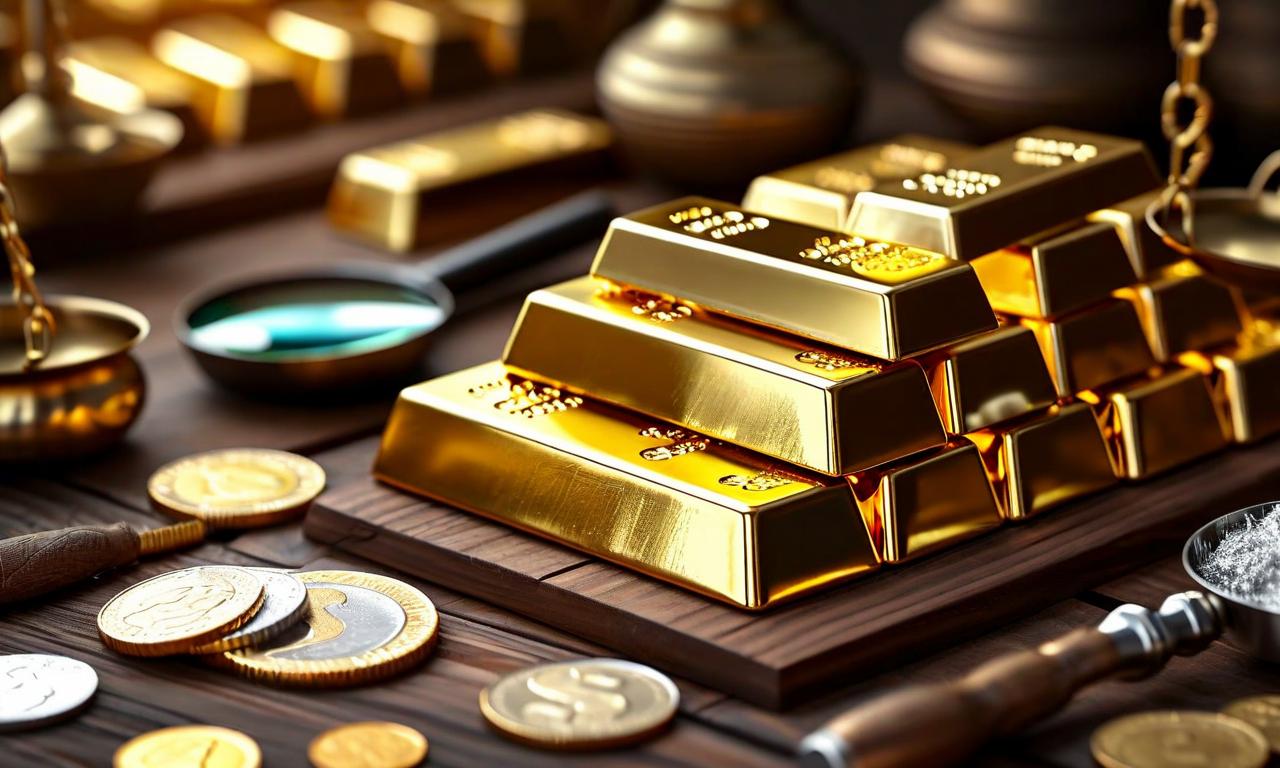

*this image is generated using AI for illustrative purposes only.
Following an exceptional year for precious metals in 2025, market experts are anticipating a potential divergence in the performance of gold and silver during 2026. Ajit Banerjee, President and Chief Investment Officer at Shriram Life Insurance, has outlined distinct expectations for these two metals, suggesting that their paths may significantly differ in the coming year.
Precious Metals Outlook for 2026
Banerjee explains that gold and silver delivered outstanding returns in 2025, creating what he describes as "FOMO-type buying" that further fueled the rally. The performance was characterized by an almost one-way upward movement, with only a brief pause following Diwali when prices took a temporary breather.
| Key Rally Drivers | Impact |
|---|---|
| De-dollarization trend | Continued momentum |
| Central bank buying | Aggressive reserve diversification |
| Geopolitical issues | Trade and tariff uncertainties |
| ETF investments | Significant pickup in investor interest |
Looking ahead to 2026, Banerjee anticipates that gold will regain its role as a relatively stable strategic hedge, while silver could remain far more volatile. The volatility in silver is expected to be driven by shifts in industrial demand, global growth expectations, and China's recovery trajectory.
Market Dynamics and Potential Shifts
The continued rally in precious metals is expected to persist into 2026, primarily supported by sustained investor interest in Gold and Silver ETFs. However, Banerjee cautions that market dynamics could shift if certain conditions emerge.
Potential factors that could redirect investor focus include:
- Rising bond yields
- Broad-based equity market rally
- Improved performance in alternative asset classes
Despite these potential headwinds, the expert maintains that gold's fundamental appeal as a strategic hedge remains intact, though he expects returns to be "more measured versus 2025."
Key Investment Considerations
For investors recalibrating their precious metals allocation, Banerjee emphasizes the importance of tracking several key triggers. The industrial demand component for silver makes it particularly sensitive to global economic recovery patterns, especially developments in China's economic trajectory.
The expert's analysis suggests that while both metals benefited from similar macroeconomic factors in 2025, their performance drivers may become more distinct in 2026. Gold's traditional role as a safe-haven asset is expected to provide more stability, while silver's dual nature as both a precious metal and industrial commodity could result in higher volatility.
Market Implications
The divergent outlook for gold and silver reflects broader market expectations about global economic conditions and industrial demand patterns. Banerjee's assessment indicates that investors should prepare for different risk-return profiles when considering these metals in their portfolios.
The continued interest in precious metals ETFs suggests that institutional and retail investor appetite remains strong, providing a supportive foundation for the sector. However, the expert's measured outlook for gold returns compared to 2025's exceptional performance indicates a more normalized market environment ahead.
 15
15






 Access 50+ Readymade Screeners
  Use 200+ Custom Filters
  Get Full Market Insights





