

Shapiro Slams Trump for Selling Advanced Chips to China, Calls It Mistake


- Josh Shapiro called the sale of advanced chips to China a mistake that aids Beijing's AI race
- Reports indicate ByteDance and Tencent each received around 10,000 Nvidia H200 processors
- Trump dismissed AI safety concerns as a hoax while Shapiro urged tighter oversight and transparency
- Jensen Huang is expected to attend a White House dinner during Xi Jinping's visit on Sept. 24
- China accused the US of double standards in AI regulation and urged international cooperation

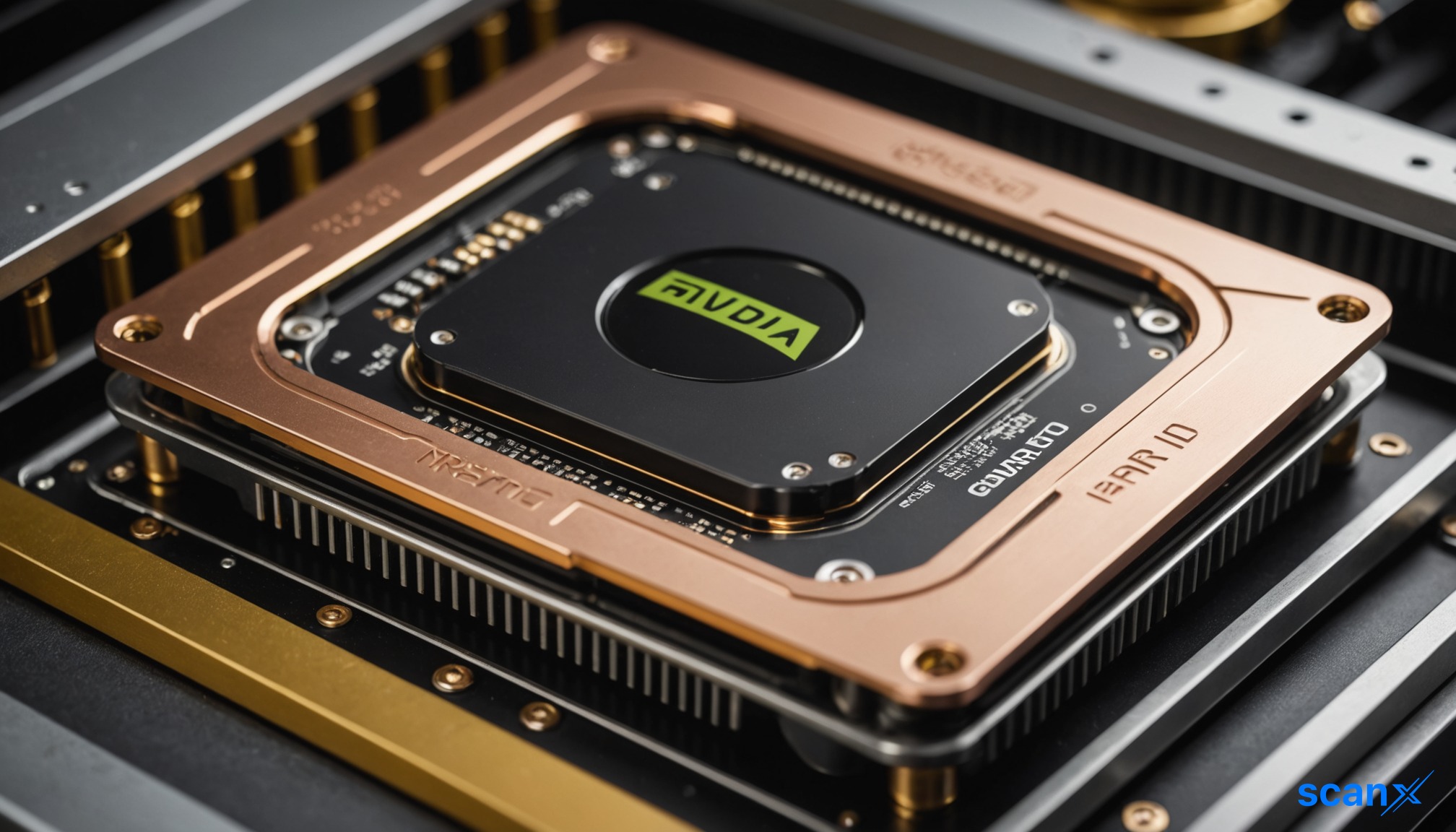

*this image is generated using AI for illustrative purposes only.
Pennsylvania Governor Josh Shapiro criticized President Donald Trump’s administration for allegedly assisting China in the artificial intelligence race. Speaking at the AI Horizons 2026 Summit in Pittsburgh, Shapiro called the sale of advanced chips to Chinese companies a mistake that undermines US leadership.
Shapiro argued that these actions contradict calls for the US to outpace China in AI development. He stated that real leadership requires keeping America ahead in innovation and urged Washington to stop alienating allies. The governor emphasized the need for international cooperation on responsible AI regulation and safety frameworks.
Nvidia Chip Shipments Under Scrutiny
The comments followed an August report indicating limited batches of Nvidia Corp. (NASDAQ: NVDA) H200 AI chips were shipped to China despite restrictions. Reports suggested Chinese tech giants ByteDance and Tencent Holdings Ltd. (OTC: TCEHY) received around 10,000 H200 processors each.
Nvidia CEO Jensen Huang is expected to attend a White House dinner during Xi Jinping’s visit to Washington on Sept. 24. The White House stated Trump invited prominent US business leaders to prioritize deals benefiting the US. Huang has maintained close ties with Trump, joining him on a May trip to China and attending a dinner hosted by the Chinese President.
Divergent Views on AI Regulation
Trump dismissed AI-safety concerns as a hoax, arguing existing government powers are sufficient. He warned that tighter regulations could weaken the US against China. In contrast, Shapiro called for tighter oversight of frontier AI models, greater transparency requirements, and independent evaluations before widespread deployment.
China’s People’s Daily accused the US of applying double standards to AI model distillation last week. It urged cooperation on AI risks and warned against turning the technology into a tool of great-power competition. Shapiro urged making AI a top agenda item when Trump meets with Xi Jinping next week.
What the Numbers Show
The disclosure that ByteDance and Tencent each received approximately 10,000 H200 processors highlights the scale of specific corporate access to restricted technology. This volume suggests that despite broad export controls, significant quantities of advanced hardware are reaching major Chinese tech firms, directly impacting the competitive landscape Shapiro described.

How might the upcoming White House dinner between Jensen Huang and President Trump influence the enforcement of current Nvidia chip export restrictions to China?
What specific regulatory frameworks could the US and China agree upon during the Shapiro-Xi agenda discussions to balance AI safety with competitive innovation?
Will the revelation of H200 chip shipments to ByteDance and Tencent prompt Congress to introduce stricter penalties for US semiconductor companies violating export controls?
 18
18



 Create Custom Screeners
  Access 200+ Pre-built Filters
  Use 50+ Readymade Screener





