

Saudi oil export halts push German energy prices up 10.5% YoY


- Saudi Aramco halted crude exports to European refiners following Houthi attacks on key infrastructure
- Germany's energy product prices rose 10.5% YoY in August, with mineral oil producer prices up 40.5%
- US average diesel prices hit a record high of $6.45/gallon amid global supply constraints
- JP Morgan pegs oil fair value at $90 versus current prices above $100, citing unmodelable war risks
- The 1,200-km East-West Pipeline, carrying 4%–5% of global supply, is expected to resume in six weeks

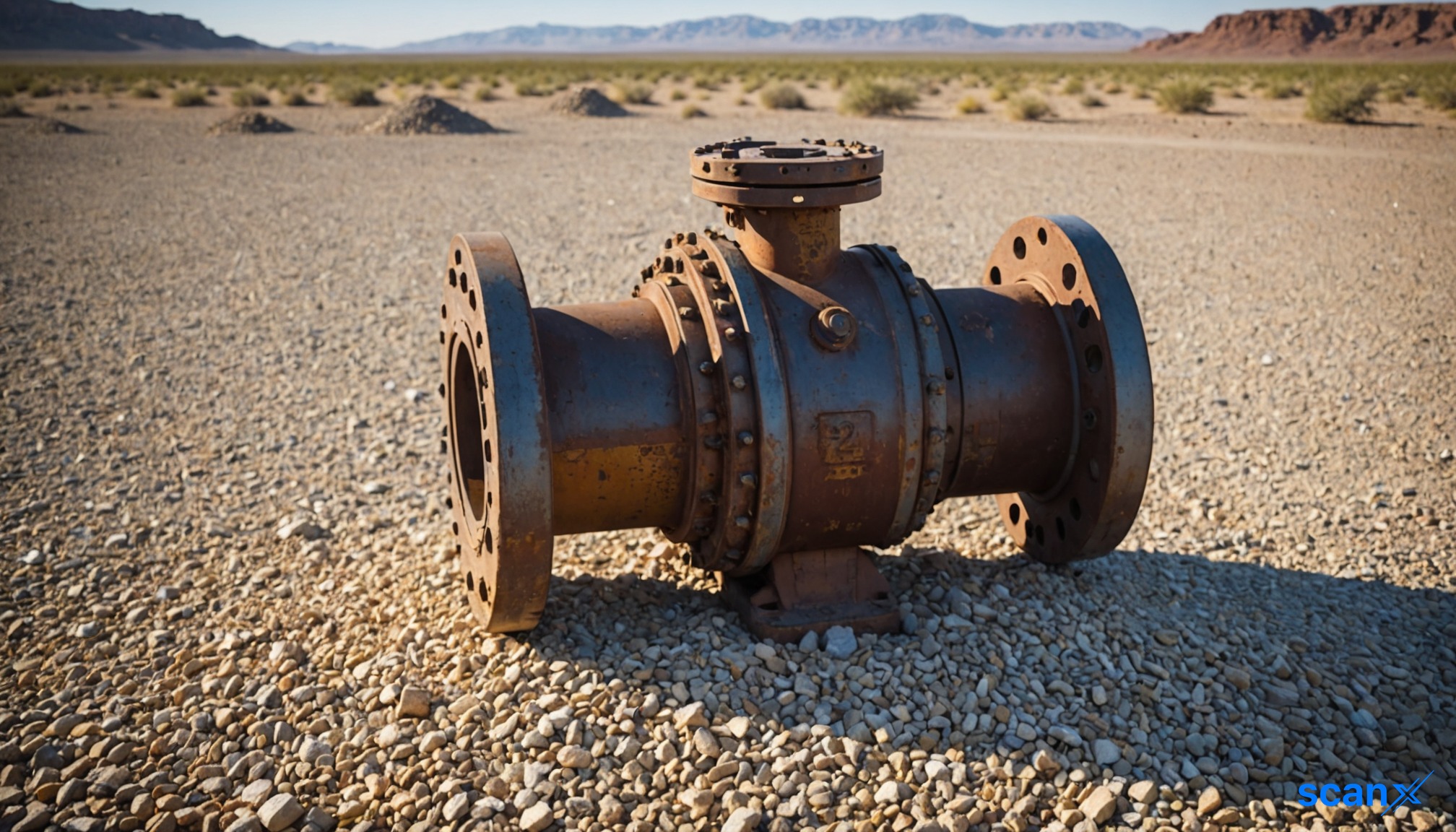

*this image is generated using AI for illustrative purposes only.
Geopolitical instability in the Middle East has triggered a supply shock that is driving energy costs higher across Europe and the United States. Saudi Aramco halted crude shipments to European refiners following attacks on key infrastructure.
The disruption stems from Houthi rebel attacks on Saudi Arabia and its oil facilities. The Strait of Hormuz remains largely closed to normal commercial shipping. Saudi Arabia shut its East-West pipeline last week after a drone attack. Reuters reported the line is expected to return to full operation within six weeks.
Supply Chain Disruptions
Saudi Aramco informed at least two European refining customers they will receive no crude oil next month. This follows an attack on the pipeline connecting Saudi fields to the Red Sea port of Yanbu. The 1,200-km East-West Pipeline carried 4 million to 5 million barrels per day, equivalent to 4%–5% of global oil supply.
Refiners are shifting to pricier alternative grades from West Africa or the U.S. Gulf Coast. This tightens global spare capacity and adds upward pressure on Brent relative to WTI prices.
Inflationary Pressure
The supply shock is translating directly into consumer price inflation. Germany’s energy product prices were 10.5% higher in August 2026 compared to the same period last year. Producer prices for mineral oil products rose 40.5% year-on-year in August.
Ruth Brand, President of the Federal Statistical Office, stated that higher energy prices caused primarily by the war in Iran drove overall inflation. Motor fuel prices saw particularly noticeable rises.
In the United States, average diesel prices reached a new all-time high of $6.45/gallon on Friday. Traders are pricing out near-term ECB rate cuts due to sustained European energy cost increases.
Market Pricing and Outlook
JP Morgan Chase & Co. stated it cannot reliably model the economic endgame of the conflict. Oil prices, inflation, and borrowing costs have moved beyond earlier assumptions. The bank pegs oil’s fair value at roughly $90 a barrel versus current prices above $100.
The widening Brent premium functions as a proxy for geopolitical risk. Any de-escalation could compress the premium, while further attacks would likely widen it. Markets are pricing geopolitical risk as a structural feature rather than a temporary shock.
What the Numbers Show
The divergence between JP Morgan’s fair value estimate of $90 and the current price above $100 indicates a significant geopolitical risk premium embedded in oil markets. This premium reflects trader expectations that supply stability cannot be restored through diplomacy alone, given the closure of the Strait of Hormuz and disruption of pipelines carrying 4%–5% of global supply.

How might the sustained Brent-WTI price divergence impact U.S. shale producers' export competitiveness and investment strategies?
What alternative supply routes or strategic reserve releases could European refiners deploy if the East-West pipeline restoration is delayed beyond six weeks?
Will the European Central Bank prioritize inflation control over growth support, potentially forcing a delay in rate cuts despite economic slowdown risks?
 16
16





 Access 50+ Readymade Screeners
  Use 200+ Custom Filters
  Get Full Market Insights





