

Sanders slams Trump over EPA rollback as gas prices top $4.30


- Sen. Bernie Sanders criticized President Trump for rescinding EPA power plant pollution limits
- Sanders cited record heat in August and US summers as context for opposing the rollback
- National average gasoline prices exceeded $4.30 amid ongoing tensions with Iran
- Gov. JB Pritzker demanded oil companies refund consumers for windfall profits
- Gov. Gavin Newsom accused the administration of ignoring energy shock impacts

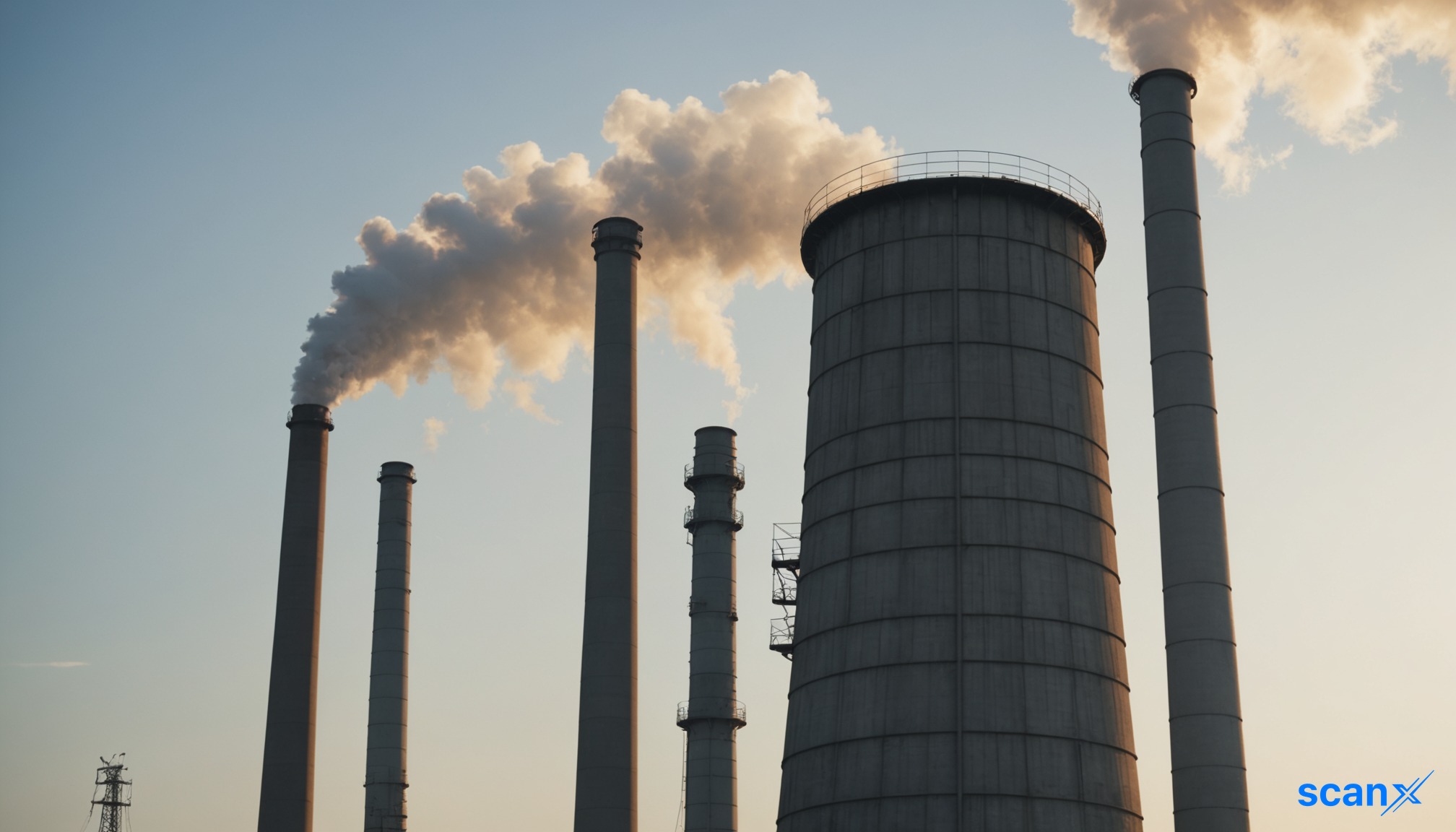

*this image is generated using AI for illustrative purposes only.
Sen. Bernie Sanders (I-VT) accused President Donald Trump of favoring fossil fuel interests by rescinding greenhouse gas standards for power plants. The Vermont Independent cited record global temperatures and rising fuel costs as evidence that the administration prioritizes short-term corporate profits over environmental stability.
Policy Reversal and Climate Concerns
The criticism follows the Environmental Protection Agency’s decision to repeal Biden-era emissions rules. EPA Administrator Lee Zeldin defended the move as necessary to keep energy prices affordable for consumers.
Sanders highlighted recent climate data to contextualize the policy shift. He noted that the US just experienced its hottest summer in recorded history. Additionally, August tied for the hottest global month ever recorded. Sanders argued that the administration is trading the planet’s future for the benefit of "Big Oil billionaire friends."
Rising Fuel Costs and Political Backlash
The political dispute occurs against a backdrop of elevated energy prices. The national average price for a gallon of gasoline exceeded $4.30 on Sunday. This surge coincides with ongoing geopolitical tensions involving Iran, which have disrupted supply chains and driven up costs.
State officials have also weighed in on the economic impact:
- Gov. Jay Robert ‘JB’ Pritzker (D-IL) demanded that oil companies refund consumers through price reductions or direct payments, citing windfall profits during the crisis.
- Gov. Gavin Newsom (D-CA) accused Energy Secretary Chris Wright and President Trump of engaging in conflict with Iran despite knowing the adverse impact on US energy costs.
What the Numbers Show
The divergence between corporate profitability and consumer cost burdens is evident in the current market data. While oil producers report windfall gains due to war-driven demand spikes, retail fuel prices have crossed the $4.30 threshold. This gap has prompted bipartisan calls for refunds, suggesting that operational efficiencies or strategic reserves have not yet translated into lower pump prices for consumers.

How might the repeal of power plant emissions standards influence long-term investment trends in renewable energy versus fossil fuel infrastructure?
What potential legal challenges could the EPA face from states like California and Illinois regarding the rollback of Biden-era climate regulations?
Could sustained geopolitical tensions with Iran lead to further volatility in global oil markets, exacerbating domestic inflation pressures?
 16
16







 Create Custom Screeners
  Access 200+ Pre-built Filters
  Use 50+ Readymade Screener





