Samsung Electronics Eyes Record Earnings After $350 Billion Market Rally

2 min read     Updated on 07 Jan 2026, 07:34 AM
scanx
Reviewed by
Shraddha JScanX News Team
Overview

Samsung Electronics has completed a remarkable turnaround with its stock more than doubling and adding $350 billion in market value since last year. The company is reportedly nearing a crucial Nvidia deal for HBM chips while benefiting from rising legacy DRAM prices due to production constraints. Analysts have raised earnings projections by 115%, far exceeding competitors, as Samsung transitions from AI laggard to potential market leader.

29297039

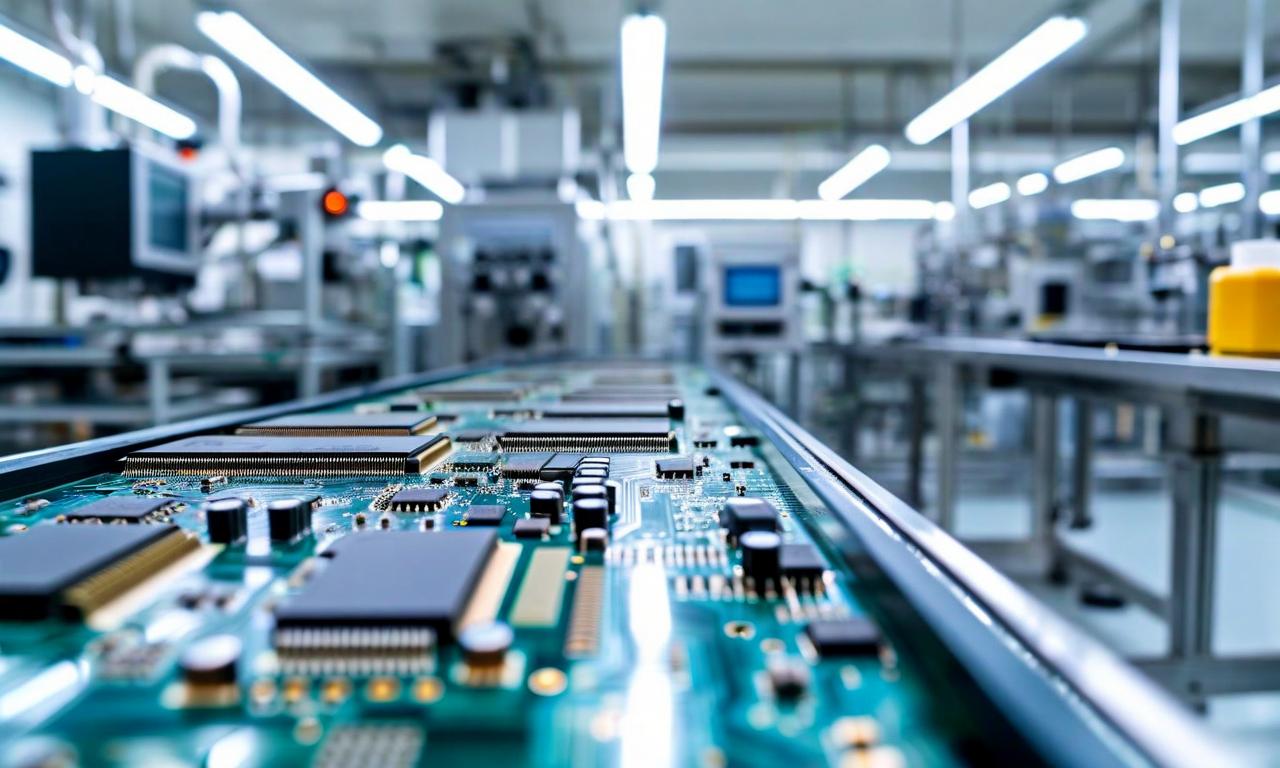
*this image is generated using AI for illustrative purposes only.

Samsung Electronics has staged a dramatic comeback, with its stock rally adding $350 billion to the company's market value since the beginning of last year. The South Korean chipmaker, once considered a latecomer to the artificial intelligence boom, is now outperforming competitors and attracting bullish analyst projections for record earnings.

Market Performance and Competitive Position

Samsung's shares have more than doubled over the past year, breaking multiple records and outpacing SK Hynix in recent performance. This marks a significant reversal after three years of underperformance against its smaller rival, which had successfully captured Nvidia as a key client during the AI rally's earlier phases.

Performance Metric Samsung Electronics SK Hynix TSMC
Earnings Growth Projection +115% +88% +16%
Market Position Leading recovery Established AI player Steady growth
Forward P/E Ratio 10x (down from 25x peak) - -

AI Chip Market Breakthrough

The company is reportedly approaching a breakthrough deal with Nvidia to supply the latest iteration of high-bandwidth memory (HBM) chips. This potential agreement represents a long-awaited development that could significantly boost Samsung's valuation and establish its presence in the premium AI chip market.

The shift toward HBM production has created supply constraints for traditional memory products, where Samsung maintains market leadership. This capacity reallocation has driven substantial price increases for legacy DRAM chips used in:

  • Personal computers
  • Smartphones
  • Conventional servers
  • Traditional computing applications

Financial Outlook and Analyst Sentiment

Samsung's earnings projections have experienced remarkable growth, with analysts raising expectations by 115% since late September. This surge in optimism significantly exceeds the projection increases seen for major competitors, reflecting renewed confidence in the company's strategic positioning.

The dramatic improvement in earnings expectations has also compressed Samsung's valuation metrics, with the forward price-to-earnings ratio declining from a peak of approximately 25 times to the current level of 10 times.

Market Risks and Considerations

Despite the positive momentum, analysts note potential vulnerabilities as the AI rally enters its fourth year. Investor sentiment could shift quickly on earnings disappointments or broader concerns about market sustainability. The company's recent outperformance has raised expectations, making it more susceptible to volatility if results fail to meet projections.

Samsung's transformation from AI laggard to potential leader demonstrates the dynamic nature of the semiconductor industry, where strategic positioning and technological advancement can rapidly reshape competitive landscapes and market valuations.

like20
dislike

Samsung Begins Galaxy S26 Mass Production Amid Pricing Challenges

2 min read     Updated on 29 Dec 2025, 10:19 AM
scanx
Reviewed by
Anirudha BScanX News Team
Overview

Samsung Electronics has started mass production of its Galaxy S26 series, targeting a February 2026 launch. The lineup will include the standard Galaxy S26, Galaxy S26 Plus, and Galaxy S26 Ultra. However, the company is grappling with pricing strategies due to cost inflation across various components including RAM, chipsets, camera modules, and displays. Samsung must balance profitability against market competitiveness, considering options like passing costs to consumers or absorbing expenses to maintain pricing parity. The use of internal Exynos chipsets could potentially lower production costs, but most Galaxy S26 variants are expected to use external chipsets.

28529338

*this image is generated using AI for illustrative purposes only.

Samsung Electronics has reportedly initiated mass production of its Galaxy S26 series, aiming for a potential February 2026 launch timeline. The flagship smartphone lineup is expected to maintain the familiar three-model structure with the standard Galaxy S26, Galaxy S26 Plus, and the premium Galaxy S26 Ultra. However, the company may face challenges in finalizing pricing strategies for these devices due to various market factors.

Potential Cost Pressures

The smartphone industry is experiencing cost inflation across multiple component categories, which could create pressure on Samsung's pricing strategy. Areas that may drive increased manufacturing expenses include:

  • RAM modules
  • Chipsets
  • Camera modules
  • Display panels
  • Labor costs
  • Marketing expenditures

These potential cost pressures could create a scenario where Samsung must balance profitability against market competitiveness.

Strategic Pricing Considerations

Samsung may face two primary options, each presenting potential risks to the company's market position and financial performance:

  1. Passing increased costs to consumers through higher retail prices, which could affect sales volumes and market share.
  2. Absorbing additional expenses to maintain pricing parity with the previous series, which could impact profit margins.

The complexity of this decision is highlighted by Samsung's approach with other devices, such as the Galaxy Z TriFold foldable device, which reportedly has different pricing considerations due to its expected sales volumes.

Exynos Strategy and Market Implications

Samsung's internal Exynos chipset development could be a component of the company's cost management strategy. Utilizing internally developed processors instead of external offerings might potentially lower production expenses and improve overall profitability margins.

However, current expectations suggest that external chipsets may power the majority of Galaxy S26 variants, which could limit Samsung's ability to achieve significant cost savings through internal chip production.

Market Outlook

Given the potential cost considerations, industry analysis suggests that Samsung might need to adjust its pricing strategy for the Galaxy S26 series. The final pricing will likely depend on Samsung's assessment of market conditions, competitive positioning, and consumer demand.

As the potential February 2026 launch approaches, more concrete information about the Galaxy S26 series' features, pricing, and availability is expected to emerge.

like16
dislike
Explore Other Articles
Power Mech Projects Subsidiary Secures ₹1,563 Crore BESS Contract from WBSEDCL 1 hour ago
Elpro International Acquires Additional Stake in Sundrop Brands for ₹39.18 Crores 2 hours ago
Transformers & Rectifiers Targets ₹8000 Crore Order Book by FY26 End 3 hours ago
Reliance Industries Schedules Board Meeting for January 16, 2026 to Approve Q3FY26 Financial Results 4 hours ago
Krishival Foods Limited Completes Rights Issue Allotment of 3.33 Lakh Partly Paid-Up Equity Shares 3 hours ago
Raymond Realty Board Approves Employee Stock Option Plan 2025 Following Demerger 3 hours ago