Russia Maintains Oil Production Target Despite OPEC+ Shortfall


Russia plans to keep oil production at 510 million tons by 2025, as announced by Deputy Prime Minister Alexander Novak. This comes despite Russia falling short of its OPEC+ production target by about 70,000 barrels in October. Novak stated that recent international sanctions have not significantly impacted Russia's oil output. The country's production goals and recent shortfall present a complex situation for the global oil market, potentially affecting supply coordination efforts and market stability.
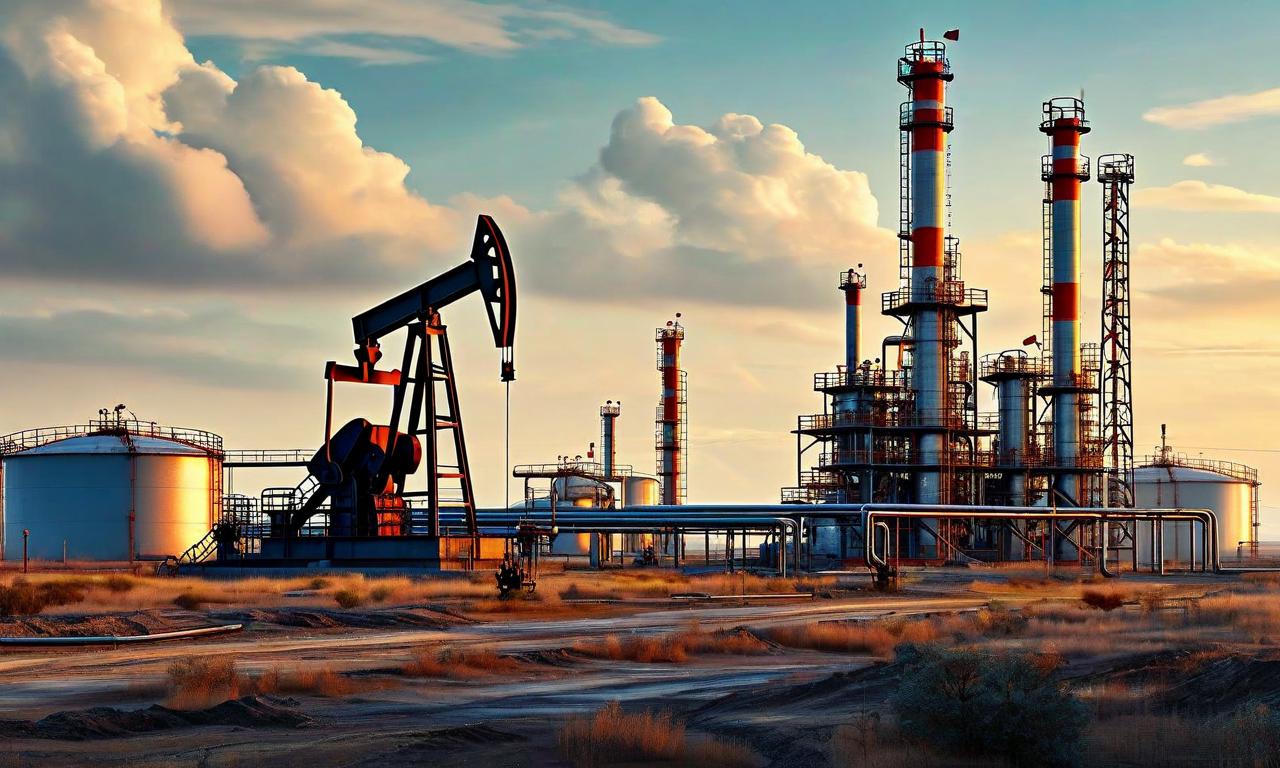
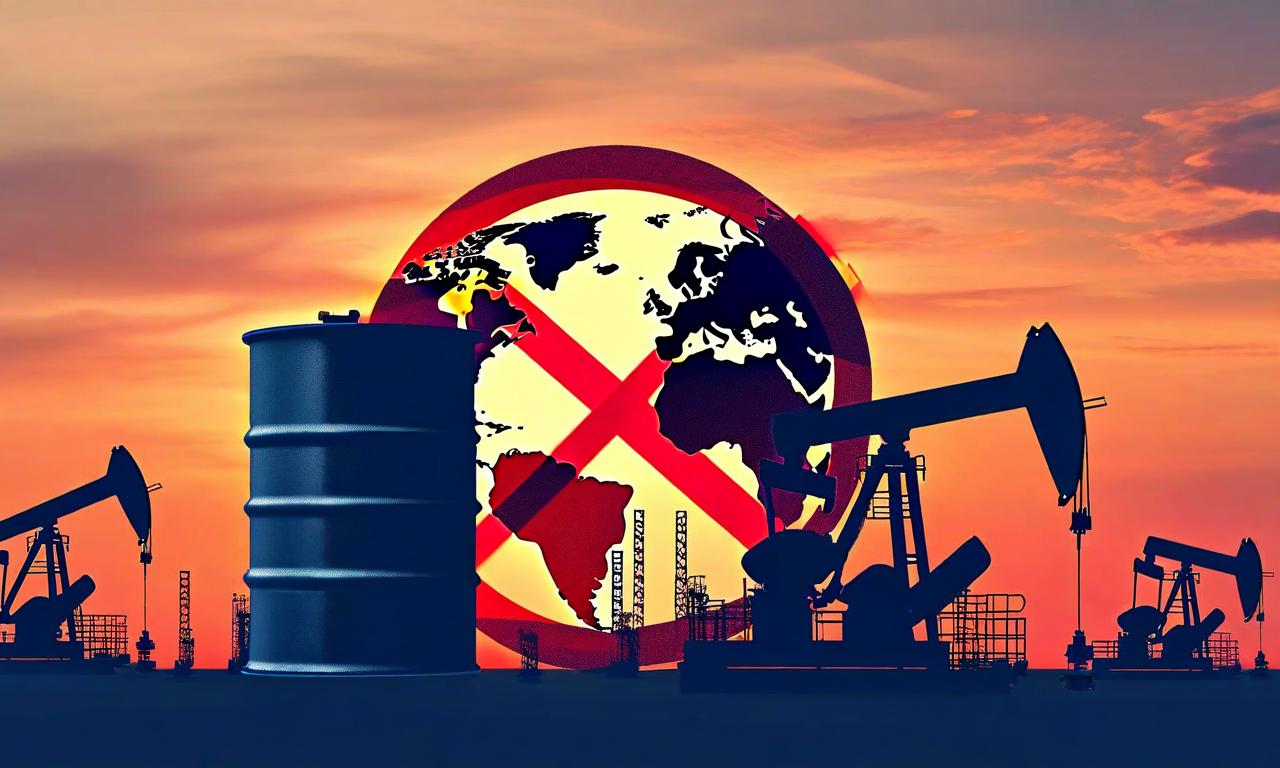
*this image is generated using AI for illustrative purposes only.
Russia has announced its intention to maintain oil production at 510 million tons by 2025, despite falling short of its OPEC+ production target in October. This development comes amid ongoing global efforts to coordinate oil supply and recent international sanctions.
Production Target Remains Steady
Deputy Prime Minister Alexander Novak stated that Russia plans to keep its oil production at 510 million tons by 2025. This announcement underscores Russia's commitment to maintaining its position in the global oil market, even as it faces various challenges.
Recent Sanctions Show Limited Impact
According to Novak, recent sanctions imposed on Russia have not significantly affected the country's oil output. This resilience in the face of international pressure highlights the robustness of Russia's oil industry and its ability to adapt to changing geopolitical circumstances.
OPEC+ Production Shortfall
Despite Russia's confident stance on future production, recent data reveals a shortfall in meeting its OPEC+ commitments:
| Metric | Value |
|---|---|
| OPEC+ Production Target Shortfall | ~70,000 |
| Month | October |
This underproduction has implications for global oil supply coordination efforts, potentially affecting market stability and price dynamics.
Implications for Global Oil Market
Russia's ability to maintain its production targets while simultaneously falling short of OPEC+ quotas presents a complex picture for the global oil market. As one of the world's largest oil producers, Russia's production levels can significantly influence global supply and pricing.
The discrepancy between Russia's stated goals and its recent production levels may lead to increased scrutiny from other OPEC+ members and market observers. It also raises questions about the effectiveness of the OPEC+ agreement in managing global oil supply in the face of geopolitical pressures and changing market dynamics.
As the situation continues to evolve, market participants will likely keep a close eye on Russia's oil production figures and its adherence to OPEC+ commitments in the coming months.
 17
17