

Nvidia CEO Jensen Huang Visits China as H200 Chips Face Customs Restrictions


Nvidia CEO Jensen Huang is visiting China for employee celebrations on 24 January, with plans extending to Beijing, Shenzhen and Taiwan. Chinese customs authorities have unexpectedly blocked H200 chip imports without explanation, surprising Nvidia as early shipments reached Hong Kong. The restrictions follow Trump's December approval for H200 exports to China after extensive lobbying. Major Chinese tech companies including Tencent, Alibaba and ByteDance are now reconsidering chip purchases, being advised to prioritise domestic alternatives over Nvidia products.

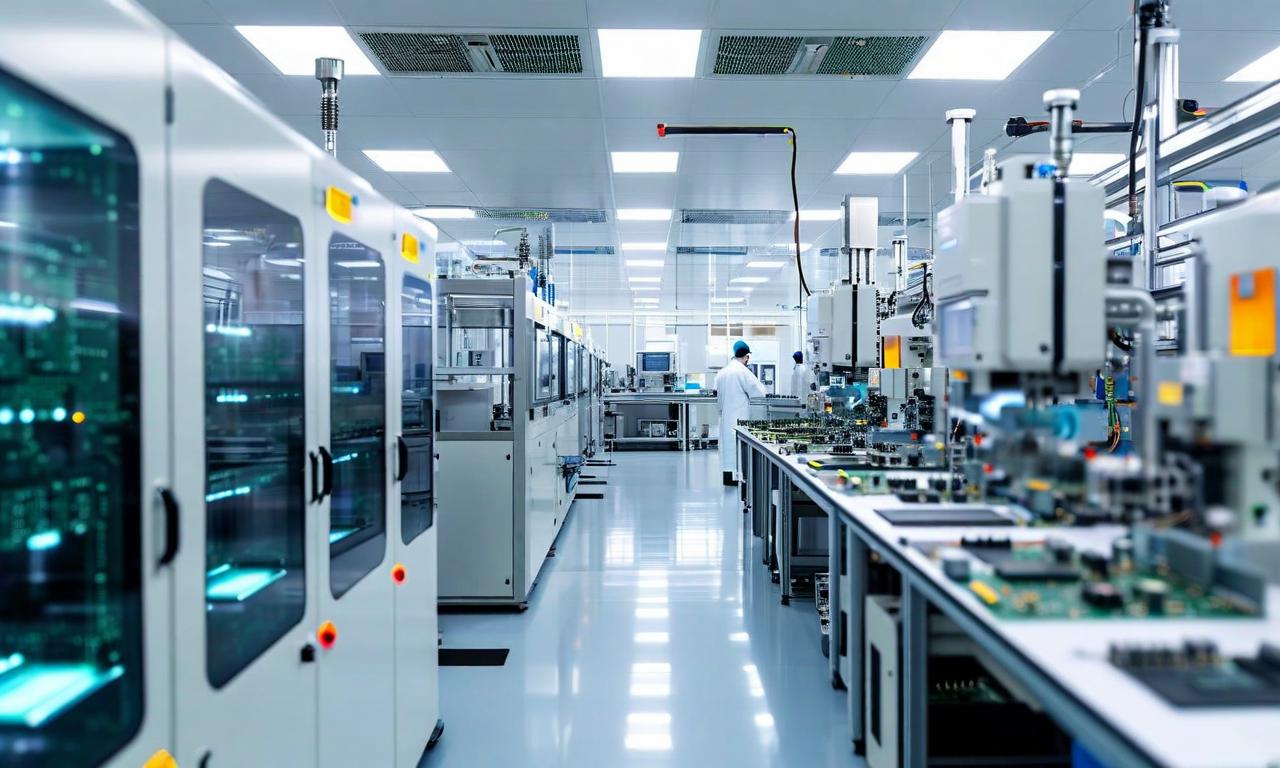

*this image is generated using AI for illustrative purposes only.
Nvidia CEO Jensen Huang is currently visiting China for annual employee celebrations, but his trip comes amid unexpected complications as Chinese customs authorities have blocked imports of the company's H200 chips without providing any explanation.
Shanghai Visit and Extended China Tour
According to Reuters, Huang arrived in Shanghai for routine annual celebrations with Nvidia employees scheduled for 24 January. However, sources indicate his trip will extend beyond Shanghai to include visits to Beijing, Shenzhen and Taiwan. This marks another significant visit by the Nvidia chief to China, following at least three trips to the country in 2025 amid ongoing US-China trade tensions.
| Trip Details: | Information |
|---|---|
| Primary Destination: | Shanghai |
| Event: | Annual employee celebrations |
| Date: | 24 January |
| Extended Locations: | Beijing, Shenzhen, Taiwan |
| Previous Meetings: | China's commerce minister (July) |
H200 Chip Import Restrictions
Chinese customs authorities informed a Shenzhen logistics company last week that Nvidia's H200 chips are not permitted entry into the country. The restrictions caught Nvidia by surprise, particularly as early shipments had already arrived in Hong Kong during the week. Sources told the Financial Times that no reason was provided for the block, and there is no indication whether this represents a temporary measure or a permanent ban.
The timing of these restrictions is particularly notable given recent developments in US-China chip trade relations. In December, Donald Trump had allowed the Santa Clara, California-based company to export H200 chips to Chinese markets, a decision that came after months of lobbying efforts by Huang with both the Trump administration and Chinese officials.
Impact on Chinese Tech Giants
The customs restrictions are creating ripple effects across China's technology sector. Domestic tech companies have reportedly been warned against purchasing Nvidia chips and advised to prioritise domestic alternatives instead. This guidance is influencing purchasing decisions at major Chinese technology companies.
| Company Response: | Strategy |
|---|---|
| Tencent: | Debating limited H200 purchases |
| Alibaba: | Considering restricted procurement |
| ByteDance: | Evaluating selective chip buying |
| Focus Areas: | High-performance projects requiring easier maintenance |
These companies are now considering limiting H200 chip purchases to only those projects that specifically require higher performance capabilities and easier maintenance, rather than broader deployment across their operations.
Ongoing US-China Chip Tensions
The current situation reflects the complex dynamics of US-China technology trade relations. Throughout 2025, Huang has maintained active engagement with Chinese markets despite broader restrictions on US chip exports to China. His previous meetings included discussions with China's commerce minister in July, demonstrating the ongoing importance of diplomatic engagement in the semiconductor sector.
The uncertainty surrounding the H200 chip restrictions highlights the challenges facing international technology companies operating across geopolitical boundaries, where trade policies can shift rapidly and impact established business relationships.
 16
16






 Access Market Heat-map & Insights
  Create, Save & Share your Screener
  Use 200+ Screening Filters





