

Nvidia CEO Jensen Huang Predicts Trillions in AI Infrastructure Investment at Davos


Nvidia CEO Jensen Huang told the World Economic Forum in Davos that AI infrastructure development requires trillions more dollars in investment across energy, cloud computing, and electronics sectors. While dismissing AI bubble concerns, Huang emphasized that large investments are necessary for foundational infrastructure, with current spending of hundreds of billions representing just the beginning of the largest buildout in human history.

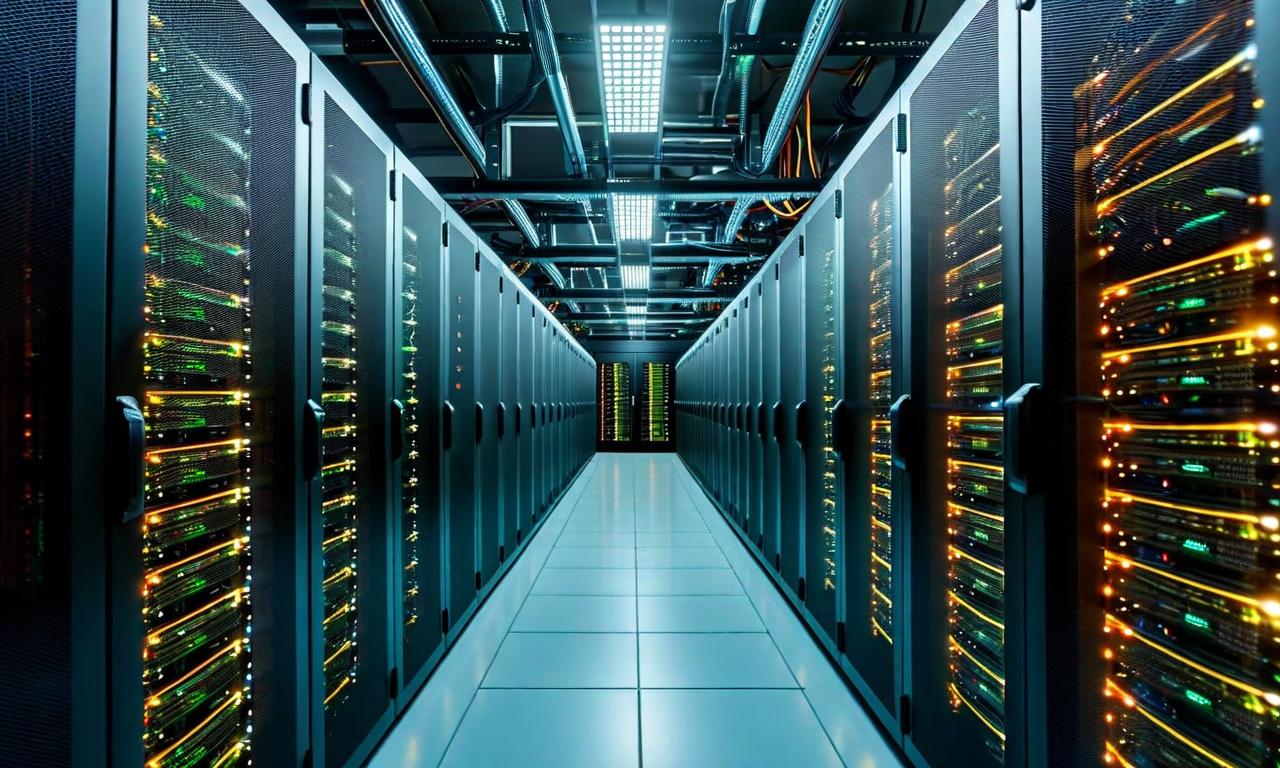

*this image is generated using AI for illustrative purposes only.
Nvidia CEO Jensen Huang delivered a bullish outlook on artificial intelligence investment at the World Economic Forum in Davos, declaring that the AI infrastructure buildout represents the largest in human history. Speaking at the prestigious gathering, Huang emphasized that while significant capital has already been deployed, the industry requires trillions more in investment to support the growing AI ecosystem.
Massive Infrastructure Investment Requirements
Huang outlined the scale of investment needed to support AI development and deployment across multiple sectors:
| Investment Area | Current Status | Future Requirements |
|---|---|---|
| Total Investment | Few hundred billion dollars | Trillions of dollars needed |
| Key Sectors | Energy, cloud computing, electronics | Continued expansion required |
| Infrastructure Type | Data centers, processing units | Large-scale buildout necessary |
The Nvidia chief explained that today's AI boom "has started the largest infrastructure buildout in human history," with current investments representing only the beginning of a much larger capital deployment cycle.
Nvidia's Market Position and GPU Dominance
Nvidia has established itself as the dominant force in AI processor markets, particularly through its graphics processing units originally developed for 3D gaming. The company's market capitalization reached over $5.00 trillion in October, though it has since declined by more than $600.00 billion. Large language model developers, including OpenAI, have directed substantial portions of their funding toward Nvidia's products as they rush to build GPU-equipped data centers.
Addressing AI Bubble Concerns
Huang directly confronted warnings from market observers about potential AI investment bubbles. He argued that the substantial investment levels are justified by infrastructure requirements rather than speculative excess. "The AI bubble comes about because the investments are large. And the investments are large because we have to build the infrastructure necessary for all of the layers of AI above it," Huang stated, describing the opportunity as "really quite extraordinary."
Employment Impact and Industry Perspectives
Regarding concerns about AI's impact on employment, Huang suggested the technology would create new forms of work rather than eliminate jobs wholesale. This perspective contrasts with Microsoft CEO Satya Nadella's more cautious approach, who emphasized the need for widespread AI adoption to prevent industry crashes. Nadella noted that avoiding a bubble "requires that the benefits of this are much more evenly spread" while expressing confidence in AI's potential for global economic growth.
Market Context and Future Outlook
The discussions at Davos highlighted the ongoing debate about AI investment sustainability and economic impact. While Huang maintains an optimistic stance on continued infrastructure spending, industry leaders acknowledge the need for broad-based adoption and benefit distribution to justify current investment levels. The AI sector continues to attract massive capital flows as companies position themselves for anticipated demand growth in AI services and applications.
 18
18






 Create Custom Screeners
  Access 200+ Pre-built Filters
  Use 50+ Readymade Screener





